

Carole Lin, MD, Clinical Associate Professor, Pediatric Anesthesia, Stanford
Dr. Carole Lin is a pediatric regional anesthesiologist and Director of Sustainability for the Division of Pediatric Anesthesiology at Stanford Medicine Children’s Health. She’s also the co-founder of AWISH (Addressing World Inequity through Sustainable Healthcare), a program that redirects unused operating-room supplies to hospitals that need them — including ReSurge’s partner sites. In this conversation, she talks about what drew her to anesthesiology, how AWISH grew out of a simple observation about OR waste, and what she’s learned from co-hosting ReSurge’s educational lecture series for anesthesia providers in Sub-Saharan Africa.
I’m a pediatric regional anesthesiologist at Stanford Medicine Children’s Health, Lucile Packard Children’s Hospital, where I serve as Clinical Associate Professor and Director of Sustainability for the Division of Pediatric Anesthesiology. My work has grown to encompass not only safe, high-quality perioperative care but also the broader systemic factors shaping healthcare, particularly sustainability, education, and global health equity.
I’ve taken on leadership roles across several professional societies, including Chair of the Sustainability Committee for the California Society of Anesthesiologists and a member of the American Society of Anesthesiologists’ Committee on Environmental Health. A cornerstone of this work has been founding AWISH, which focuses on reducing perioperative waste while redirecting usable resources to underserved regions.
I am also proud to co-host the CANECSA / ReSurge International Lecture Series alongside Dora Rusin-Gomez and George Gregory, a platform dedicated to building a global educational community that connects clinicians across diverse settings.

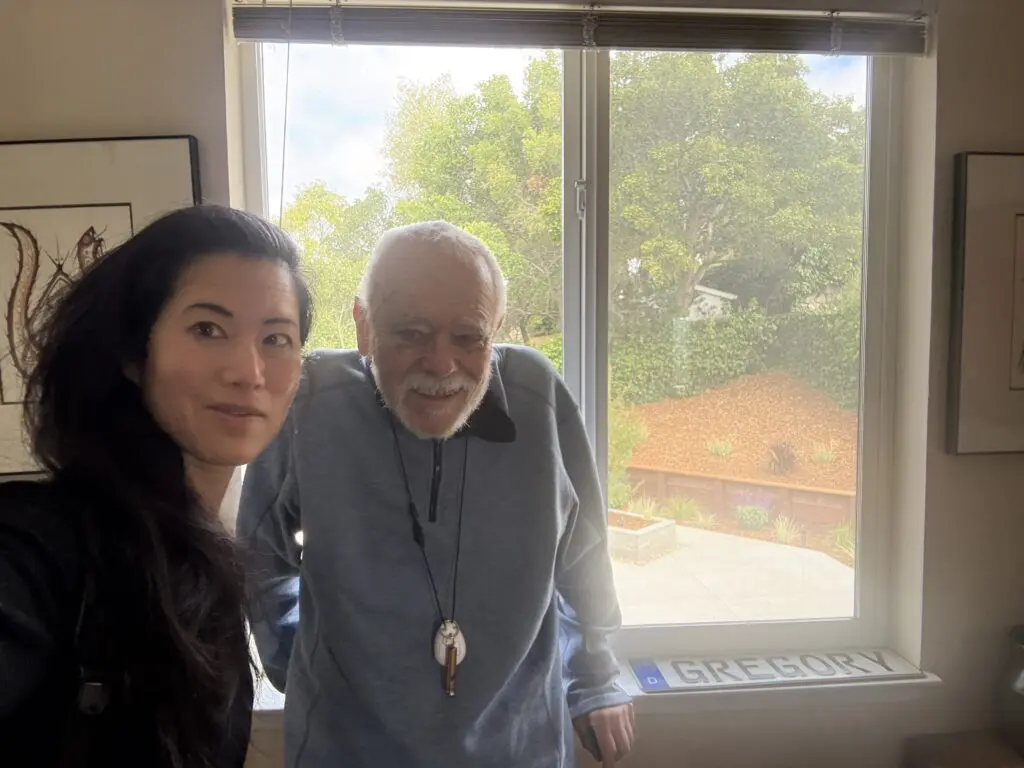
Can you start by sharing a bit about yourself and your background, and why you chose to become an anesthesiologist?
My journey into anesthesiology is both deeply personal and professionally driven. My father was an anesthesiologist, so I grew up with an early understanding of the field and a respect for the critical role anesthesiologists play in patient care. But what truly shaped my path was my own experience as a child.
When I was nine years old, I underwent major, life-saving surgery, an experience that instilled in me a deep faith not only in medicine and science, but in the possibility that the right care, at the right moment, can completely transform a child’s life. I went from living with a serious medical condition to having the opportunity for a healthy future, and that journey stayed with me.
Pediatric anesthesiology, in particular, resonated deeply with me. Caring for children carries a profound responsibility not only to the patient but also to their families, who place immense trust in you. There is something incredibly meaningful about guiding a child safely through surgery and being part of that turning point in their health journey.
Over time, I also came to appreciate the broader systems perspective that anesthesiology offers. We are present in nearly every surgical case, which positions us to influence not only individual patient outcomes but also safety culture, operational efficiency, and sustainability in healthcare.
Today, my work brings together that personal origin story and a broader systems-level vision, combining clinical care, education, and innovation to improve outcomes for children locally and globally.
What interested you in ReSurge International, and how did you become involved in volunteer work at ReSurge?
My involvement with ReSurge International grew out of a broader interest in global health equity and sustainable healthcare delivery. Through AWISH, we began to see how much usable medical supplies are discarded in high-resource settings while critical shortages exist elsewhere.
ReSurge provided an opportunity to connect that gap — linking clinical expertise, education, and resource redistribution. I also became involved in the educational side through the CANECSA / ReSurge International Lecture Series, where I serve as a co-host with Dora Rusin-Gomez and George Gregory. This platform allows us to bring together clinicians from around the world to share knowledge, build capacity, and foster long-term collaboration.
What has been one of your most rewarding moments while volunteering with ReSurge?
One of the most rewarding aspects has been seeing the direct impact of systems we’ve built, whether it’s donated supplies being used in surgeries abroad or educational initiatives empowering local providers.
But beyond individual moments, what stands out most is the sense of partnership. This is not one-directional aid but collaboration. Working alongside local teams, learning from them, and building sustainable systems together has been incredibly meaningful.
What are some of the greatest opportunities you’ve encountered while volunteering with ReSurge?
One of the greatest opportunities through ReSurge has been rethinking how we approach global healthcare, not just through direct care, but through systems innovation. I’ve come to see that the global supply gap is often not about scarcity, but about distribution.
Through my work with AWISH and ReSurge, we are developing research on innovative ways to strengthen the global donation supply chain, including the use of plasma sterilization to safely reprocess and redistribute medical equipment. This has the potential to create a more sustainable, scalable model that expands access to essential surgical supplies while reducing waste.
Another meaningful opportunity has been education. Through the CANECSA / ReSurge International Lecture Series, we are building a global learning community where knowledge flows in all directions.
Together, these efforts highlight a powerful idea: that sustainability, innovation, and global health equity are deeply connected, and that by aligning them, we can create lasting impact.
How do you collaborate with other medical professionals, both local and international, when working on a ReSurge project?
For me, collaboration always starts with listening. Every hospital and team is different, so it’s important to understand their needs, challenges, and what’s already working well before trying to offer solutions.
From there, we work together to find approaches that make sense for that specific setting. This usually involves a wide range of people, like surgeons, anesthesiologists, nurses, and support staff, because everyone plays an important role in patient care.
Staying connected is also key. We continue conversations beyond trips or projects through virtual meetings and educational programs, which help build stronger relationships over time.
Ultimately, the goal is not just to show up and help in the moment, but to build lasting partnerships where we can learn from each other and create sustainable improvements together.
Do you have any advice for healthcare professionals who are thinking of volunteering with organizations like ReSurge?

My advice is to approach this work with humility and a mindset of partnership. Go in ready to learn as much as you contribute.
It’s also important to think about sustainability, both environmental and programmatic. Ask yourself how your efforts can create lasting impact rather than short-term solutions.
Finally, find ways to align your unique skills with the needs of the organization. Whether it’s clinical care, education, research, or systems improvement, there are many ways to contribute meaningfully. (Anesthesiologists and nurses interested in volunteering with ReSurge can find current openings and trip schedules on our site.)
How do you see the future of volunteer healthcare work evolving, especially when confronted with global challenges like healthcare access and inequality?
I see the future of volunteer healthcare moving toward something more intentional, more connected, and more sustainable. It’s no longer just about short-term missions but about building long-term partnerships, investing in education, and creating systems that last.
We have an opportunity to use technology to stay connected, to share knowledge more broadly, and to support one another across borders. At the same time, we have to be thoughtful about how we use resources and align our work with sustainability so that we’re not only expanding access to care, but doing so responsibly.
Programs like AWISH and collaborations through ReSurge are early examples of what this can look like, where innovation, education, and global partnership come together to create meaningful change.
Ultimately, this work is about the connection between people, systems, and ideas. And I truly believe that through those connections, we can build a more equitable and sustainable future for healthcare.
If there’s one takeaway, it’s this: there is a role for all of us. Whether through clinical care, education, research, or systems improvement, each of us has the ability to contribute to this global effort. The question is not whether change is possible, but how we choose to be part of it.