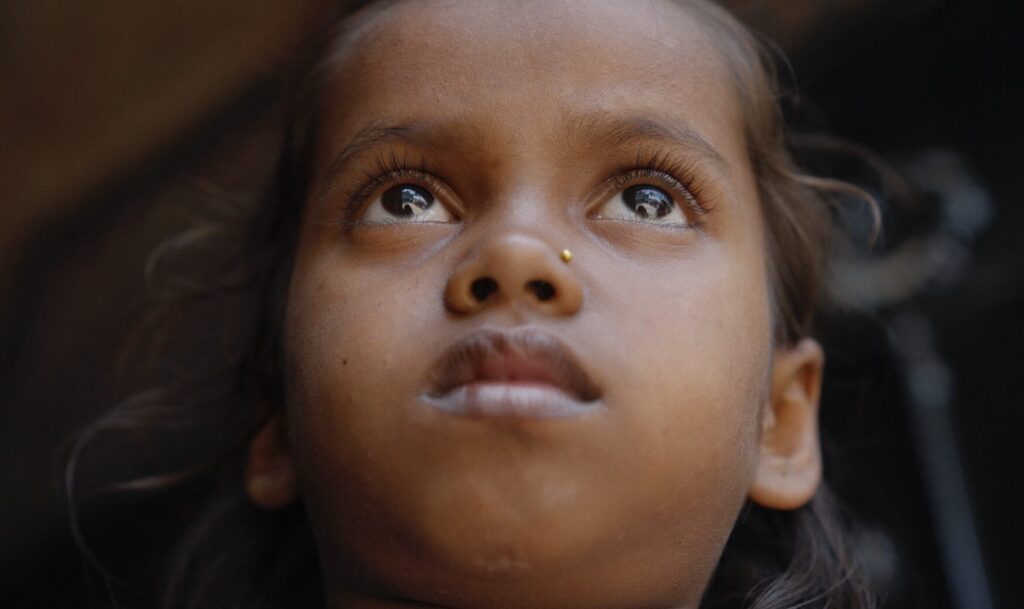
Sima was seven years old when it happened. Her family was celebrating the holidays, and the oil lamps were lit. Then her clothes caught fire.
“She ran to us saying, ‘I am dying, save me, God,'” her father remembers. “The fire spread through her body. We were right there, but we did not know what to do.”
Sima is the oldest of four children: three daughters and a son. Her father has always wanted one thing for her. “I want a good future for my daughter,” he says.
Turned Away, Then Left Waiting
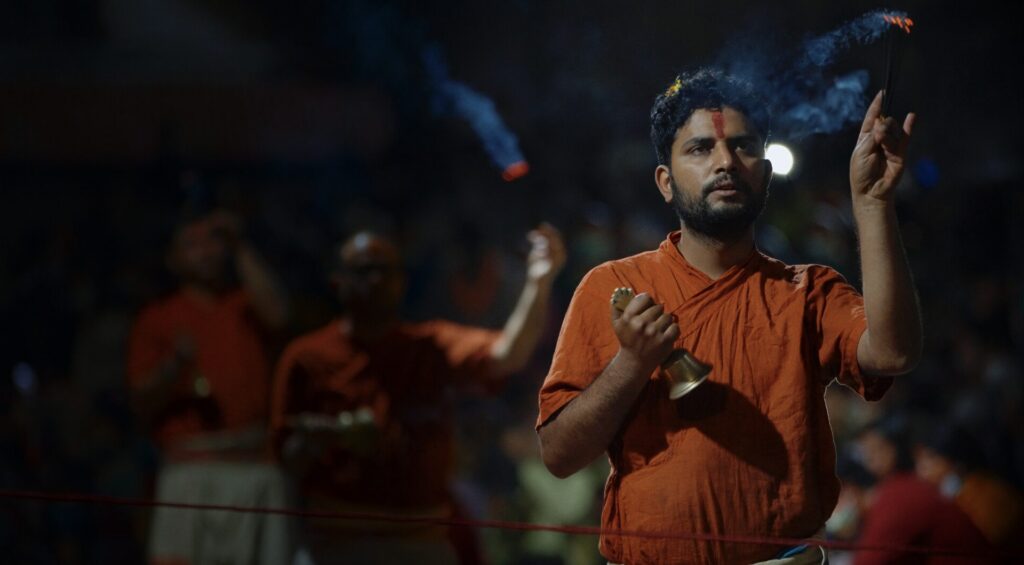
The fire came during the COVID-19 lockdown. When her family rushed her for help, the hospital would not admit her. Sima survived, but without proper burn care, her wounds healed badly.
“I was crying. So was my heart,” her father says. “I prayed to the Almighty. There was nothing else I could do.”
The family tried local remedies, but nothing helped. As Sima grew, the scars on her shoulder tightened into what doctors call a post-burn contracture. Burn scars shrink as they heal, and when a scar crosses a joint, it locks that joint in place.
Sima could not raise her arm, and she lived with constant pain. School became a struggle. Gripping a pencil for long was hard. Every year, as she grew, the scar pulled tighter and took a little more of her movement away.
A Surgeon Who Knows Where She Comes From
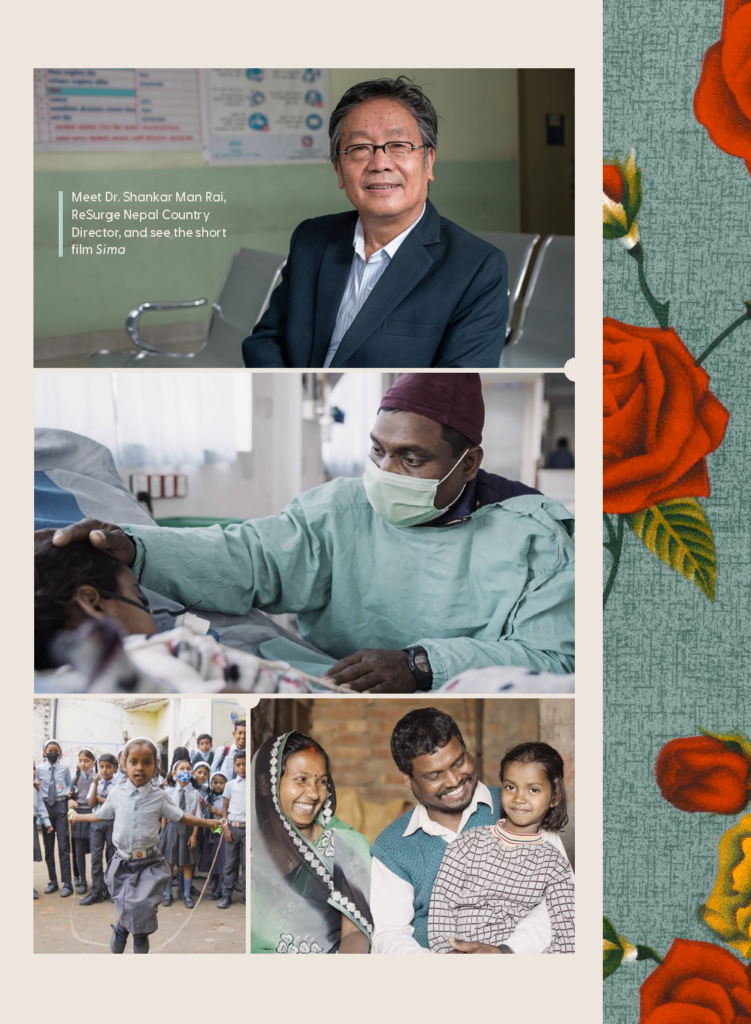
Sima’s story is far from rare. “On average in Nepal, people wait 18 years from the time of the injury to the time of reconstructive surgery,” says Dr. Shankar Man Rai, ReSurge International’s Country Director and surgical partner in Nepal. “The majority of people living in remote areas do not have access to these services.”
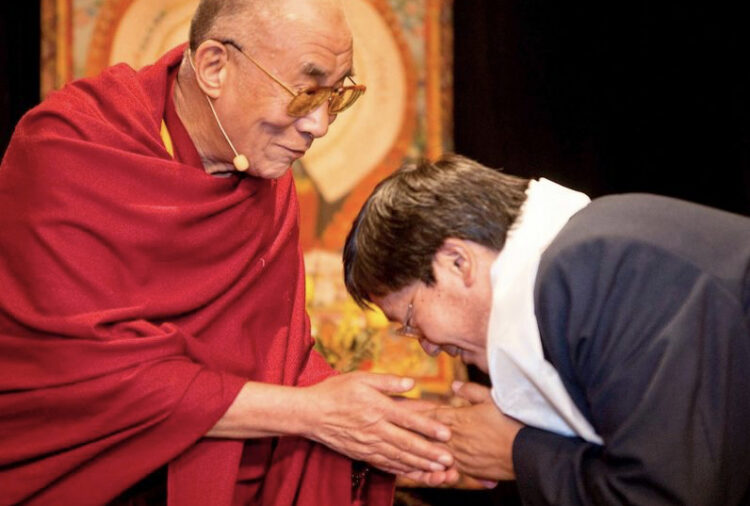
Dr. Rai understands that better than most. He grew up in a remote village near Everest, where his family grew almost everything they needed. His father taught him to help people in need and made sure he got an education, which was rare for children from the villages. He went on to train in the United States, then came home to found Nepal’s first plastic and reconstructive surgery residency program. He has helped transform more than 23,000 lives, and he was honored by the Dalai Lama with the Unsung Heroes of Compassion Award.
“Coming from a village, I knew that many people cannot make it all the way to Kathmandu,” Dr. Rai says, “even if the surgery is provided free.” So his team goes to them. They travel to rural areas to find patients like Sima and bring them to the Nepal Cleft and Burn Center at Kirtipur Hospital for care, free of cost.
Word of the center reached Sima’s family. Someone told her father: “She is not going to survive unless you take her to the Nepal Cleft and Burn Center in Kathmandu.”
Surgery, and a Slow Return
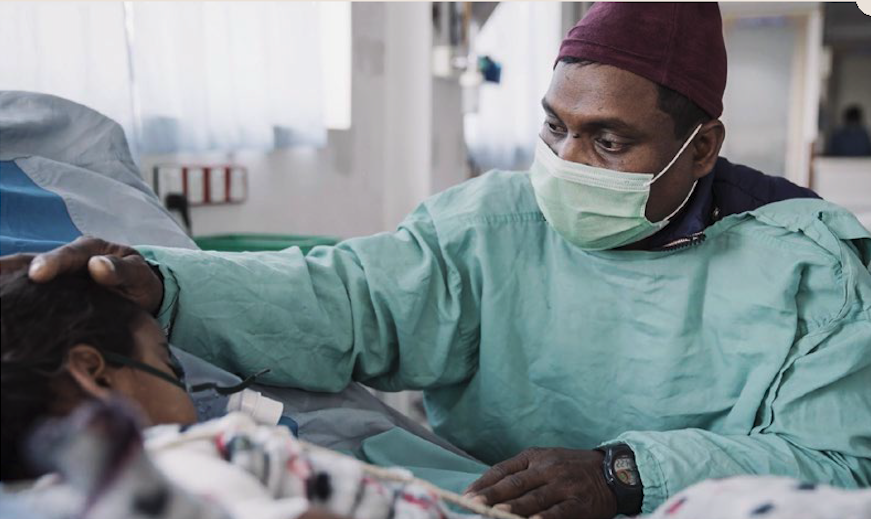
At Kirtipur, Dr. Rai and his Nepali team performed surgery to release Sima’s contracture. It was a success. Afterward, Sima learned physical therapy exercises to stretch and strengthen her arm, and she practiced them so the scar would not pull tight again.
For the team, moments like these are the reason they do the work. “When I see the smile on their faces, that gives me energy,” says one member of Dr. Rai’s team.
Dr. Rai, an avid gardener, sees patient care much like tending his plants. “If you take care of them, they will flower, they will blossom, they will bear fruit,” he says. “It’s basically the same. If you take care of your patients better, they will do better.”
Sima Today

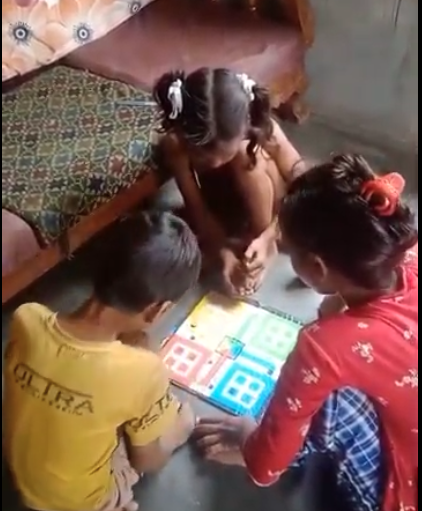
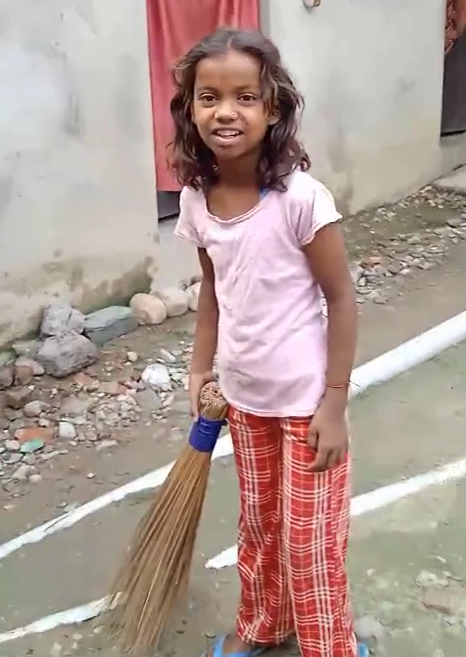
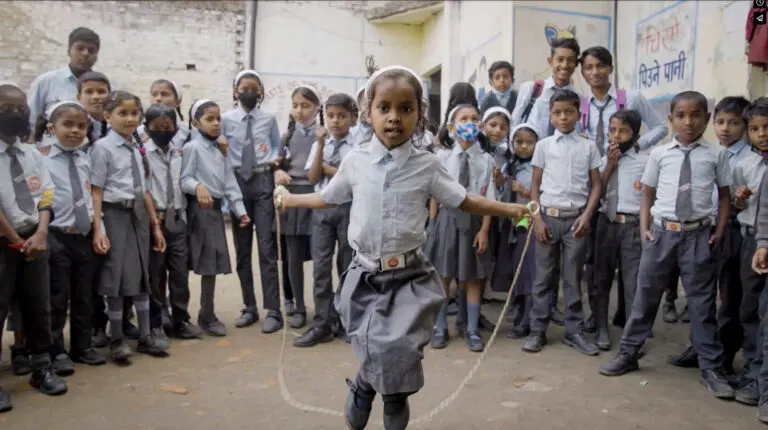
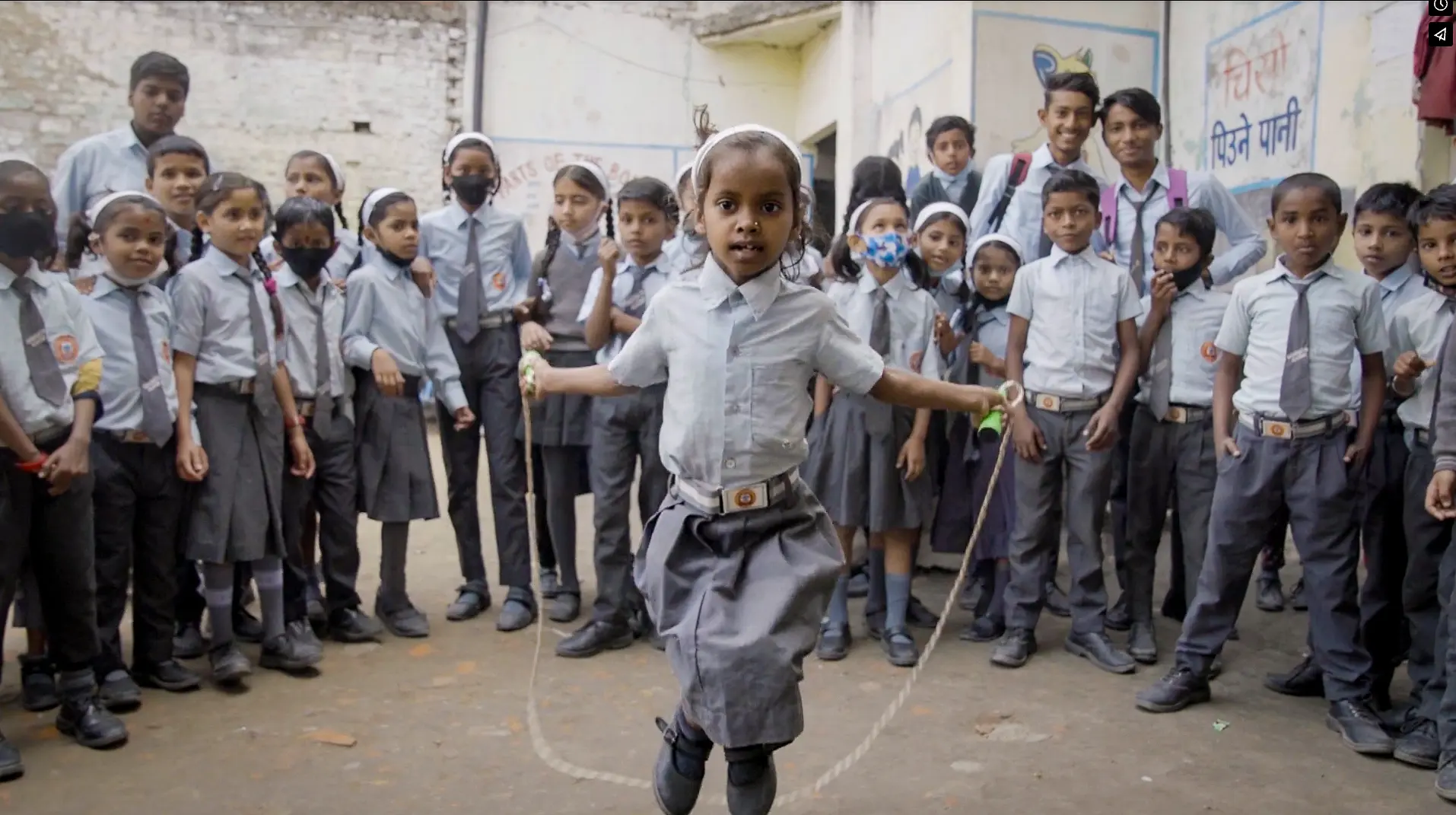
Today, Sima is 11. She can wave her arms, write her lessons, and do everything any child can do. She goes to school like the other kids, she loves spicy food, and she likes to play Parcheesi with her brothers and sisters. Every morning, her father still kneels to tie her school shoes before walking her to class.
Sima’s family did everything they could. What they needed was a surgeon close to home who could give her back her movement. Because ReSurge has spent decades training and supporting local surgeons like Dr. Rai, that surgeon was there when she needed him.
Watch Sima’s Story
Sima’s journey is the subject of SIMA, a short documentary by ReSurge International. Follow Sima, her family, and Dr. Rai from her village to the operating room and back home. Watch the trailer and learn more on the SIMA page.