Part 1: A Series of Stories on Access, Equity, and Dignity in Breast Cancer Care
Abeba’s tumor was caught. She had surgery. She was told she was lucky.
And in many ways, she was. In a country where breast cancer survival rates hover around 40%, making it through treatment at all is not something to take for granted. But when Abeba walked out of the hospital after her double mastectomy, no one mentioned what came next –not because it wasn’t possible, but because, until very recently, it wasn’t available. Breast reconstruction was simply not on the menu.
Survival Is Not the Whole Story
For many women, a mastectomy is the beginning of a second, quieter struggle. The physical loss is profound — but so is what it takes from a sense of self. Depression, withdrawn confidence, the feeling of inhabiting a body that no longer feels familiar. These are not minor side effects. They are part of the diagnosis, and they deserve to be part of the treatment.
In the United States, the Women’s Health and Cancer Rights Act of 1998 recognized this. It required insurance carriers to cover reconstruction for any woman who received a mastectomy. The law was built on a simple premise: that a woman’s body image, confidence, and dignity are not luxuries. They are part of her health.
In Ethiopia, and across much of sub-Saharan Africa, that premise has yet to be embedded into cancer care — not for lack of compassion, but for lack of trained surgeons, infrastructure, and systems that make complex reconstructive procedures possible.
A First in Ethiopia
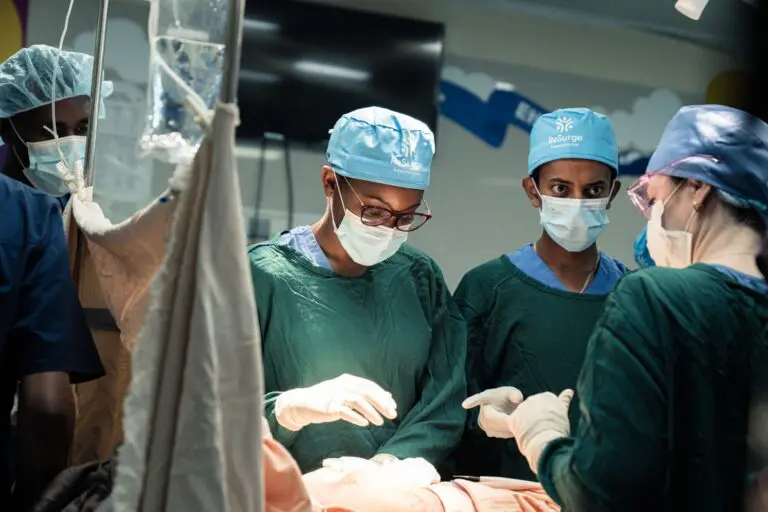
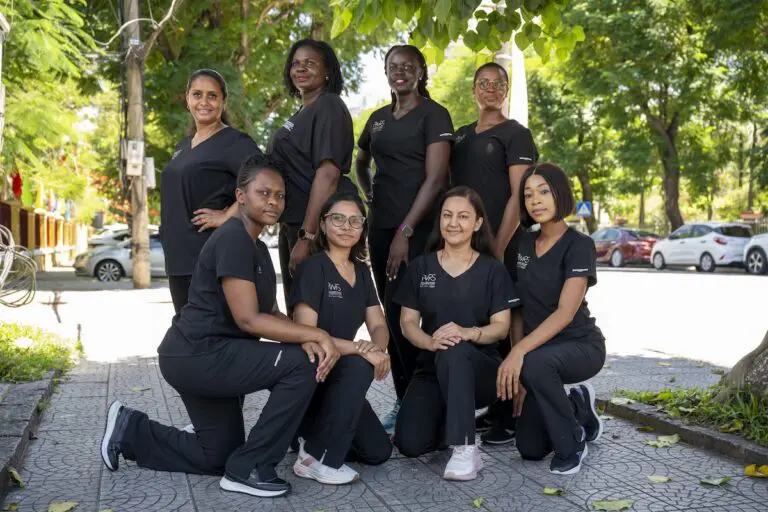
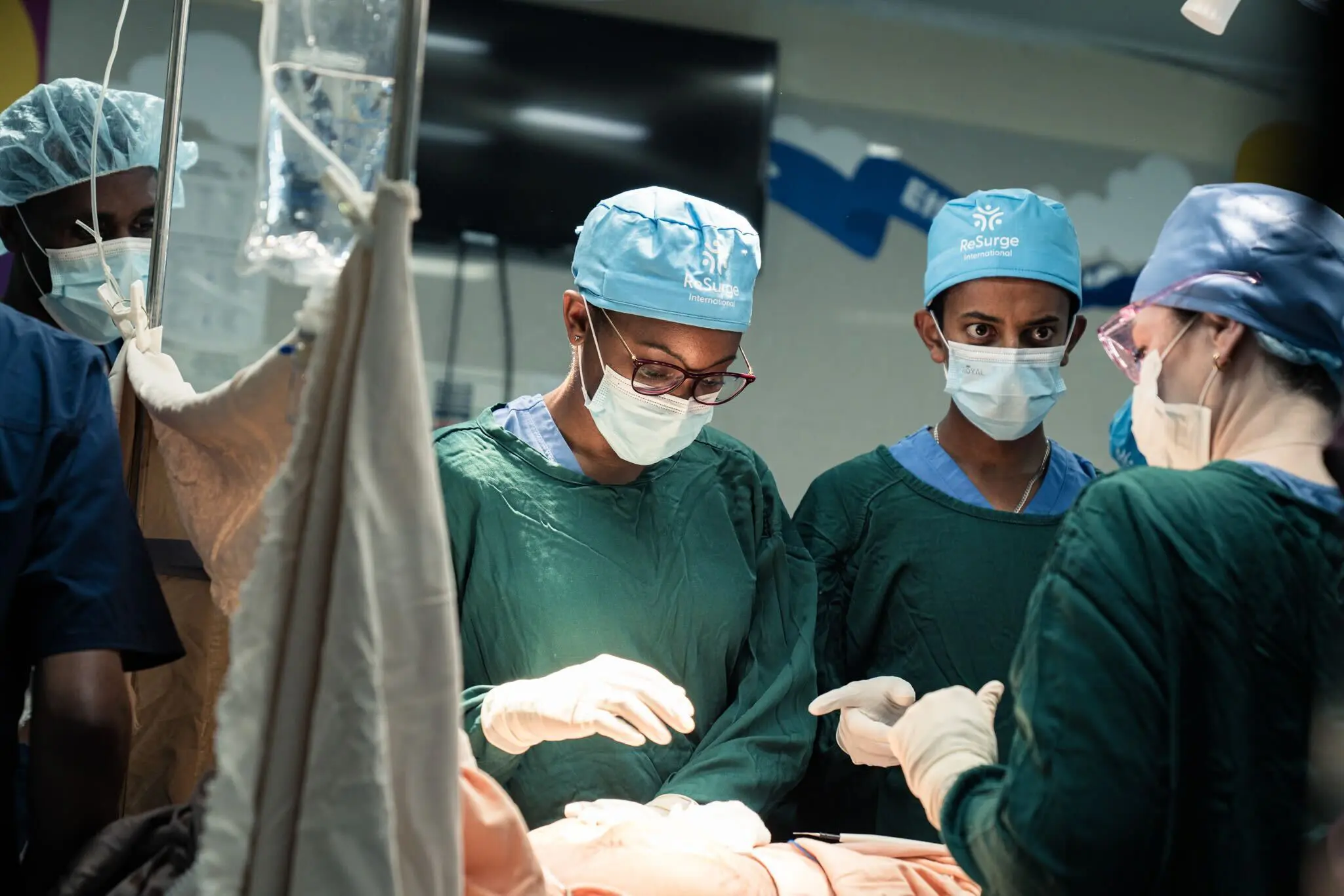
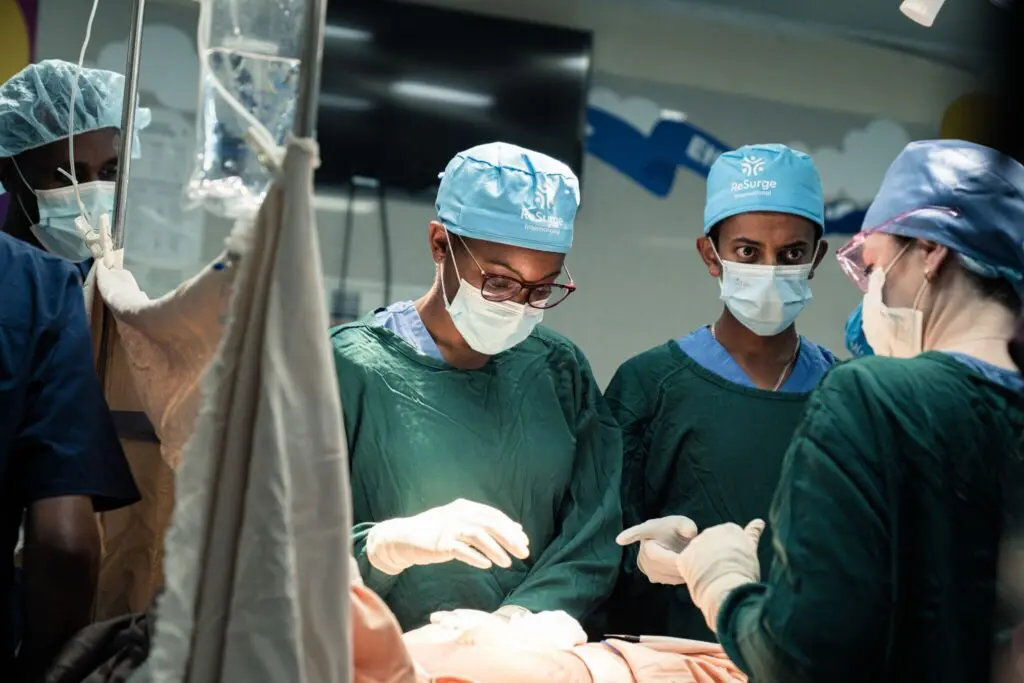
That is starting to change. ALERT Hospital in Addis Ababa — home to one of the largest plastic and reconstructive training programs in the region — is now building the capacity to offer breast reconstruction. Dr. Hellina Legesse Mamo, a reconstructive surgeon and member of ReSurge International’s Pioneering Women in Reconstructive Surgery (PWRS) program, is helping lead that effort.
When Abeba learned reconstruction was an option, she came forward. She became the first patient at ALERT Hospital — and possibly the first patient in Ethiopia — to undergo autologous breast reconstruction, a procedure that rebuilds the breast using the patient’s own living tissue. The surgery avoids implants entirely and creates a natural, lasting result.
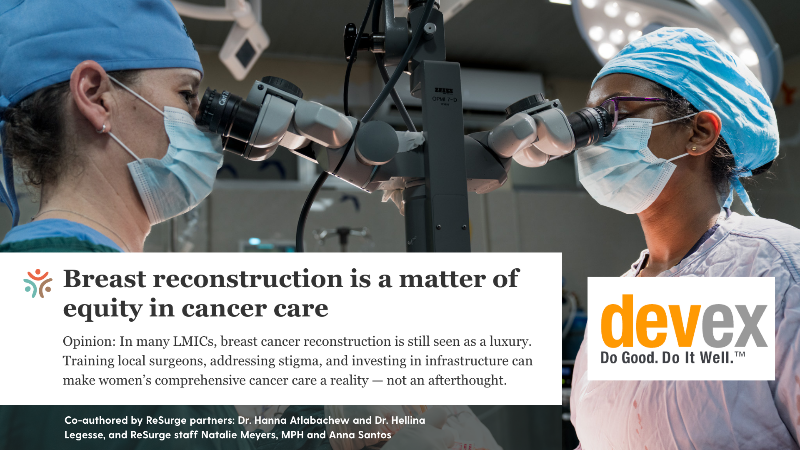
“I co-authored a piece arguing that reconstruction is a matter of equity in cancer care. Vietnam’s model could become Africa’s future. That’s not a distant hope. It’s already starting.” — Dr. Hellina Legesse Mamo, ALERT Hospital, Addis Ababa
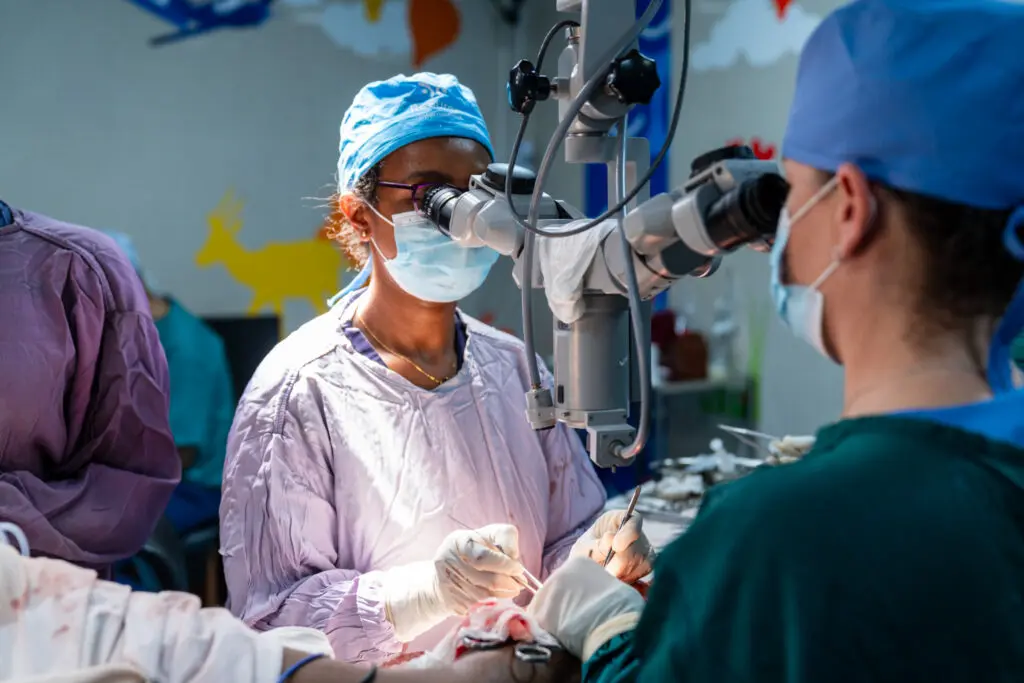
Dr. Hellina trained alongside ReSurge volunteer surgeons — including Dr. Suzanne Inchauste from the University of Wisconsin-Madison — to develop the microsurgery skills this procedure demands. For Abeba, that investment meant the difference between surviving cancer and reclaiming her life.
What Needs to Change
Abeba’s story is one of possibility. But it is also a reminder of how much still needs to happen before that possibility is within reach for every woman.
In Uganda, one reconstructive surgeon serves 3 million people. Across sub-Saharan Africa, the specialists trained to perform breast reconstruction can be counted on two hands. The equipment is expensive, the supply chains for microsutures and implants are thin, and operating room time is at a premium. And most women — 74% of Ethiopia’s population live in rural areas — don’t even know reconstruction is something they could ask for.
ReSurge is working to change that: training local surgeons in-country, building perioperative teams, and connecting women with survivor networks that spread the word that care is available. Abeba’s surgery wasn’t just a medical milestone. It was a proof of concept — one that opens the door for every woman who comes after her.
Disclaimer: To protect the patient Abeba’s anonymity, no photos of her were used in this article.