
Why Reconstructive Surgery?
30% of the global burden of disease is due to surgical conditions — three times more than Malaria, TB, and HIV/AIDS combined. Additionally, 17 million people die annually due to surgically treatable conditions, and millions more experience a lower quality of life from preventable disabilities. By partnering with promising reconstructive surgeons in low-income countries, we open the door to change lives and build a brighter future for all.
Training one surgeon creates a substantial ripple effect that can change the world. Just one surgeon can treat 10,000 patients in their career and if they become a trainer themselves, they have the potential to transform over 400,000 lives over their lifetime. This is the multiplier effect in action!
What is Reconstructive Surgery?
Reconstructive surgery restores normal function from an accident or trauma, a congenital condition, or cancer. Traffic accidents, burns, missing digits, cleft palates, and cancer reconstruction are all common conditions reconstructive surgeons treat.
At ReSurge, we are one of the few organizations to provide the full scope of reconstructive surgical care for those in low-income communities. We provide free treatment to the patient and build local surgical capacity for long-term solutions.

Reconstructive Surgery and Poverty
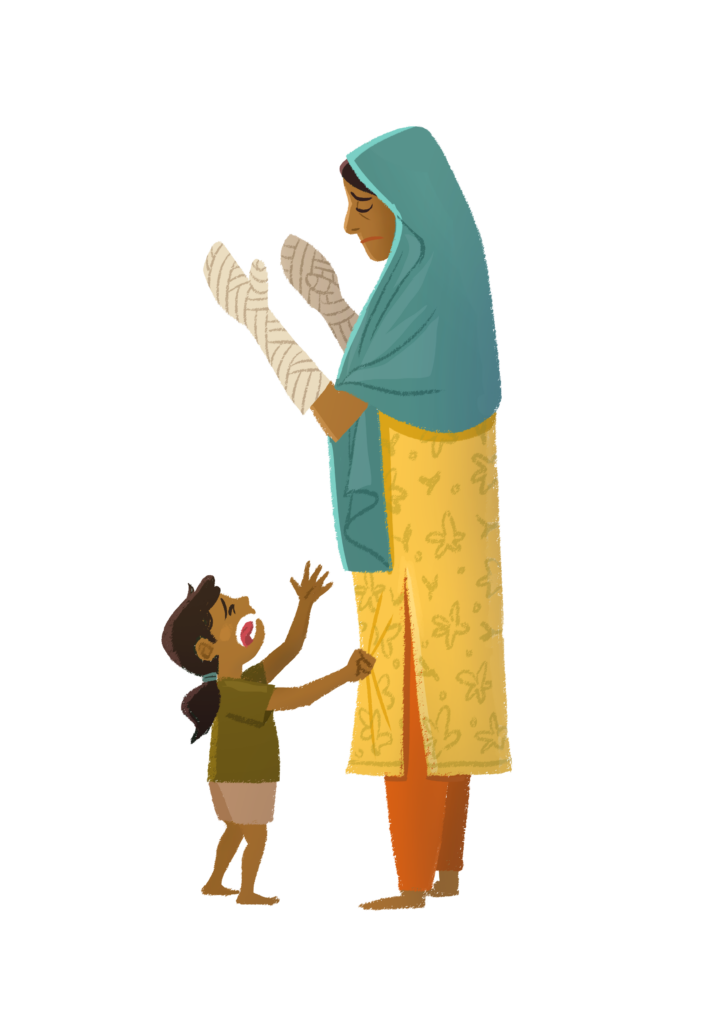
The gap in access to surgical care results from several shortcomings. Traumas like burns or traffic accidents from poor conditions, disasters, or war are higher in low-income countries.
There is also a shortage of reconstructive surgeons globally. To put this into perspective, the U.S. has 1 reconstructive surgeon per 50,000 people, while Sub-Saharan Africa only has 1 reconstructive surgeon per 10,000,000 people. It is well-proven that universal access to surgical care alleviates poverty and suffering and contributes to the sustainable development goals.
Not only does access to free and safe reconstructive surgery transform lives; it transforms global economies. One surgery can mean that a child or an adult in a low-income country can go to school, get a job and contribute to their family and community.
96%
Of fatal fire-related burns occur in low-income countries
3x
More than malaria, tuberculosis, and HIV/AIDS combined
Every 2 Seconds
Someone dies as a result of an untreated surgical condition
17 Million
People die each year due to surgically treatable conditions
People do not have access to safe, timely, and affordable surgical care
FAQs
Reconstructive surgery restores normal function and appearance after burns, traumatic injuries, congenital conditions, or cancer. Unlike cosmetic surgery, it is medically necessary — enabling patients to walk, work, eat, speak, and live independently.
Surgically treatable conditions kill more people globally than tuberculosis, malaria, and HIV/AIDS combined. In low-income countries, burns, road traffic accidents, cleft lips and palates, and other conditions often go untreated for years — or lifetimes — due to a severe shortage of trained surgeons and unaffordable costs.
An estimated 5 billion people worldwide do not have access to safe, timely, and affordable surgical care. In Sub-Saharan Africa, 93% of the population lacks adequate access, with only one reconstructive surgeon for every 10 million people.
Reconstructive surgery addresses conditions from head to toe — cleft lips and palates, burn scar contractures, missing or damaged digits, traumatic injuries from road accidents, congenital anomalies, and cancer reconstruction. These can be debilitating conditions that cause chronic pain, disability, and social exclusion when left untreated. Advanced procedures including microsurgery and nerve transfer restore function for patients with complex injuries that would otherwise result in permanent disability. Scar reconstruction restores mobility for patients left with scars from burns, accidents, or surgery. Acid attacks, which disproportionately affect women and girls in low-income countries, are also treated by reconstructive surgery.
ReSurge’s train-the-trainer model creates a multiplier effect: a single ReSurge-trained surgeon will treat an average of 10,000 patients over their career. When that surgeon becomes a trainer, they are projected to impact more than 400,000 patients through the surgeons and clinical teams they mentor
ReSurge International trains local reconstructive surgeons, anesthesiologists, nurses, occupational therapists, and pediatricians in 16 countries across Africa, Asia, and Latin America. By building in-country capacity rather than relying on visiting surgical teams, ReSurge creates sustainable, long-term access to care.
Reconstructive surgery is different from cosmetic surgery. The term “plastic surgery” originates from the Greek word “plastikos,” meaning to mold or shape. The field of plastic surgery can be broken down into two main categories — reconstructive procedures and cosmetic procedures — both considered sub-specialties of plastic surgery. Reconstructive surgery is performed to restore function and normal appearance and is considered medically necessary. Cosmetic surgery, by contrast, is performed to enhance overall appearance by reshaping normal anatomy to make it more visually appealing. Unlike reconstructive surgery, cosmetic surgery is not considered medically necessary. At ReSurge, all of our work is reconstructive — restoring function and quality of life for patients in low-income countries who could not otherwise afford care.
Meet Our Patients
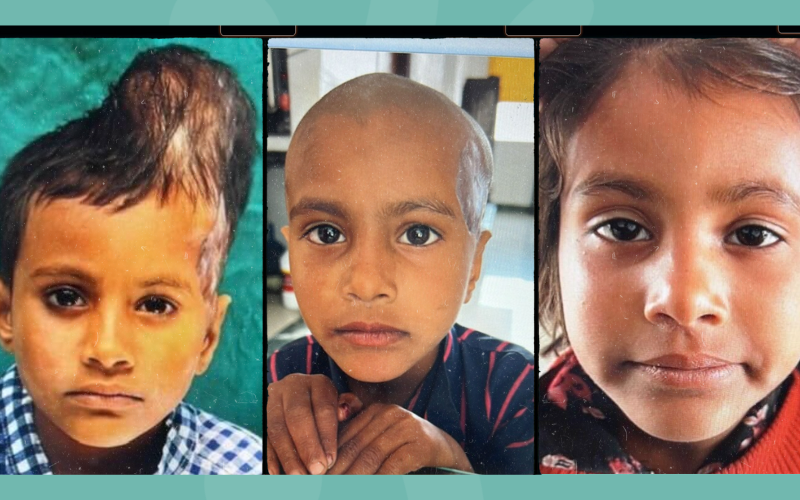
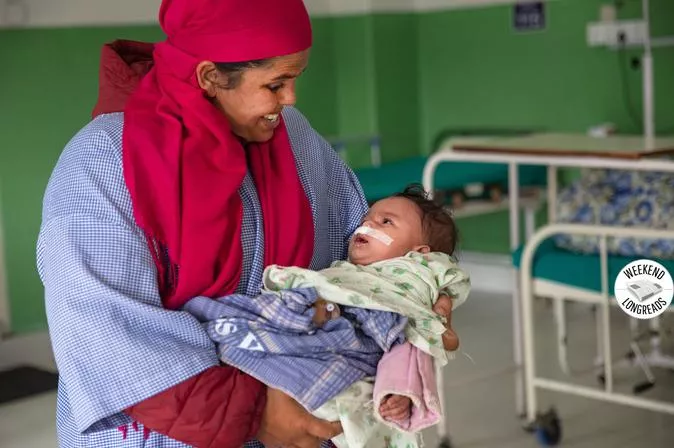
The patients we serve through our Local Outreach Partners and Surgical Team Trips programs at ReSurge are the core of what we do, and, in many ways, those we treat transform our lives as much as we change theirs. Discover more about their life-changing stories below.

We are grateful for our opportunity to touch the lives of those needing surgical treatment worldwide and grow sustainable systems for local surgical teams in low-income countries. However, we cannot make an impact without your support. Donate today to create a ripple effect that changes the world through life-changing, no-cost reconstructive surgeries.