Part 2: A Series of Stories on Access, Equity, and Dignity in Breast Cancer Care
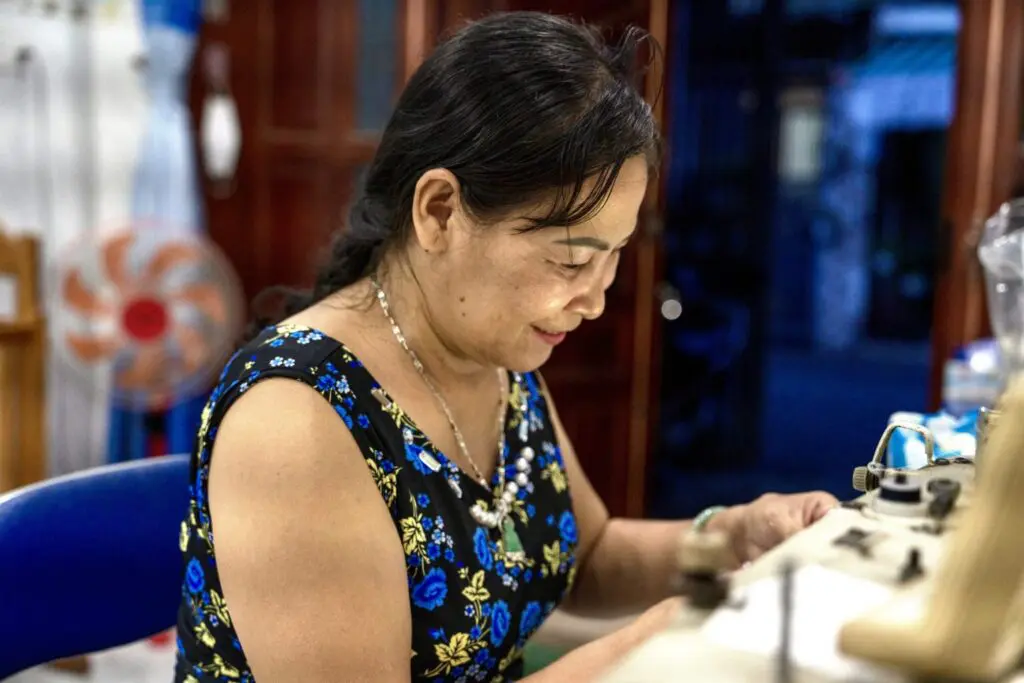
Meet Son Hoang
Son Hoang was still in the hospital when she started noticing the faces around her. She’d just had breast reconstruction surgery with Dr. Trung Hau, the first plastic surgeon in
Central Vietnam to perform the procedure. It had transformed her — not just physically, but in ways she struggled to put into words. And now, from her hospital bed, she was watching other women navigate the same fear, the same grief, the same silence that had surrounded her own
diagnosis. She wanted to do something about it.
A Community Born from Recovery
Son Hoang’s path to that hospital bed had not been easy. A widow since 2005, she had raised two daughters on her own as a tailor in Central Vietnam. In 2014, she was diagnosed with breast cancer. A double mastectomy followed — and with it, a period of depression and withdrawal that she describes as a different kind of battle.
In Vietnam, breast cancer is a deeply private matter. It is rarely discussed openly. Stigma shadows the diagnosis and lingers long after treatment ends. Women who undergo mastectomies have spoken of feeling judged, labeled, seen as less than whole. And even if they want to learn about reconstruction, many don’t know it exists — and those who do often assume it is only available to the wealthy or those who live in the capital.
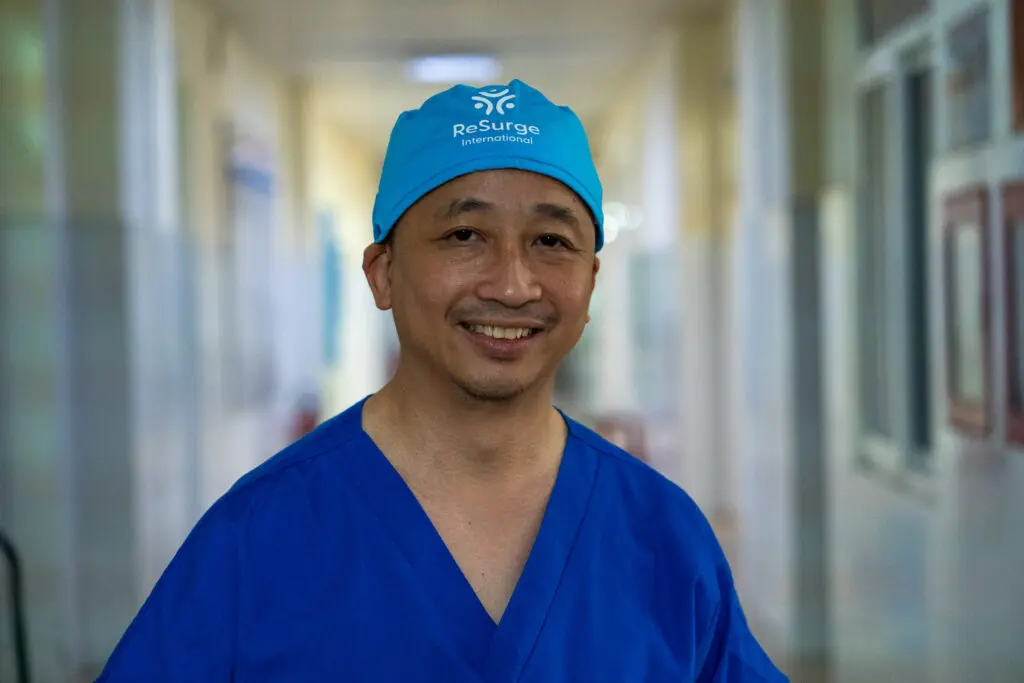
Son was fortunate. She found Dr. Trung Hau. In 2015, she became one of his patients, and the surgery changed her life. Confidence returned. Her sense of herself returned. And with it came something she hadn’t expected: a fierce desire to make sure other women had the same chance.
The Pink Bows
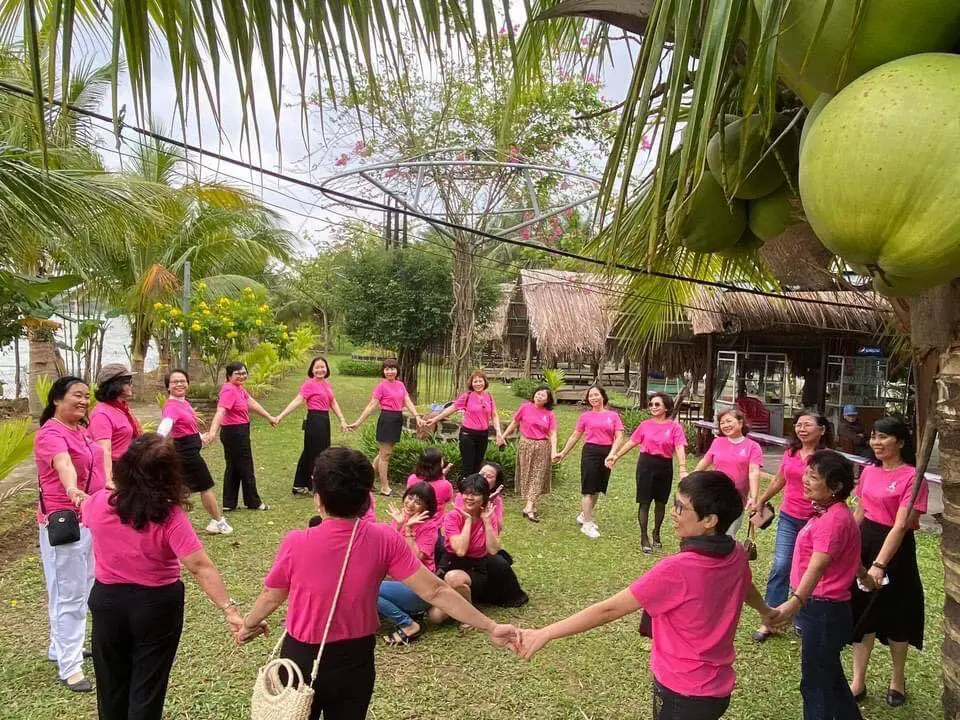
Together with other breast cancer survivors, Son became a founding leader of the Pink Bows — a community of more than 100 women who meet regularly to share their experiences, support one another through treatment and recovery, and spread the word about what comprehensive cancer care can look like.
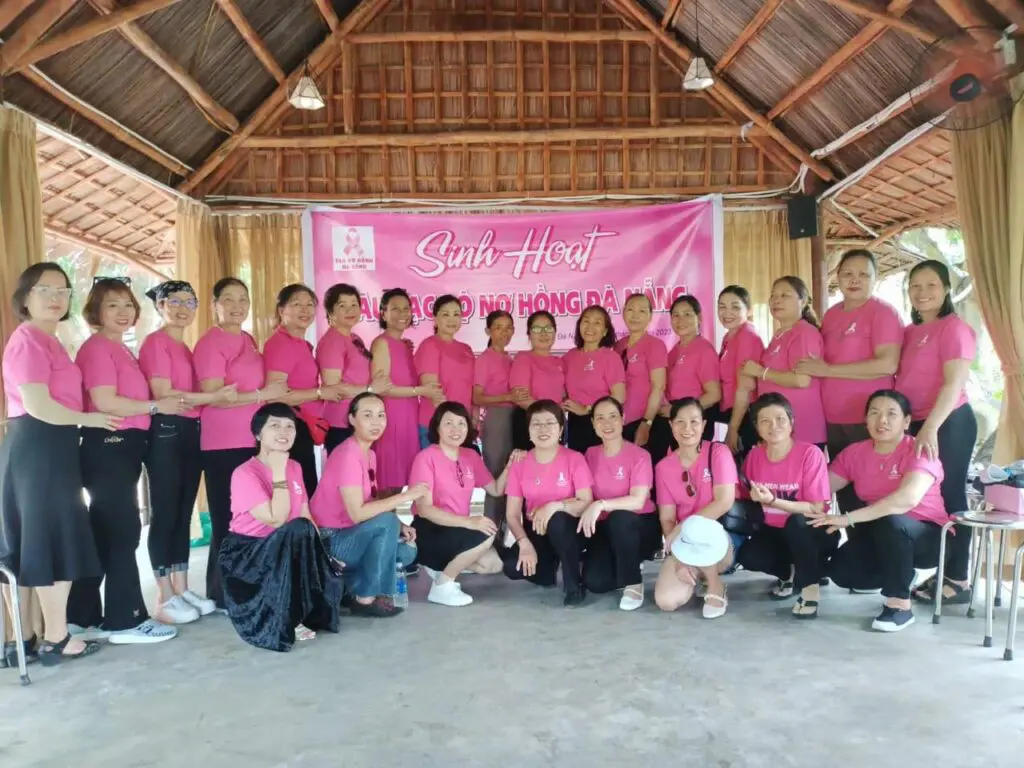
Their goal isn’t just mutual support. It is awareness and access. They want more women to know that breast reconstruction exists, that it is available, and that they deserve to ask for it.
“Communities like the Pink Bows are a direct expression of ReSurge’s ripple effect — patients becoming advocates, survivors becoming leaders, and local movements building the awareness and demand that sustainable access requires.”
That ripple effect matters more than it might appear. In low- and middle-income countries, awareness is not a soft barrier — it is a hard one. In Ethiopia, ReSurge and its partners have found that most patients don’t know reconstruction is an option. If they hear about it, they may assume it is unaffordable or only available far away. Survivor networks like the Pink Bows are the connective tissue between surgical breakthroughs and the women who need them.
Stronger Than Ever
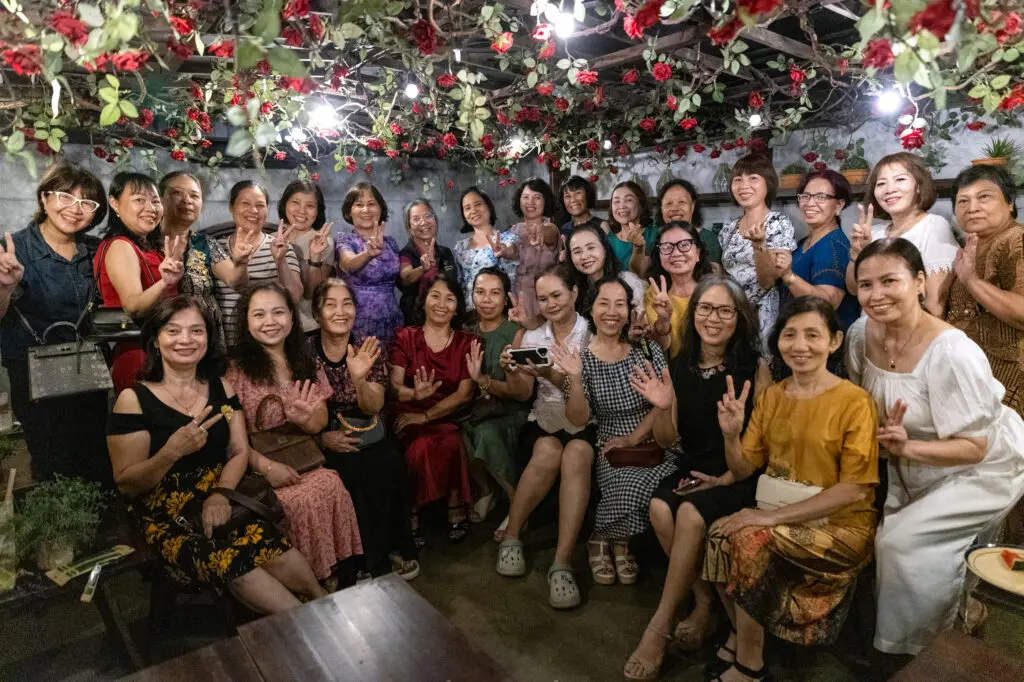
Today, their community continues to grow and glow together, stronger than ever. We have been so inspired by the genuine love, support, and joy we witnessed from these oh-so-powerful women during our latest trips to Vietnam. In Da Nang, Vietnam, we got to visit Son Hoang and a community of other breast cancer survivors who continue to connect, build community, and support each other.
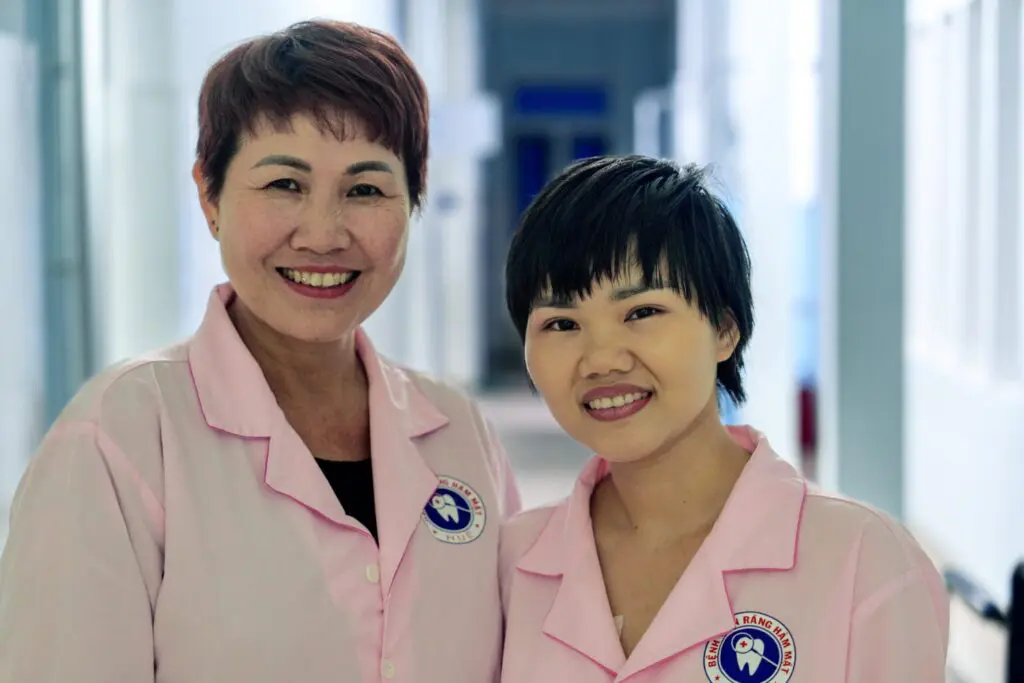
Recently, during a trip to Huế, Vietnam, we caught up with Nga, Hoa, and a circle of women from across Vietnam who traveled to Huế for breast reconstruction after surviving breast cancer. They look after each other. They share a room, every meal, and the kind of conversations that are hard to have anywhere else.
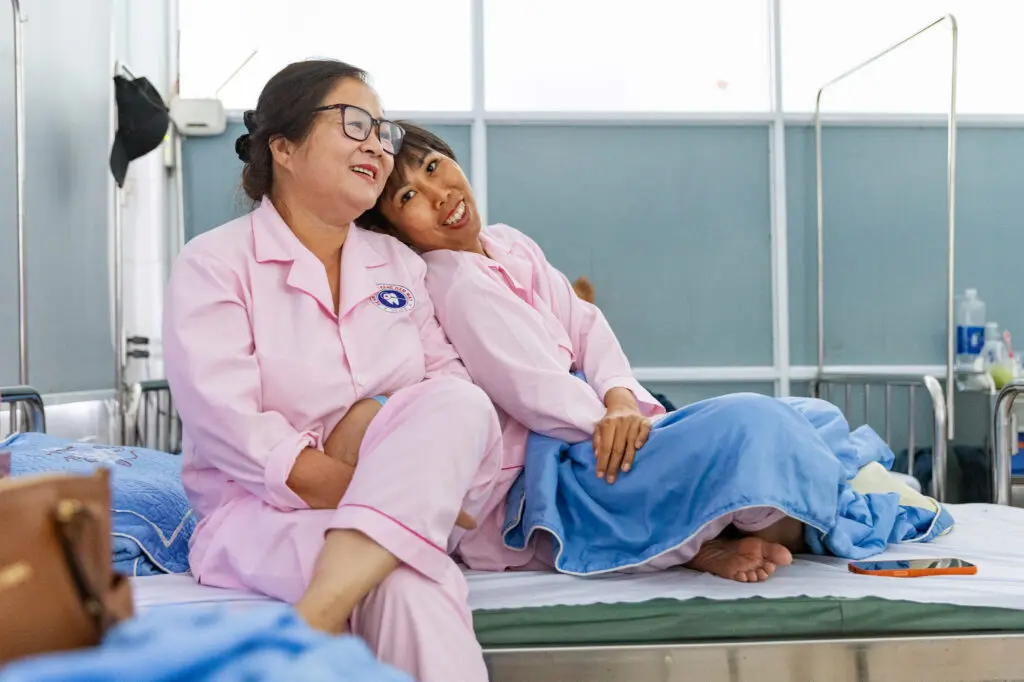
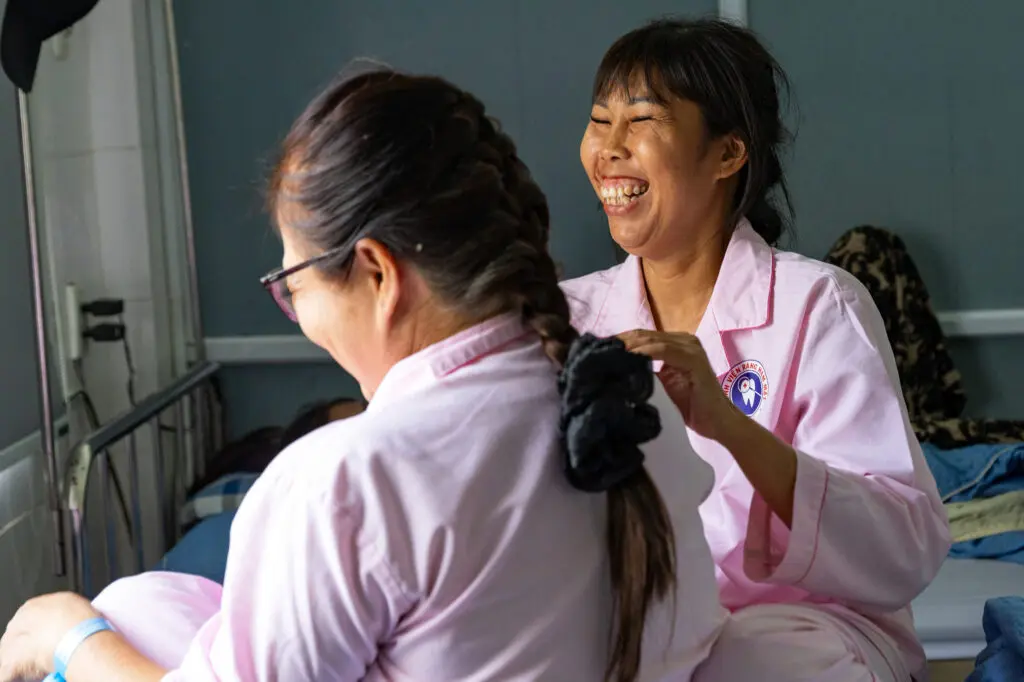
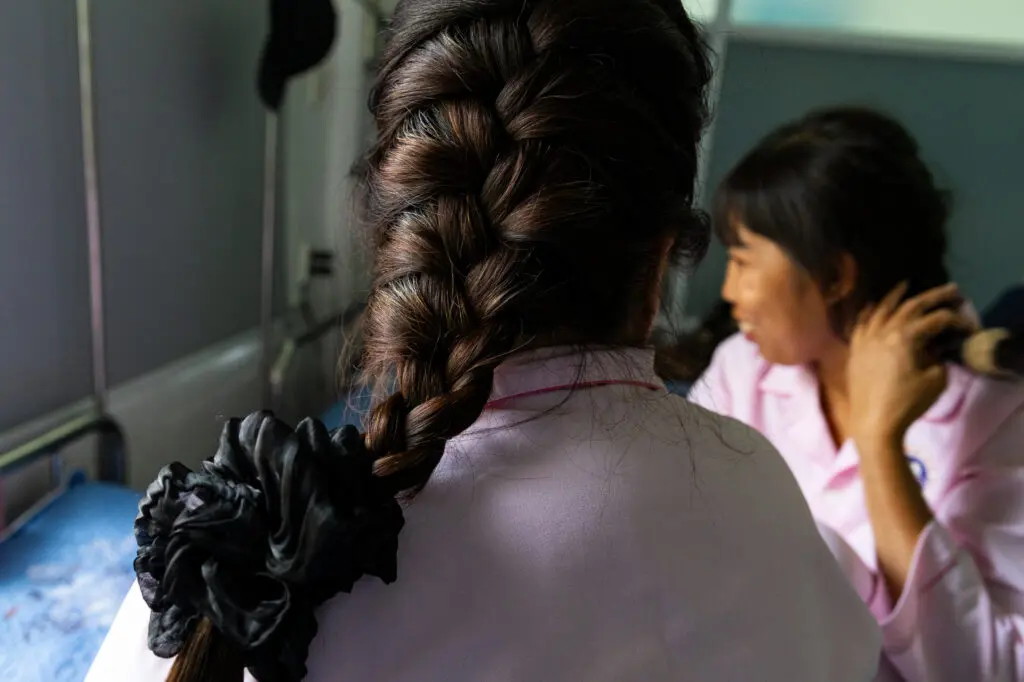
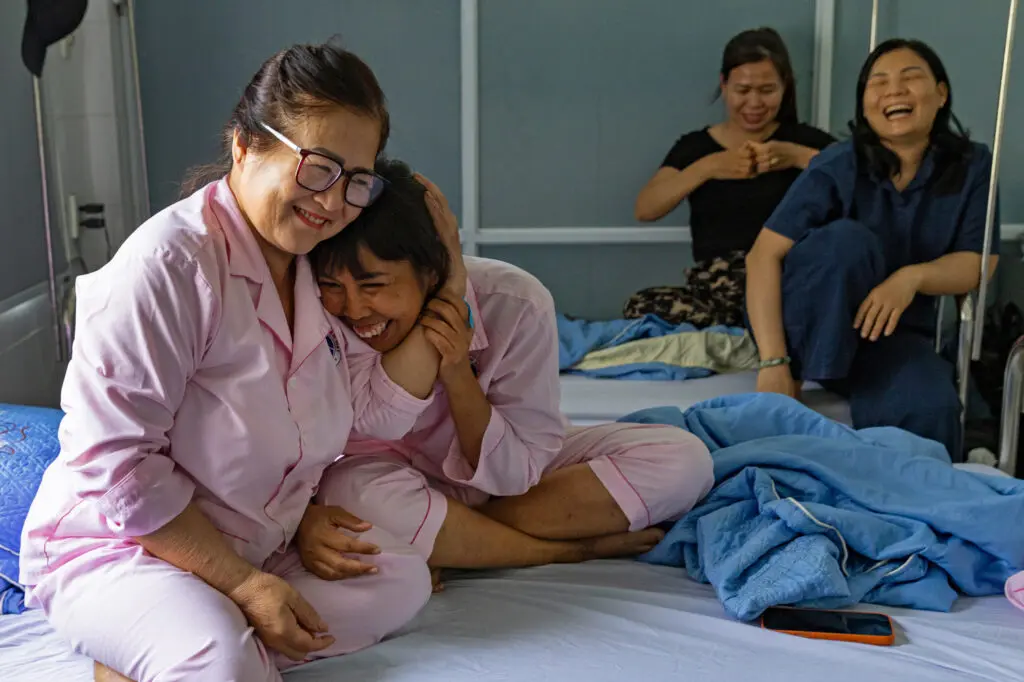
“I felt a very special sense of empathy with everyone,” Nga says.
Their friendships are also part of The Pink Bows, and a larger community of breast cancer survivors connected through breast reconstruction in Huế.
What Vietnam Is Teaching the World
The model that produced the Pink Bows — sustained surgical training, clinical innovation, and community connection — is one that ReSurge is now exporting. Women surgeons from Ecuador, India, Nepal, Tanzania, and Zambia have traveled to Vietnam to train under Dr. Nguyen and Dr. Trung Hau through ReSurge’s Pioneering Women in Reconstructive Surgery program. What they learn there, they will bring home — and in some cases, teach in turn.
Son Hoang started a support group. Dr. Trung Hau trained more surgeons. Those surgeons trained others. Each woman who learns about reconstruction tells someone else.
That is what a ripple effect looks like.