How ReSurge International is Positioned for the Emerging Global Health Architecture
By Claire Lachance, President & CEO, ReSurge International
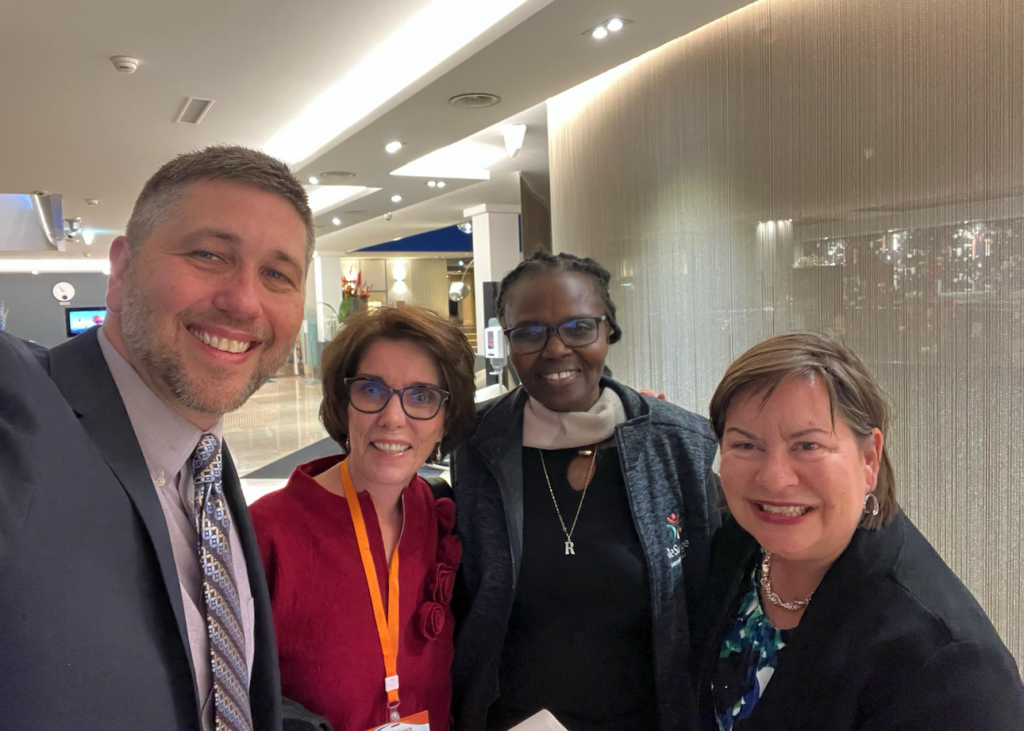
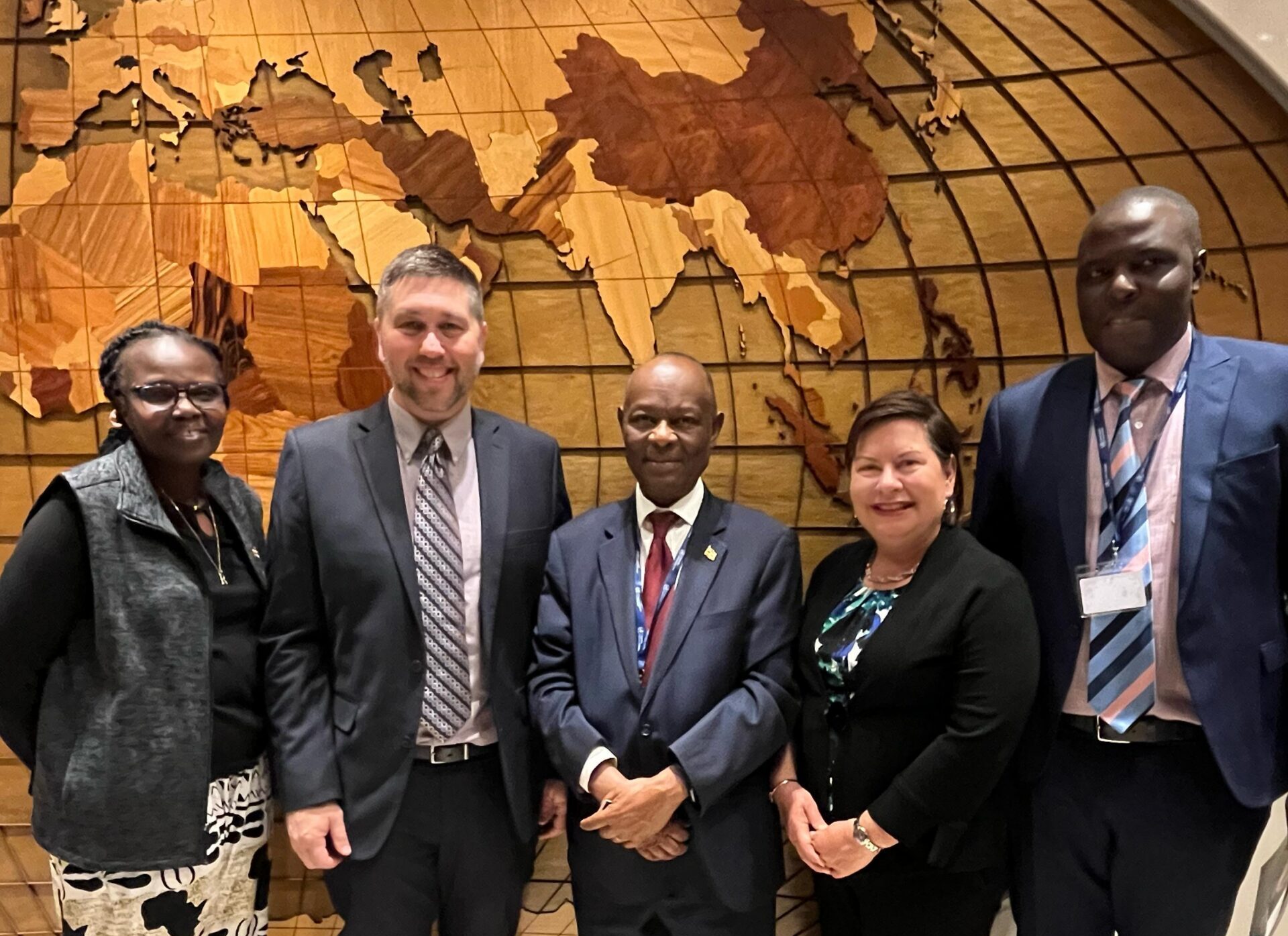
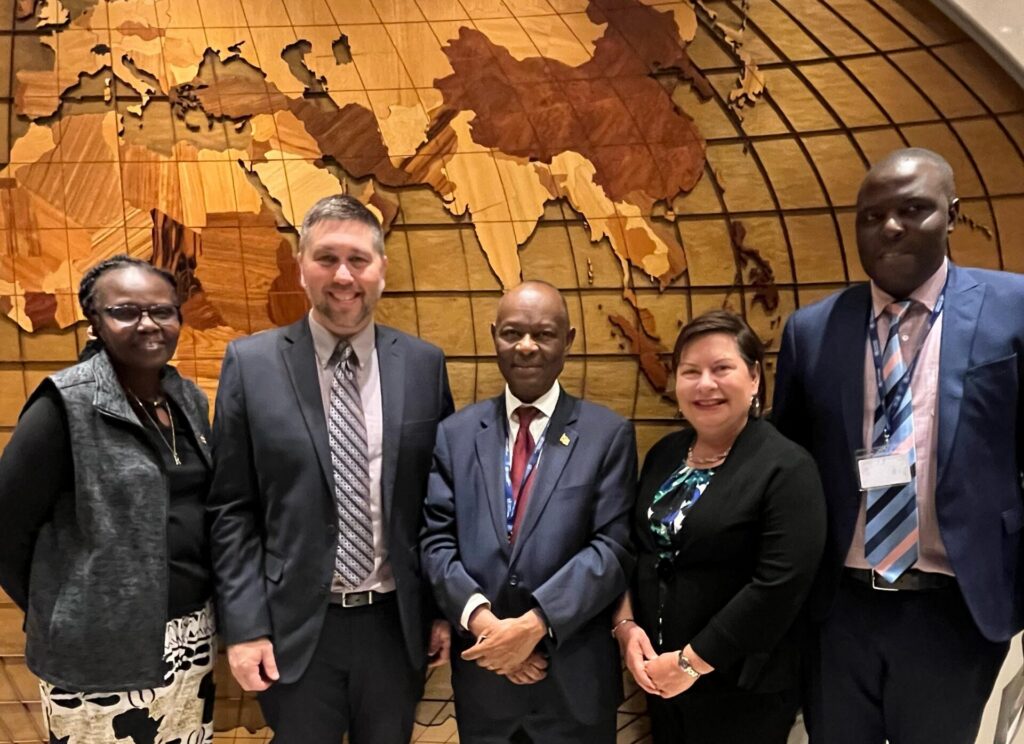
In May 2026, global health leaders converged on Geneva for WHA79: the 79th World Health Assembly. In parallel to the official WHO convenings, hundreds of practitioners, policymakers, funders, and advocates gathered for candid discussions, workshops, and side events on the most pressing challenges in global health and global surgery. I had the privilege of participating alongside ReSurge colleagues: Chief of Institutional Funding and Impact, Joshua Korn and Surgical Partner, Dr. Rose Alenyo of Kiruddu National Referral Hospital in Kampala, Uganda.
Across session after session, the same themes surfaced. What I heard confirmed what I’ve long believed: ReSurge International is built for this moment.
Here are my top 5 global surgery takeaways from WHA79:
1. The charity model is dying. And that’s good news for everyone
The dominant frame across several World Health Assembly sessions was a clear and welcome shift away from the charity model. Local ownership and self-sufficiency is the future. Countries are asserting their right to choose their own partners, co-design their own programs, shape their own agendas, and protect their own data. Ministries of Health are being positioned as the anchors of sustainable change — not passive recipients of outside solutions.
At ReSurge, this has been core to our vision and operating model for decades. Founded as Interplast in 1967, ReSurge International was one of the first nonprofit organizations in the world to provide free reconstructive surgical care in low- and middle-income countries. Since the 1990s, ReSurge redefined the model of medical aid, moving beyond short-term “fly-in” missions to a sustainable, community-led approach that trained local surgeons and funded free surgeries for their patients. This train-the-trainer model places local surgeons, nurses, anesthesiologists, and occupational therapists — not visiting volunteers — at the center of care.
We build capacity that stays, teaches, and grows long after our volunteers return home. We are also deeply committed to helping local leaders build strong, self-sustaining ecosystems surrounding and supporting the delivery of medical services.
2. Surgery alone is not the answer
Time and again, sessions at the World Health Assembly emphasized that global health cannot be siloed by specialty. Nursing, anesthesia, occupational therapy, burn care — all were named as essential, interconnected threads of a functioning health system. Panelists pushed back firmly against surgical-only framings, arguing that integrated, multidisciplinary teams are the foundation of resilient care.
This is deeply familiar territory for ReSurge. Our reconstructive surgical programs have always worked across this spectrum, training integrated teams and building care ecosystems rather than stand-alone surgical capacity. In low-resource settings, a reconstructive surgeon without a skilled anesthesiologist or a trained perioperative nurse is not a solution.
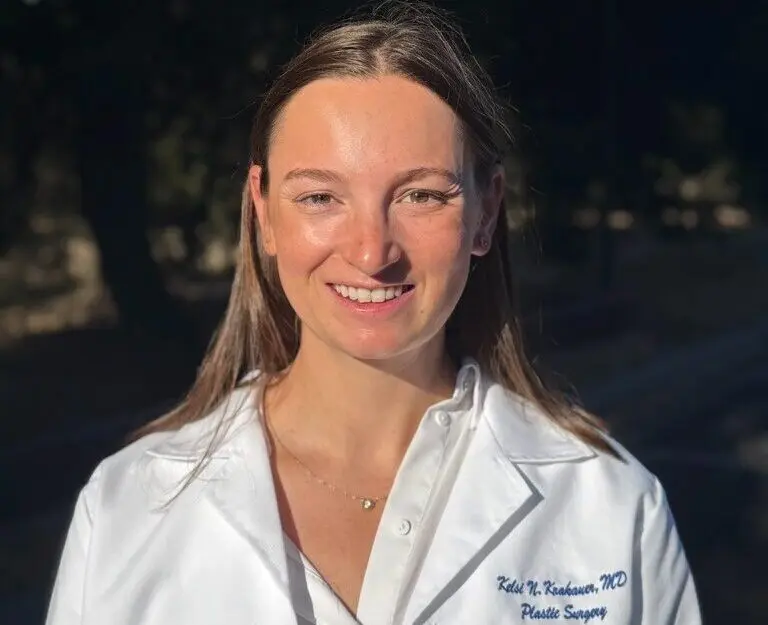
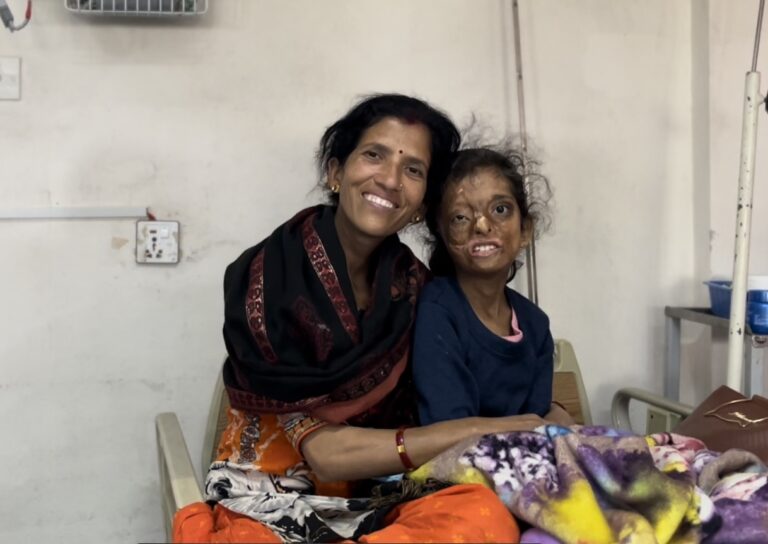
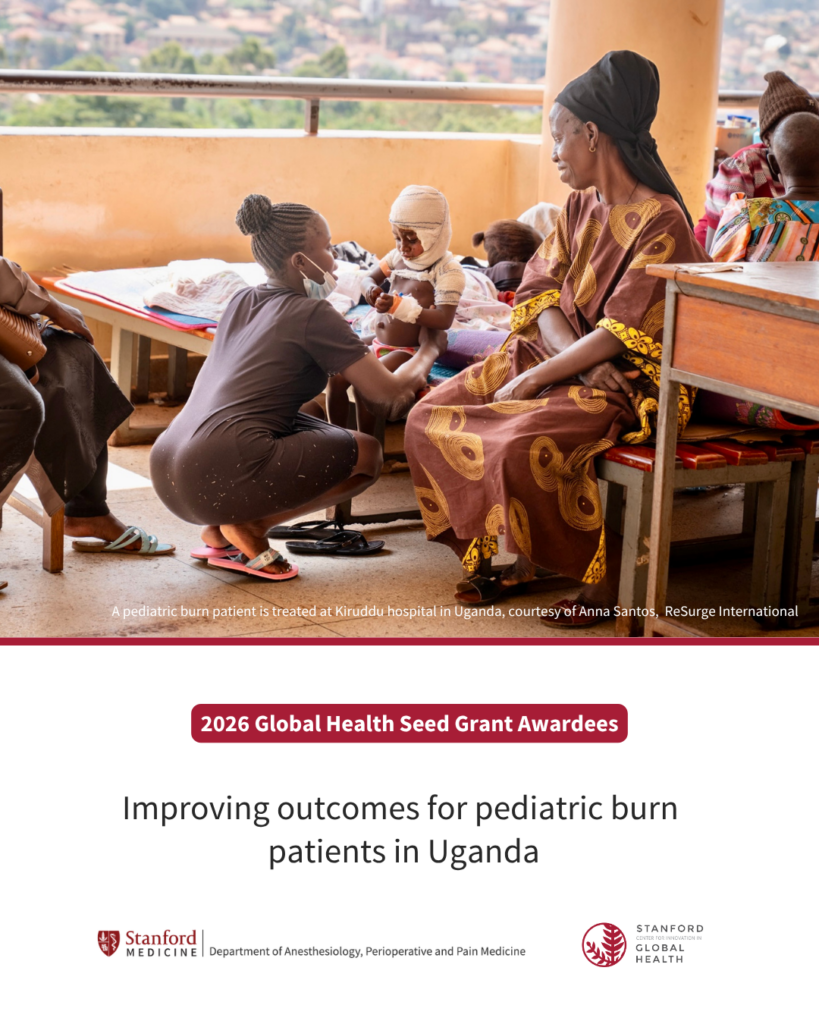
This past year, we’ve doubled down on our commitment to anesthesia, investing in it with the same intentionality we bring to surgical technique, and ensuring every patient receives highly skilled care from preoperative evaluation through recovery. We created a Consulting Anesthesia Safety Officer role and welcomed Dr. Tiffany Kung, a Clinical Assistant Professor in the Stanford Department of Anesthesiology, Perioperative and Pain Medicine. Dr. Kung will be leading a special project, funded by a newly awarded Stanford Seed grant aimed at significantly reducing perioperative morbidity and mortality in Kiruddu Hospital’s burn unit in Uganda, which serves an incredibly vulnerable, largely pediatric population.
3. Technology is an enabler, but it has its limitations
A recurring theme across the technology-focused World Health Assembly sessions was the immense potential — and the real limitations and risks — of digital tools in low-resource settings. Portable diagnostics, telehealth platforms, and AI-assisted care were highlighted alongside frank discussion of connectivity gaps, low digitization rates, and the critical need to demonstrate return on investment.
My takeaway: For organizations like ReSurge, technology must serve the mission, not drive it. Tools that are portable, durable, and designed for low-bandwidth environments can meaningfully extend the reach of our surgical training programs. The criteria are straightforward: does it extend our training reach, does it work in low-bandwidth environments, and does it strengthen local ownership rather than create new dependencies. When the answer to all three is yes, technology is a powerful accelerant.
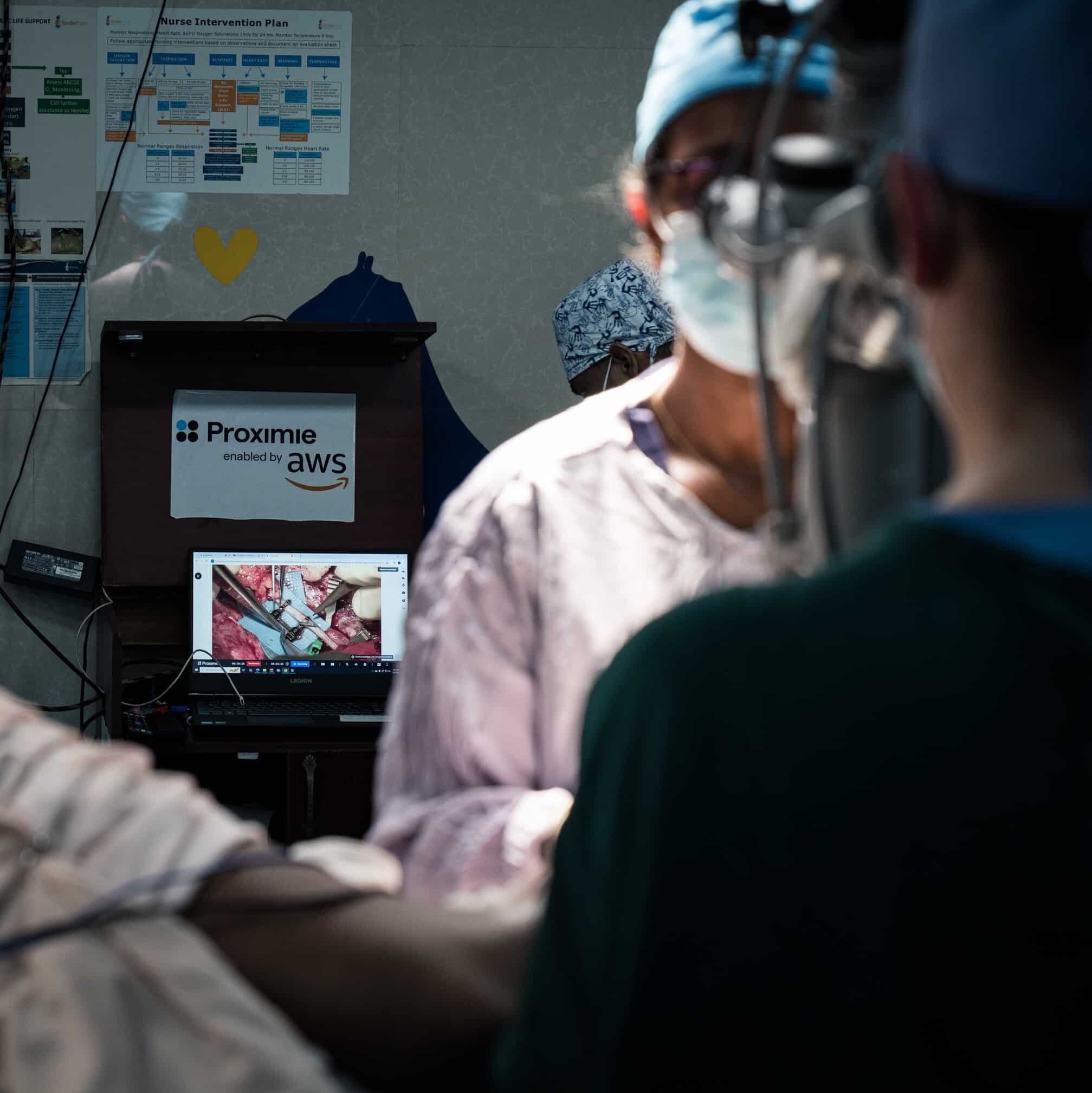
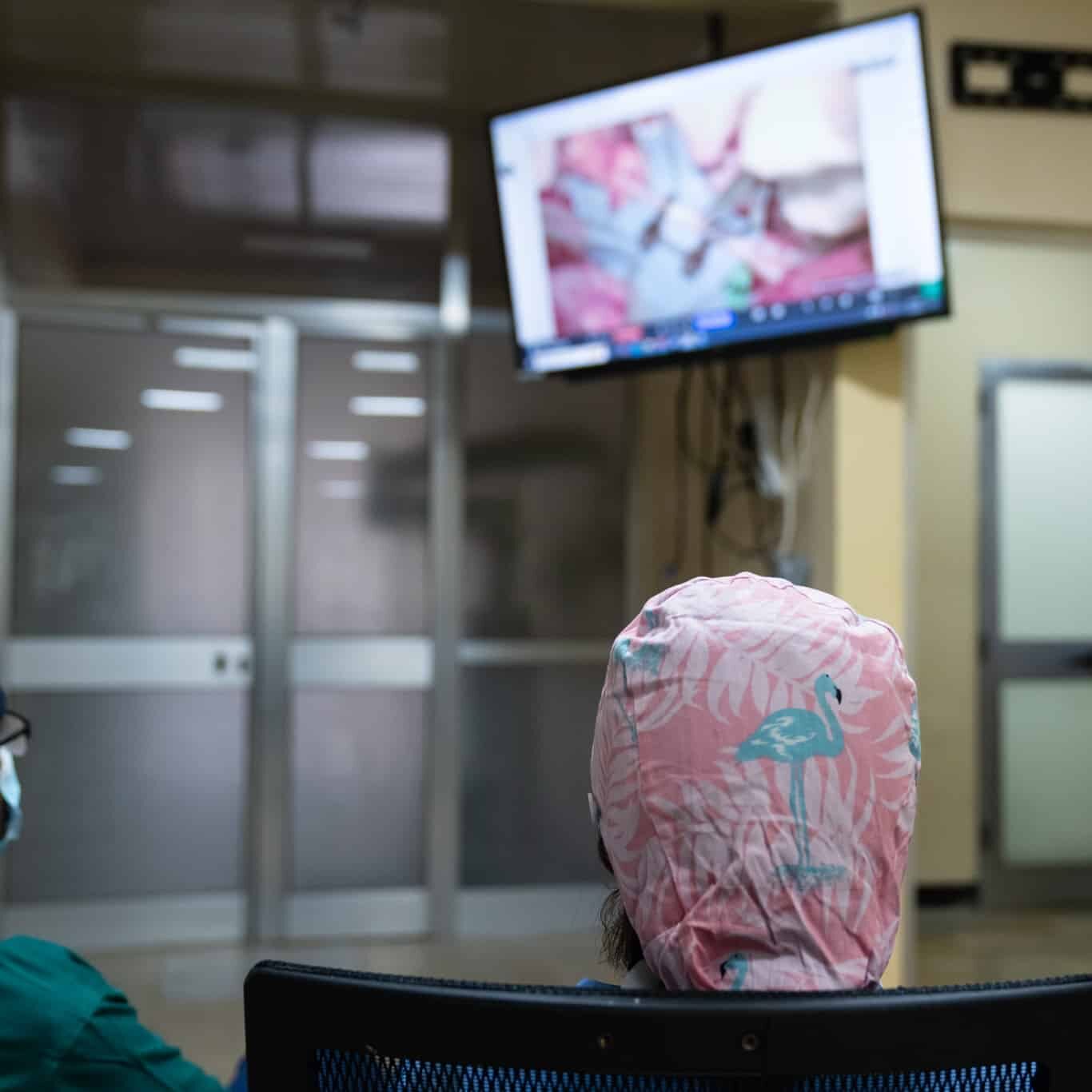
At ReSurge, our partnership with Proximie is an example of technology meeting these criteria. Together with ALERT Comprehensive Specialized Hospital in Addis Ababa, one of Ethiopia’s oldest and largest medical institutions and home to one of the top plastic and reconstructive training programs in COSECSA, the College of Surgeons of East, Central and Southern Africa, we have built a Proximie-powered, AWS-enabled Hub. This uses Proximie’s technology to bring high-quality video from inside the operating room to trainees who would otherwise be locked out by distance or limited OR capacity.
AI was naturally discussed repeatedly at the World Health Assembly, with global health leaders acknowledging both the vast opportunities associated with AI (e.g., creating dramatic efficiencies, driving innovative new solutions) and its inherent risks and challenges including navigating the complex universe of unique national data privacy laws.
4. “Save the Worker, Save the Patient” was the most quoted line of the week
“Save the Worker, Save the Patient” was a rallying call heard across several World Health Assembly sessions — and it could not be more relevant to our mission. Leaders were unequivocal: retention, safety, respect, and compensation are urgent gaps. Health workers must be framed as an investment, not a cost. Investing in health workers creates jobs, fuels economic growth, and strengthens communities from the inside out. ReSurge’s model reflects this truth.
Recently, we published the first peer-reviewed research quantifying the impact of reconstructive surgical training, which won a 2025 Best Paper Award in Plastic and Reconstructive Surgery Global Open. This research found that a single surgeon in a low-resource setting can treat 10,000 patients across a career and, if they train others, they have the potential to transform more than 400,000 patient lives over a lifetime. That is not charity. That is leverage.
The educational programs and mentoring ReSurge offers to local anesthesiologists, nurses, and occupational therapists further extends our workforce impact.
5. A new funding architecture is emerging
The era of fragmented, charity-driven giving is giving way to co-funding, pooled procurement, and alignment with National Surgical, Obstetric & Anesthesia Plans (NSOAPs). Funders are being called to follow country leadership, not direct it. Collective impact — coordinated, sustained, and measurable — is the new standard.
As we scale ReSurge’s mission across Africa, Asia, and Latin America, we are deepening precisely these kinds of partnerships: with governments, institutional funders, partnering NGOs, and the communities we serve. Further, the dismantling of USAID and the resulting severe reduction in U.S. foreign aid demand completely new funding paradigms to tackle our greatest global health challenges, including the extreme gap in access to life-changing reconstructive surgery. At ReSurge, we are committed to financial sustainability not as a goal in itself, but as the condition that allows our impact to compound across generations.
Built for this moment
The World Health Assembly made one thing unmistakably clear: the global health community is converging on a model that ReSurge has championed for decades. Local leaders. Lasting systems. Integrated teams. Transformative, measurable impact. We are ready to take ReSurge’s leadership role to the next level, and we are grateful for every partner, supporter, and community member who has made it possible to be exactly where we are: built for this moment.