Somewhere in the world, a baby is born every two minutes with a cleft lip, a cleft palate, or both. In wealthier countries, that diagnosis is often caught on an ultrasound months before birth, and a clear treatment plan is waiting the moment the baby takes their first breath. But for millions of families in low- and middle-income countries, a cleft diagnosis comes with no roadmap at all — just distance from the nearest hospital, the cost of a surgery they can’t afford, and a community that may not understand the condition.
That gap between what’s medically possible and what’s actually accessible is where ReSurge International works. We don’t just perform free reconstructive surgeries; we train local surgeons, anesthesiologists, and nurses so that comprehensive cleft care — surgery, speech therapy, dental support, and community — remains accessible to patients long after a surgical trip ends.
Below, we’ve answered some of the most common questions about cleft lip and palate: what it is, how it’s treated, why speech therapy matters as much as the surgery itself, and why timely access to care can change the entire trajectory of a person’s life.
What is a Cleft Lip and Palate?
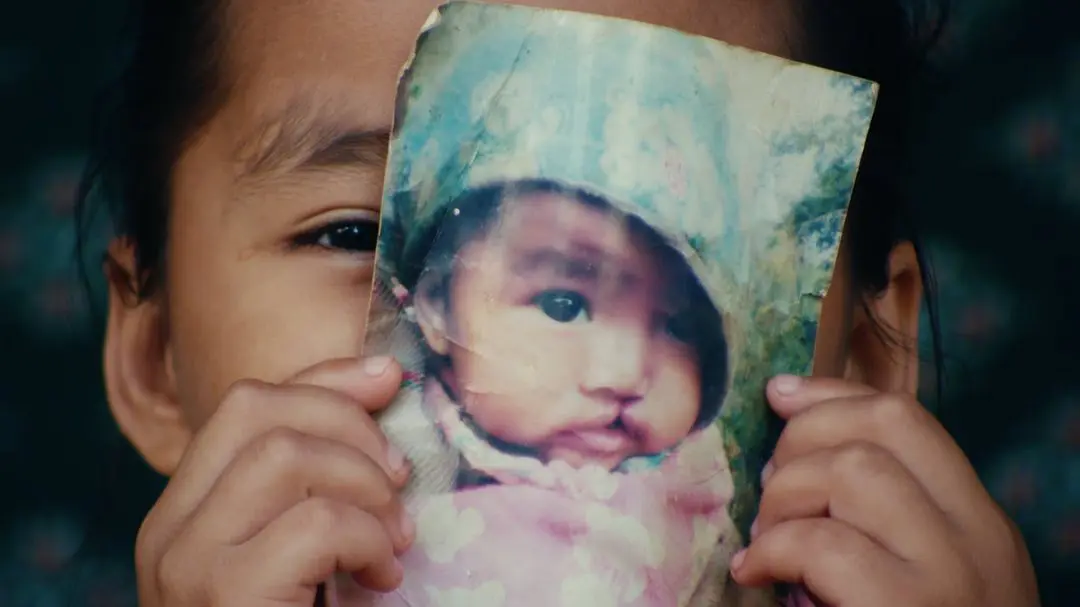
A cleft lip and a cleft palate are birth conditions that occur when tissue in the face or the roof of the mouth doesn’t fully close during pregnancy. When that tissue doesn’t come together as it should, an opening — called a cleft — remains.
A cleft lip is a gap in the upper lip that can range from a small notch to an opening extending into the nose. It can appear on one side of the lip (unilateral) or both sides (bilateral).
A cleft palate is an opening in the roof of the mouth. It can affect the hard palate at the front, the soft palate at the back, or both. A cleft lip and cleft palate can occur together or on their own.
Approximately 1 in every 700 babies worldwide is born with a cleft condition, making it one of the most common birth differences on earth. There usually isn’t a single cause — contributing factors can include a family history of clefts, smoking during pregnancy, certain medications, and other environmental and genetic factors that researchers are still working to fully understand.
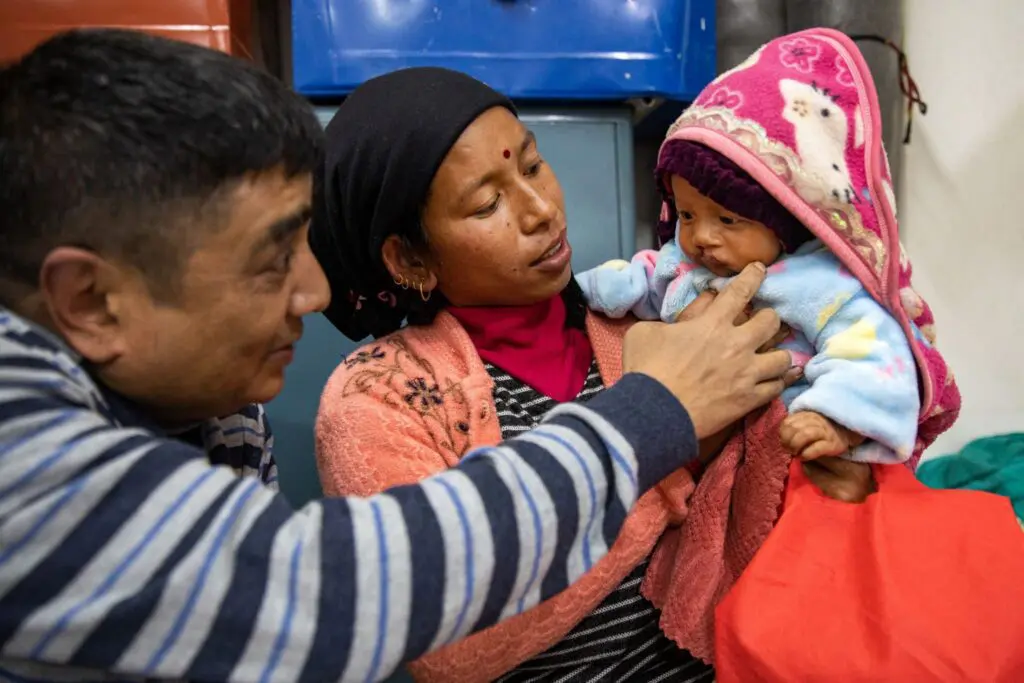
What work does ReSurge do to care for patients with a cleft lip and palate?
ReSurge builds lasting surgical capacity in low- and middle-income countries across Africa, Asia, and Latin America. Rather than relying solely on short-term visiting medical teams, we train and support local surgeons, anesthesiologists, and nurses who remain in their communities long after any visiting team has gone home. That’s the difference between a single surgical trip and a healthcare system that can keep caring for patients for decades.
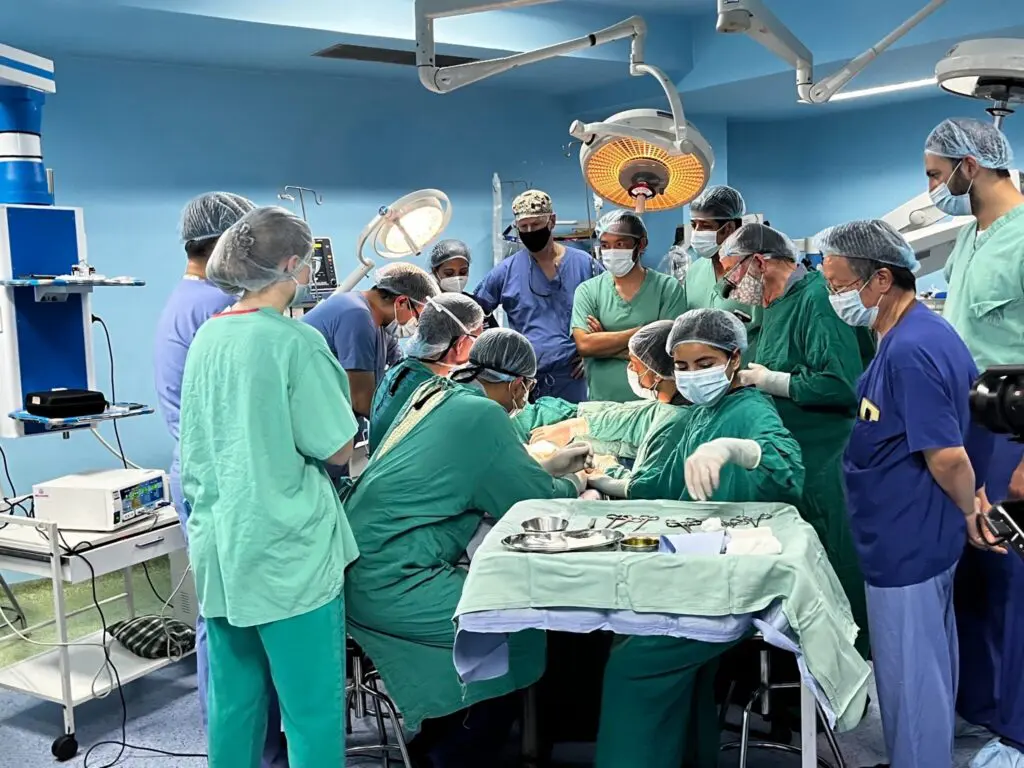
ReSurge provides surgical care at no cost to patients, offers both in-person and virtual training for local medical teams, and works alongside volunteer surgeons from institutions including Stanford University and Johns Hopkins. We also support speech therapy, dental care, and programs that connect patients with others who share similar experiences — because recovery isn’t just physical.
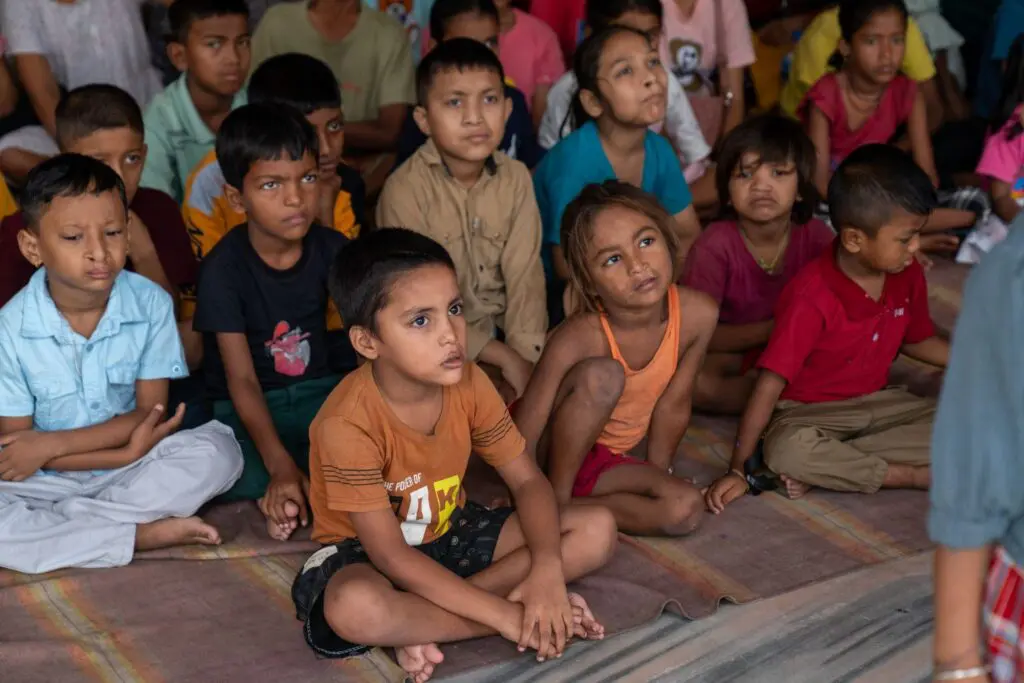
What challenges does a person with a cleft lip and palate face?
Feeding: Babies with a cleft palate can’t create the suction needed to feed normally. Without the right equipment and support, getting enough nutrition can be difficult and affect a baby’s growth.
Speech and hearing: Without timely palate repair, a child may develop a nasal-sounding voice and struggle to make certain sounds. Children with clefts are also more prone to fluid buildup in the ears, which can cause hearing loss and slow language development.
Teeth: A cleft can affect how adult teeth grow in, and most children will need more dental care than usual throughout their lives. In adults, missing or misaligned teeth can make oral hygiene harder and increase the risk of cavities and gum disease.
Emotional and social well-being: A visible facial difference can affect a child’s confidence and friendships. For adults who never received treatment, the impact can be lifelong — many experience depression, low self-esteem, and difficulty finding work, particularly in communities where misinformation and stigma around clefts still persist.
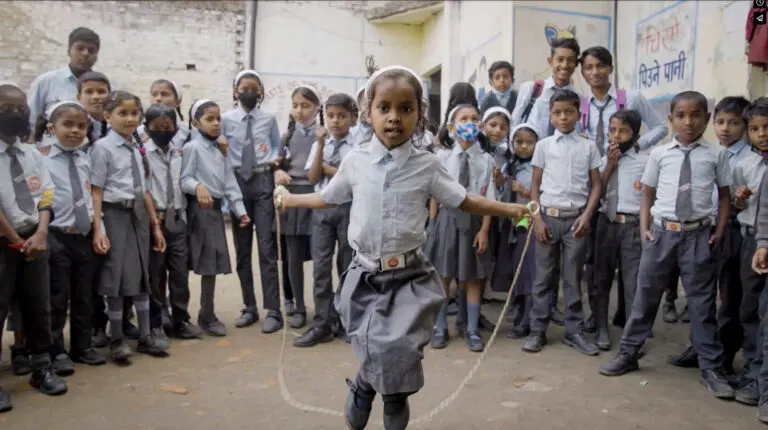
Yashika Goel, born with a cleft lip and palate in Dehradun, India, knows this firsthand. Growing up, she faced whispers, doubt, and cultural misconceptions about her condition — even from relatives. For years, she found it easier to attribute her scars to a childhood accident than to explain the truth. It wasn’t until she found the confidence to share her real story, with support from ReSurge surgical partners, that she began to change the conversation around her.
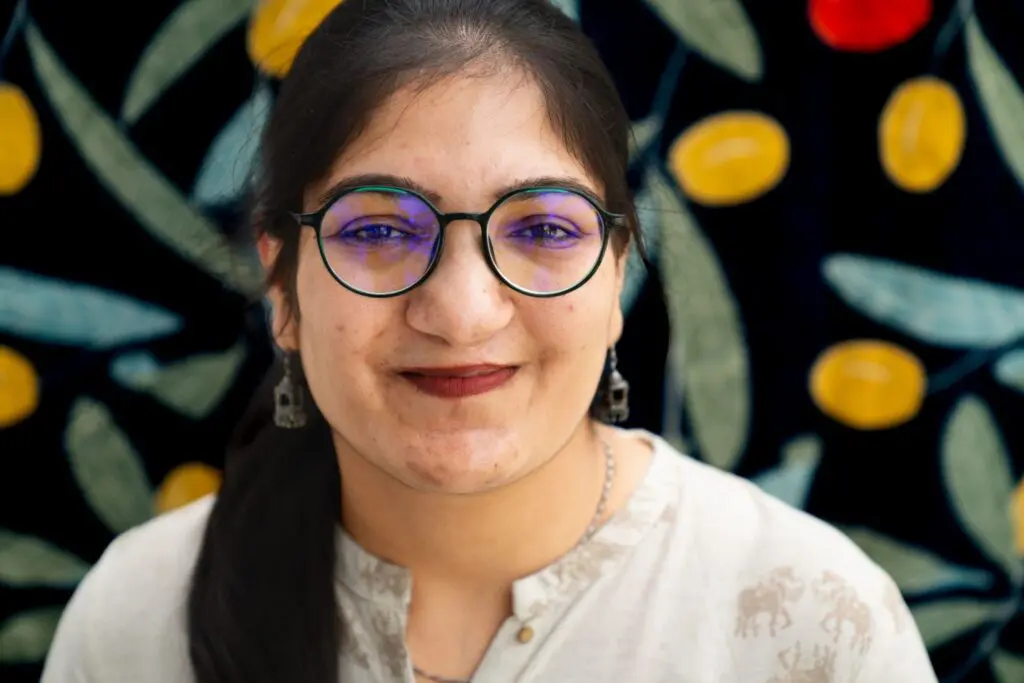
“I got motivated and realized maybe some people are aware of this. Now, we can have a real discussion.”
Today, Yashika works as a software engineer and spends her free time helping other cleft patients and their families push back against the same myths she once faced. Her story is a reminder that surgery repairs more than a lip or a palate — with the right support, it can restore a person’s confidence to be fully seen.
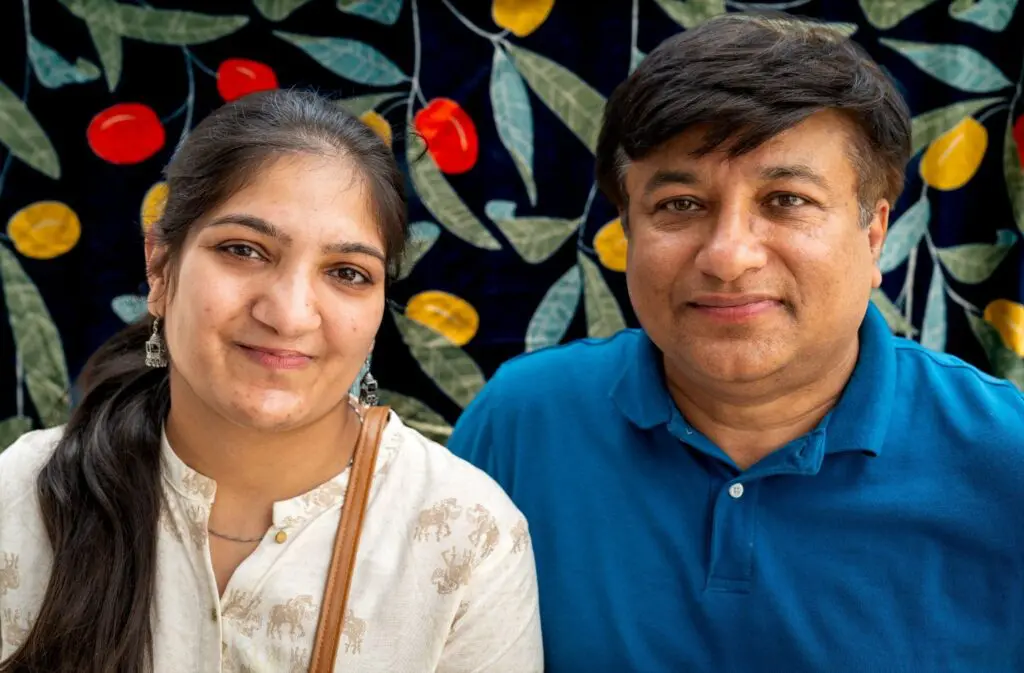
Access to care: In high-income countries, newborns with a cleft are typically diagnosed at birth, with treatment plans — surgery, speech therapy, and ongoing support — quickly put in place. In low- and middle-income countries, that same level of comprehensive, coordinated care is often limited or entirely out of reach, due to distance, cost, and a shortage of trained specialists. Closing that gap is the core of ReSurge’s mission.
What professionals are involved in caring for cleft lip and palate patients?
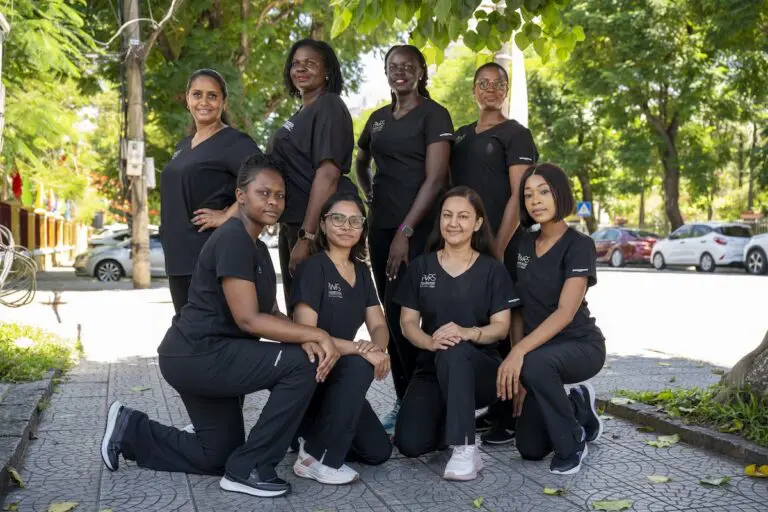
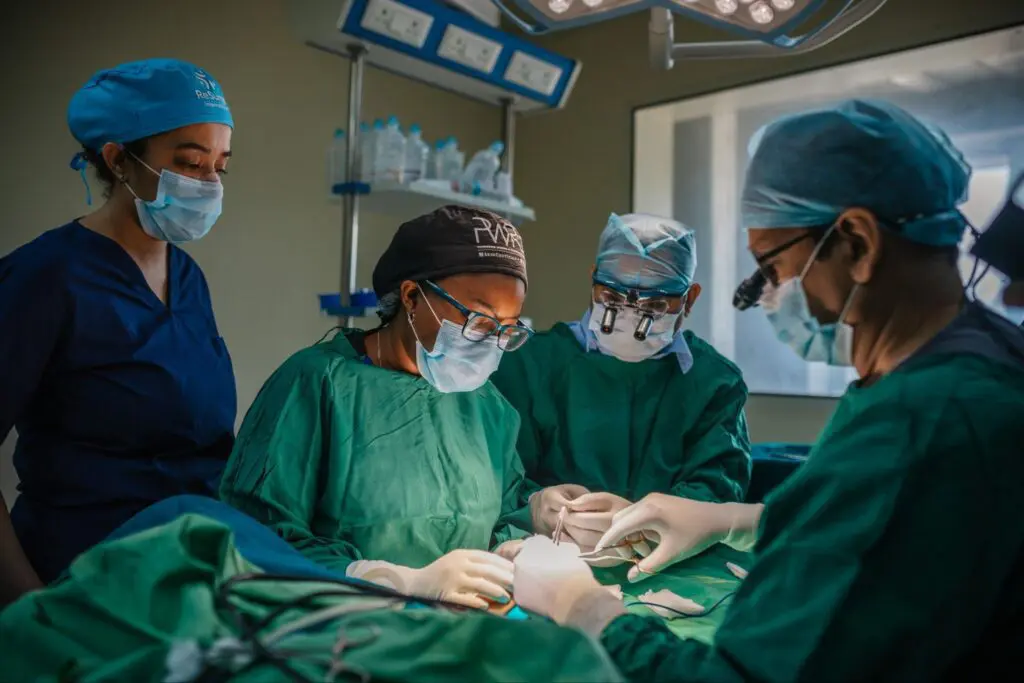
Because a cleft condition can affect eating, hearing, speech, dental health, and emotional well-being, a team of specialists works together to care for each patient. That team usually includes:
Plastic or craniofacial surgeons: perform the surgical reconstruction of the lip and palate, plus any follow-up surgeries as the child grows
Pediatricians: monitor the child’s overall health and connect families with specialists
ENT (ear, nose, and throat) specialists: check for hearing problems and fluid buildup in the middle ear
Speech-language pathologists: assist with feeding challenges in infancy and guide speech development through childhood
Orthodontists and dentists: support tooth development, alignment, and the growth of adult teeth
Prosthodontists: make custom dental devices to help a child eat and speak before or between surgeries
Can a cleft lip and palate be detected on an ultrasound?
A cleft lip can often be spotted during a routine pregnancy ultrasound, usually around 20 weeks. With newer 3D ultrasound technology, detection may be possible as early as 12 weeks, though it isn’t always reliable.
A cleft palate is harder to detect before birth. Because the palate sits deep in the mouth and is surrounded by bone, a standard ultrasound can’t always produce a clear image of it. A cleft affecting only the soft palate — the back portion of the roof of the mouth — often isn’t identified until after birth.
If a cleft lip is found on an ultrasound, the doctor will look more closely to see if the palate is affected too. If a cleft condition isn’t detected before birth, it’s typically identified during the newborn’s first physical exam.
Is a cleft lip and palate a treatable condition?
Yes — cleft lip and palate are common, well-understood, and highly treatable conditions. With surgery performed at the right time and the right follow-up care, the majority of children go on to live healthy lives — some, like ReSurge patient Andrea, even go on to careers in medicine themselves.
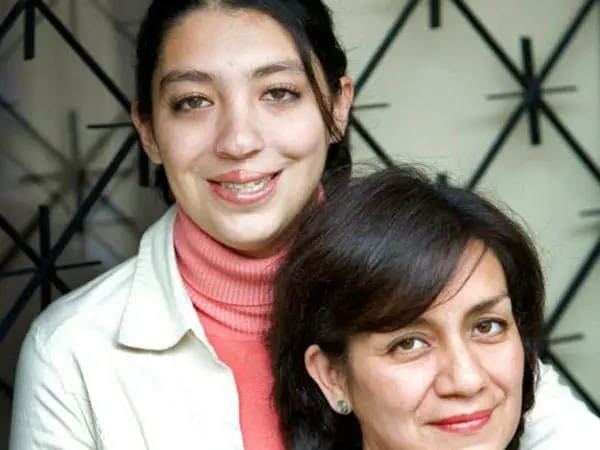
Timing matters. Surgery in the first year of life helps a baby feed and breathe more comfortably, supports normal speech development, and reduces the emotional impact of the condition in those early, formative years. Unfortunately, this level of care is out of reach for many families around the world. Providing it to those who would otherwise go without is at the heart of what ReSurge does.
What does surgical care for a cleft lip and palate involve?
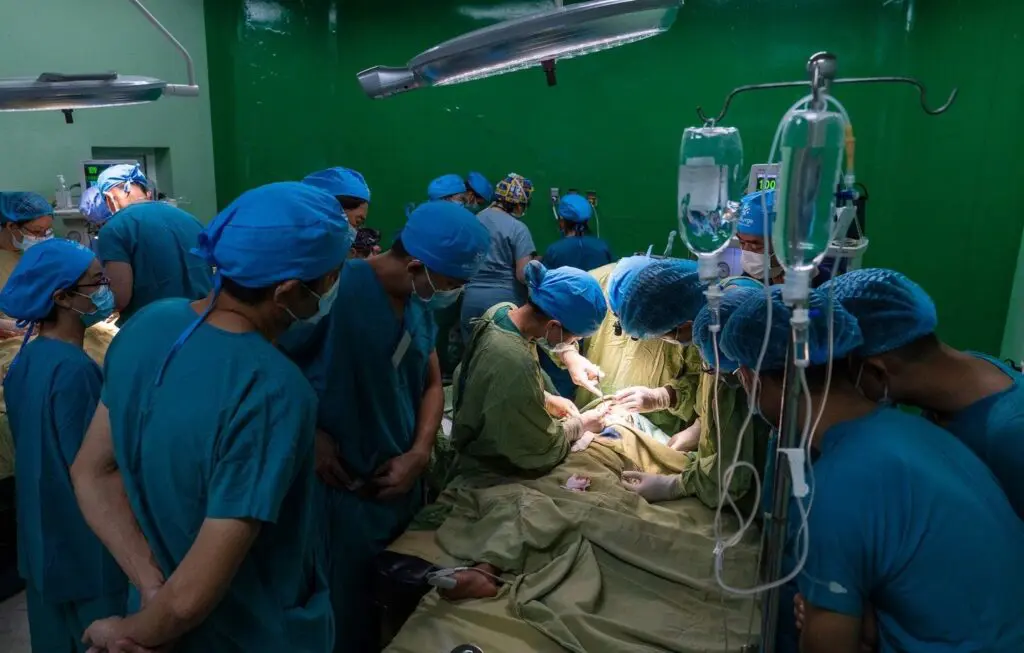
Treatment unfolds over several years — it’s rarely just one operation. A typical plan looks like this:
Lip repair — usually performed between 3 and 6 months of age. The surgeon closes the gap in the lip; a faint scar above the lip is the most common lasting sign.
Palate repair — typically performed between 9 and 12 months, before the child enters the main window of speech development. The surgeon closes the opening in the roof of the mouth and repairs the soft palate muscles. This is the most important procedure for a child’s long-term ability to develop clear speech.
Touch-up procedures — as the child grows, additional refinements to the lip, nose, or palate may be recommended. Some teenagers also need jaw surgery if the upper and lower jaw haven’t grown in alignment.
What are some feeding guidelines for parents nursing a baby with a cleft lip and palate?
If a baby has a cleft lip but the roof of the mouth is unaffected, they’re often able to feed successfully, sometimes with minor adjustments.
If a baby has a cleft palate, the opening in the roof of the mouth prevents them from building up enough suction to feed properly. These babies often need special bottles, different feeding techniques, and closer monitoring than other infants to make sure they’re growing well and getting proper nutrition.
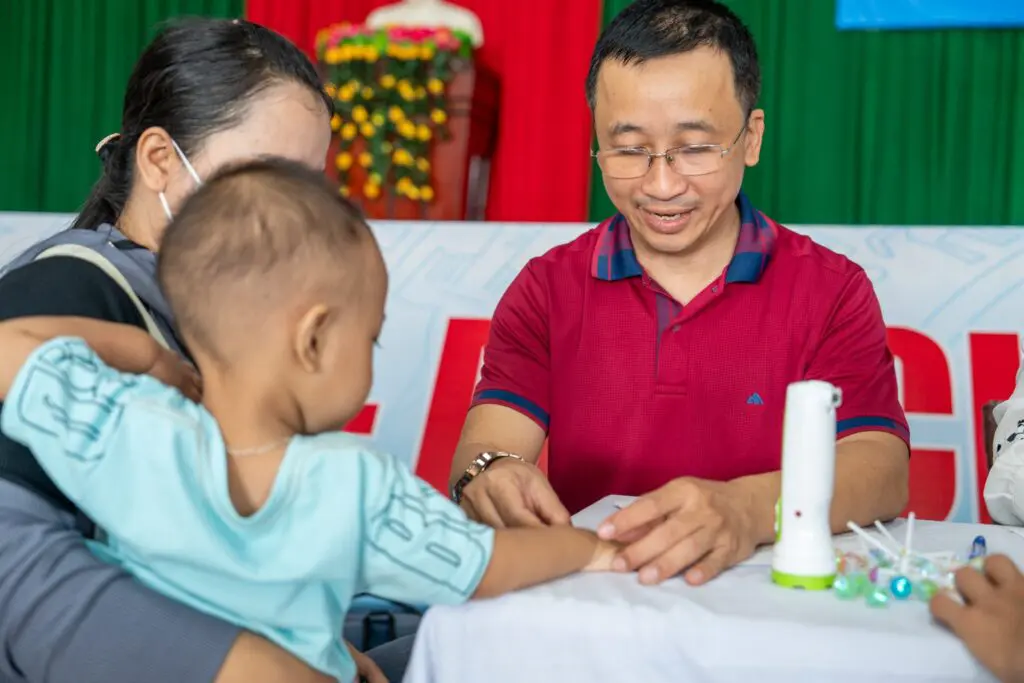
Will a child’s speech improve if they have a cleft lip and palate?
For most children, yes. Repairing the palate before a child’s first birthday gives the best chance of normal speech development, since it allows the muscles in the roof of the mouth to function properly before speech patterns fully form. About 60% of children with a cleft palate will need speech therapy at some point, most commonly for a nasal-sounding voice or difficulty producing certain sounds clearly — a challenge ReSurge patient Pitam knows well from his own decades-long journey with cleft care.
A small number of children — about 1 in 5 — may need a follow-up procedure if the soft palate doesn’t close fully. Their care team monitors this closely and advises on next steps if needed.
With the right care, the vast majority of children have little to no lasting speech difficulty.
Why is speech therapy important?
Surgery closes the cleft, but it doesn’t automatically teach a child how to speak clearly. Many children who’ve had a cleft palate repaired still need dedicated speech therapy to unlearn old compensatory habits and build the muscle coordination needed for clear speech — and research on intensive speech camp models has shown that concentrated, immersive therapy can be just as effective as months of once- or twice-weekly sessions, which makes it a practical option for families who can’t easily access ongoing care close to home.
That’s exactly the gap ReSurge’s Speech Therapy Camps are designed to close. In Nepal, for example, our team runs six speech therapy camps a year in rural areas across the country, bringing cleft-operated children and their families together for free food, lodging, transportation, individual and group speech therapy, parental counseling, and dental care — all in one place, all at no cost.
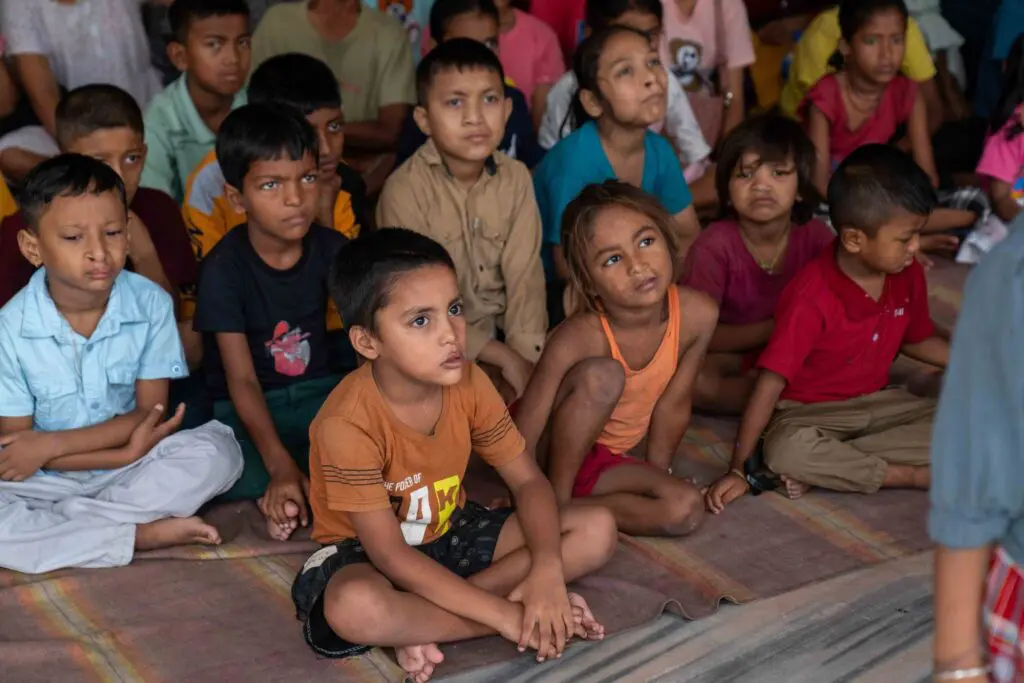
One camper, Padam Thupa, was born with a cleft lip and palate in rural Nepal and grew up facing bullying and speech difficulties on top of family hardship. Through ReSurge’s Speech Therapy Camps, he found more than clinical care — he found a community, built his confidence, and gained the speech skills that surgery alone couldn’t give him. Today, Padam has come full circle: he now works as a camp counselor, helping the next generation of cleft-operated children find their voice.
This is the model ReSurge believes in: care that doesn’t stop at the operating room. Because for a child born with a cleft, the surgery is often just the beginning of the journey toward speaking, connecting, and thriving with confidence.
What can I do to help a patient with a cleft lip and palate?
ReSurge International is one of the few organizations providing the full scope of reconstructive surgical care for cleft patients — from free surgery to long-term follow-up care, speech therapy, and dental support. Every child and adult deserves access to timely, comprehensive treatment, no matter where they’re born.
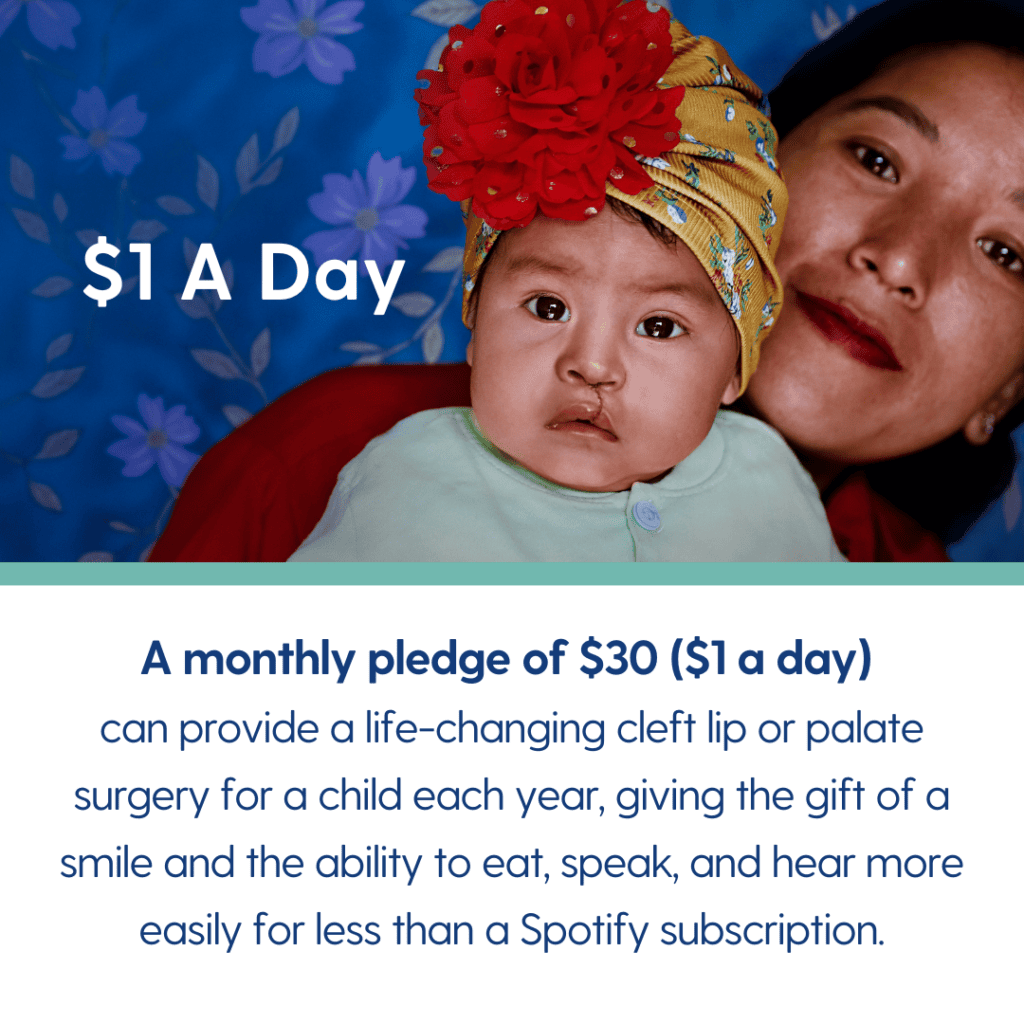
Change a life today. Your donation to ReSurge International helps us provide life-saving cleft lip and cleft palate surgeries — and the follow-up care that makes lasting recovery possible — to children and adults in developing nations. A monthly pledge of $30 ($1 a day) can provide a life-changing cleft lip or palate surgery for a child each year, enabling them to smile, eat, speak, and breathe more easily.