Breast cancer is the most diagnosed cancer in women worldwide. In 2020 alone, 2.3 million women were diagnosed — and nearly 685,000 died from it, the majority with advanced disease. Behind those numbers are women who faced one of the hardest diagnoses imaginable, many of them in places where comprehensive cancer care, including reconstruction after mastectomy, was never within reach.
For millions of women in low- and middle-income countries, breast reconstruction after mastectomy is not a realistic option — not because it isn’t needed, but because the surgeons, systems, and awareness to deliver it simply don’t exist. ReSurge International is changing that. Through surgical training, community-building, and global advocacy, ReSurge is pioneering sustainable access to breast cancer care for women in low- and middle-income countries.
Why Is Breast Reconstruction Inaccessible in Low- and Middle-Income Countries?
In many LMICs, breast reconstruction after mastectomy is out of reach due to a combination of surgeon shortages, late-stage cancer diagnoses, cultural stigma, and prohibitive costs. In countries like Vietnam, breast cancer often goes undetected until advanced stages — a pattern that mirrors a broader global crisis: 60–80% of breast cancers in developing countries are diagnosed at the metastatic stage, dramatically limiting treatment options and survival outcomes. Even when diagnosed, patients may find that no trained reconstructive surgeon exists anywhere near them. For women in rural areas, the gap is even wider; research consistently shows that geography is one of the strongest predictors of whether a woman receives post-mastectomy reconstructive surgery.
Beyond physical barriers, there is a significant cultural dimension. In Vietnam, breast cancer is treated as a deeply private matter, rarely discussed openly within communities. This stigma compounds the isolation women already feel after diagnosis and surgery, discouraging others from seeking care and making recovery harder for those who do.
High costs and limited insurance reimbursement further restrict access worldwide, even in higher-income settings. The result is a stark global equity gap: a woman’s access to whole-body cancer recovery is largely determined by where she was born.
ReSurge International’s breast cancer care program addresses this gap through a two-pronged approach, training local surgeons to deliver care sustainably, and building the communities and awareness that make that care meaningful.
How Does ReSurge International Expand Access to Breast Reconstruction?
ReSurge International expands access to breast reconstruction through direct patient care delivered by trained local surgical partners, combined with long-term capacity building that equips the next generation of surgeons to provide and scale this care in their home countries. The need is urgent: an estimated 65–80% of incident cancers will require surgical care, yet in most LMICs, that care — and certainly reconstruction — remains virtually inaccessible.
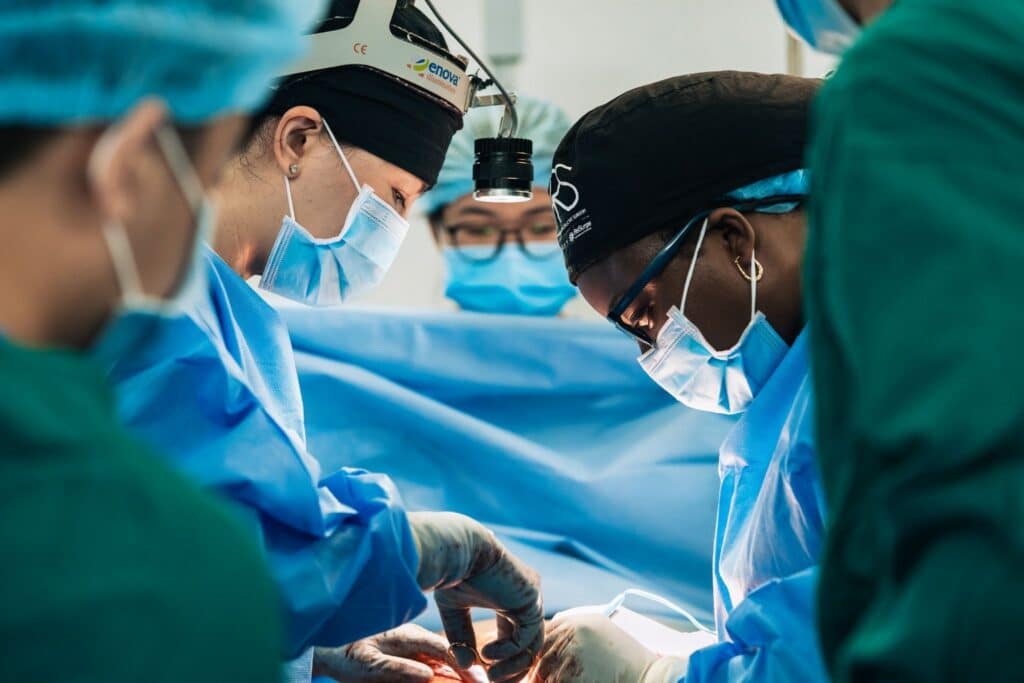
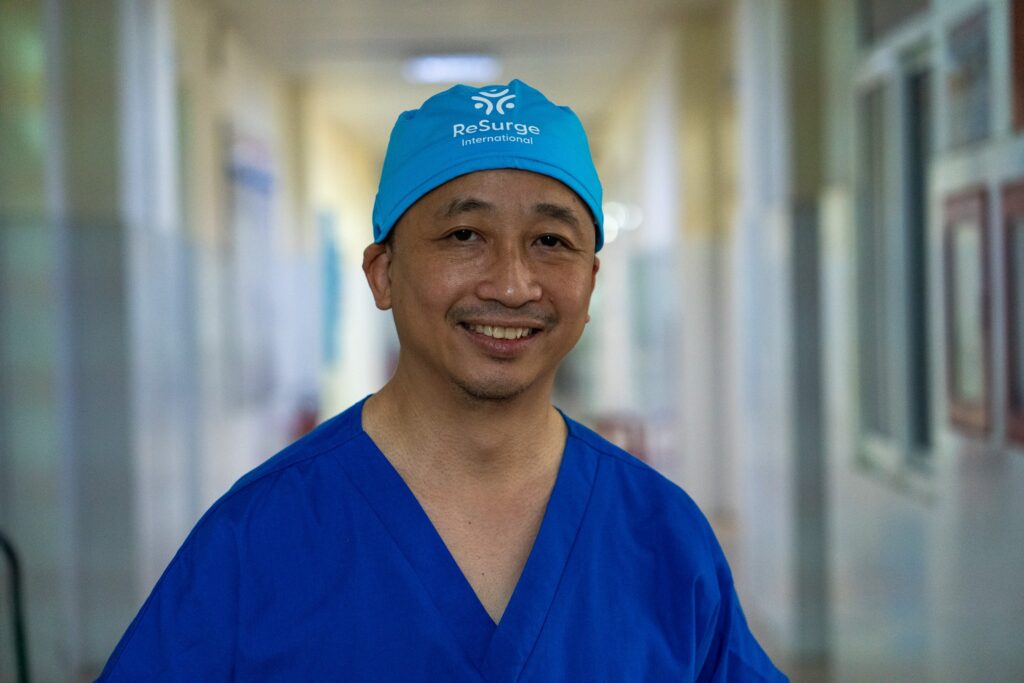
ReSurge’s breast cancer care program in Vietnam is the first of its kind in the region. At its center is Dr. Trung Hau Lê Thua, a ReSurge surgical partner and the first plastic surgeon in Central Vietnam to perform breast cancer reconstruction. Dr. Trung Hau and his team typically perform one to two breast reconstruction surgeries per week — procedures that simply would not exist in the region without his pioneering work and ReSurge’s investment in his training and capacity.
ReSurge also deploys Medical Volunteers, including Dr. Dung Nguyen, Director of Breast Reconstruction at Stanford, and Dr. Suzanne Inchauste, a plastic surgeon at UW Medicine’s Center for Reconstructive Surgery, to train alongside Dr. Trung Hau’s residents and other surgical trainees. This ensures that knowledge is transferred and multiplied locally, not dependent on any single visiting expert.
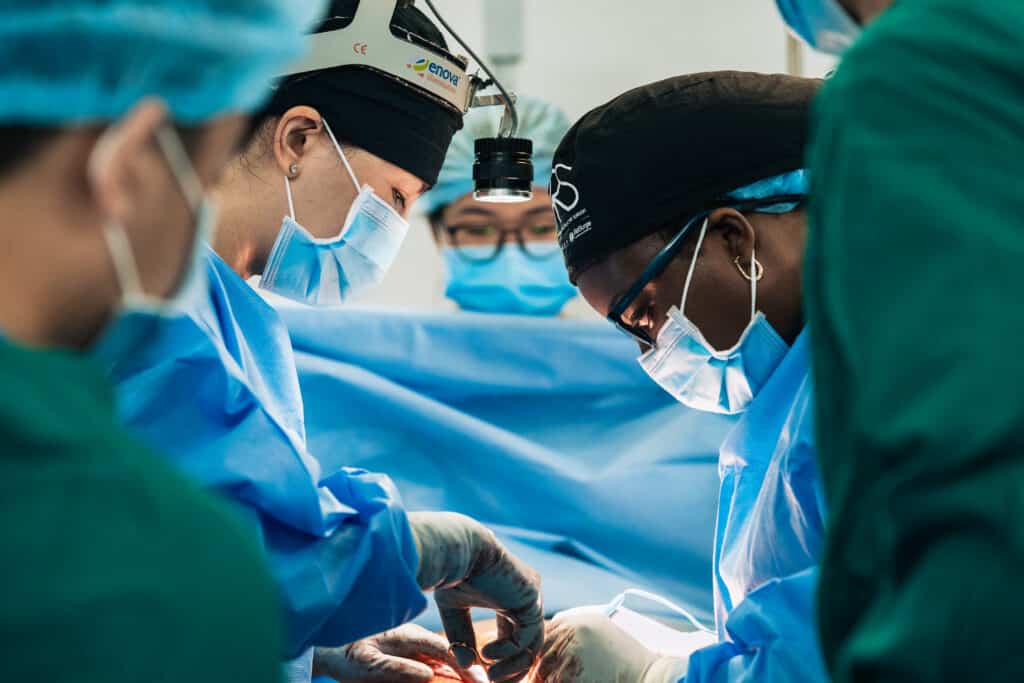
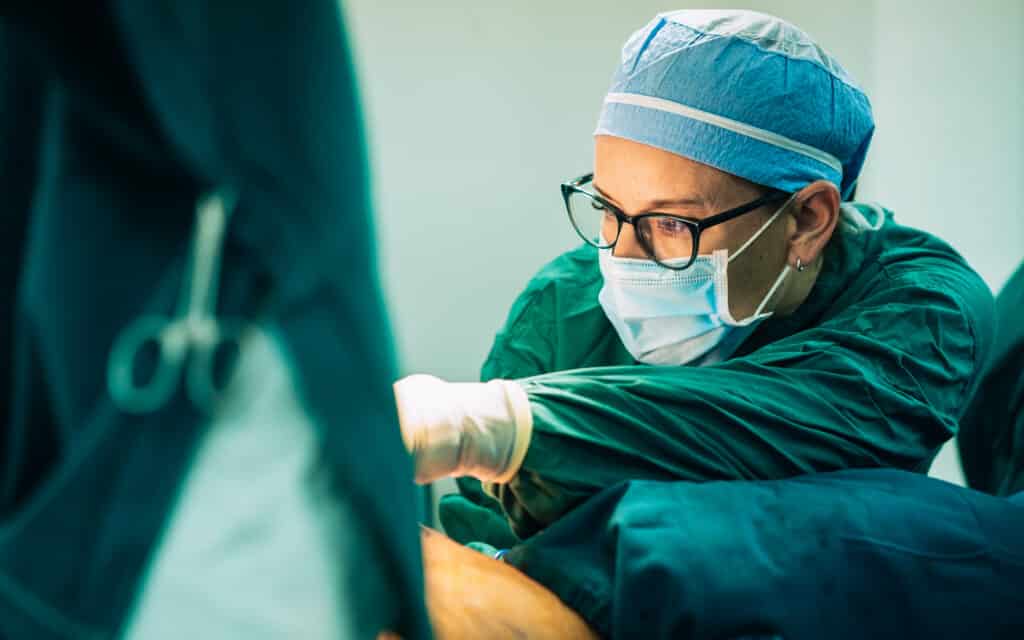
The long-term impact of that investment is significant — and now quantified. Published in Plastic and Reconstructive Surgery – Global Open, a groundbreaking ReSurge and Stanford University study introduced the first-ever framework for measuring a single surgeon’s impact across multiple generations of trainees. Co-authored by ReSurge Consulting Medical Officer and Stanford Chief of Plastic Surgery Dr. James Chang, ReSurge Executive Vice President of Programs and PartnershipsNatalie Meyers, MPH, and Dr. Lawrence Cai of Google Health, the research found that just one surgeon in a low-income country can treat 10,000 patients in their career — and if they become a full-time surgeon-trainer, they can transform over 400,000 lives in their lifetime through their succeeding trainees. Every surgeon ReSurge trains is not just one provider. They are a multiplier for their patients, their residents, and generations of women.
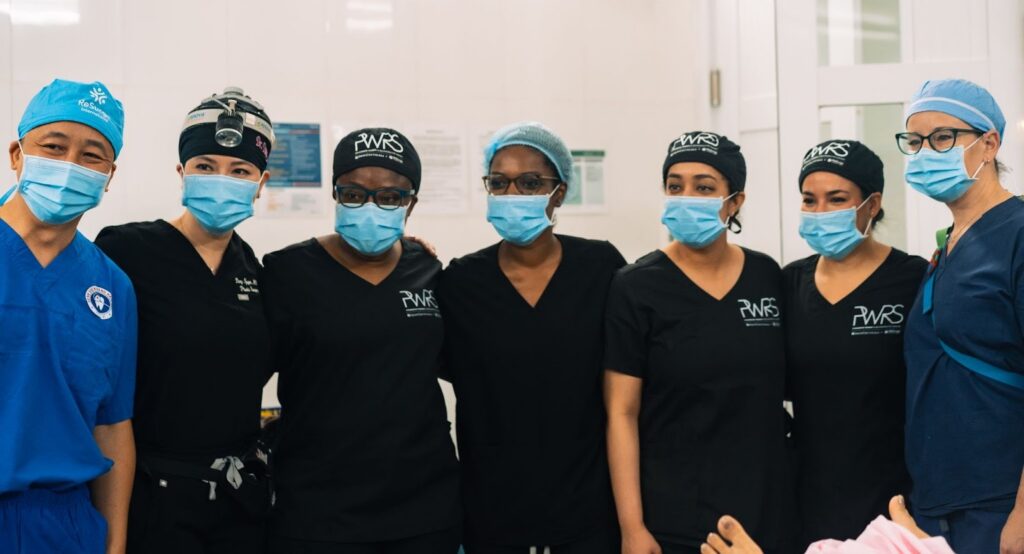
Through the Pioneering Women in Reconstructive Surgery (PWRS) Program, ReSurge also trains women surgeons from around the globe to deliver and pioneer access to breast cancer care in their home countries, extending the reach of this work far beyond any single region.
Who Is Pioneering Breast Reconstruction in Central Vietnam?
Dr. Trung Hau Lê Thua is the first plastic surgeon in Central Vietnam to perform breast reconstruction surgery — and his work is reshaping what’s possible for women across the region.
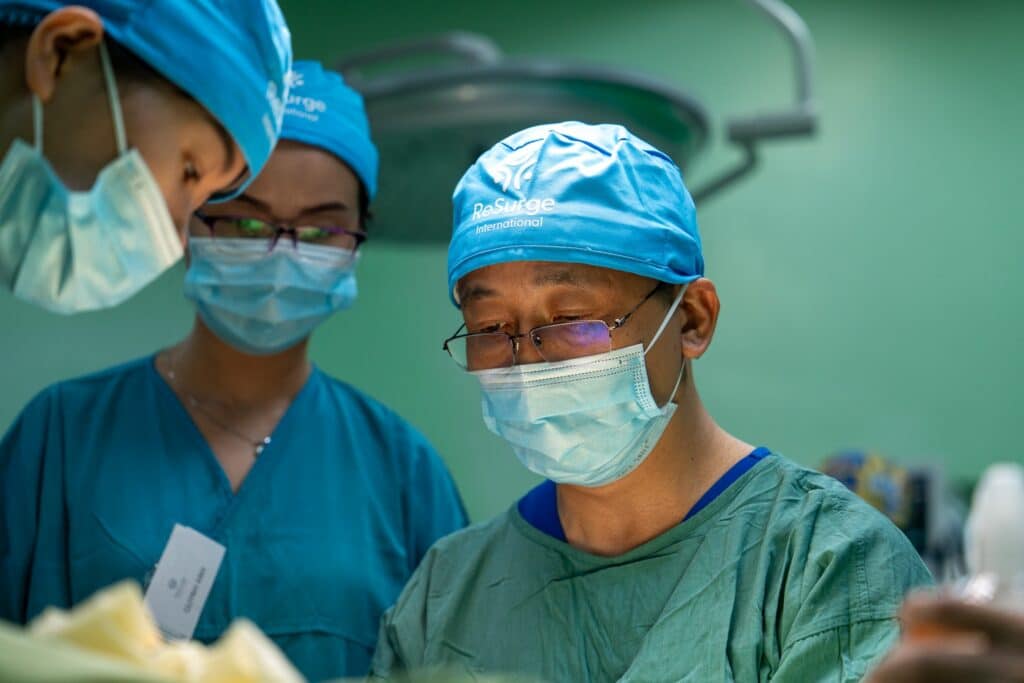
Before his partnership with ReSurge, breast reconstruction was virtually nonexistent in Central Vietnam. Women who underwent mastectomies had no pathway to reconstructive care, and many were unaware the option even existed. Dr. Trung Hau changed that. With support from ReSurge’s training programs and visiting medical volunteers, he built the first program of its kind in the region — one that is expanding access to comprehensive breast cancer care for women who previously had none.
His impact extends well beyond the operating table. Many of Dr. Trung Hau’s patients have gone on to form and lead cancer support communities, creating a ripple effect that continues to reach more women throughout Vietnam.
What Is the Pink Bows — and Why Does It Matter for Breast Cancer Survivors?
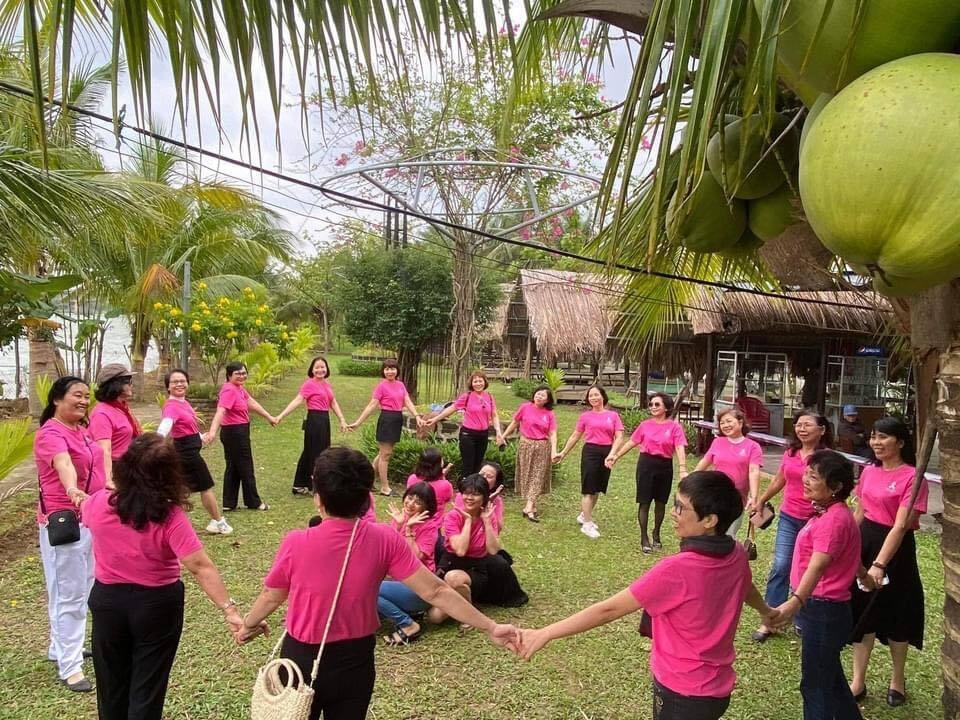
The Pink Bows is a community of more than 100 breast cancer survivors in Vietnam who meet regularly to support, motivate, and inform one another — and to ensure that more women learn about breast reconstruction and the care they deserve.
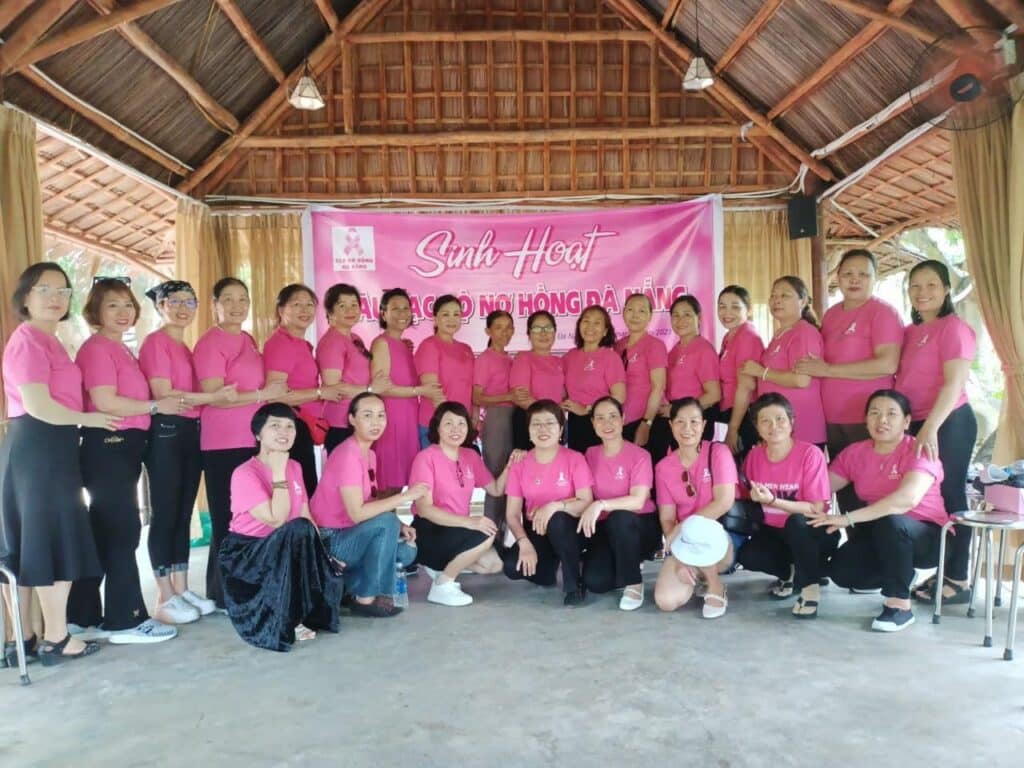
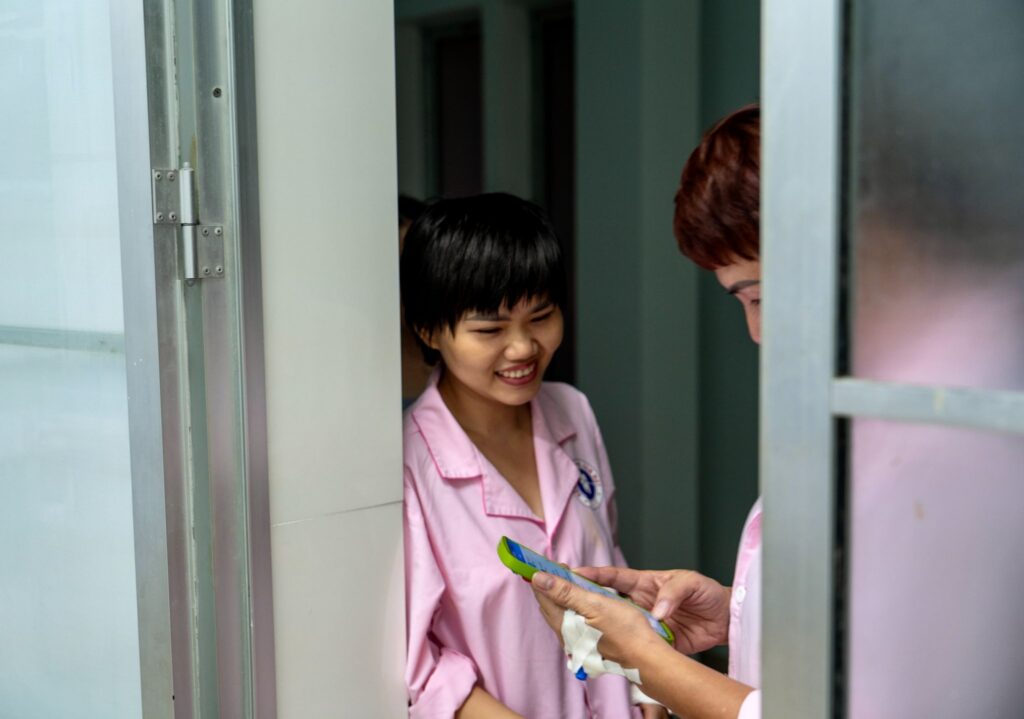
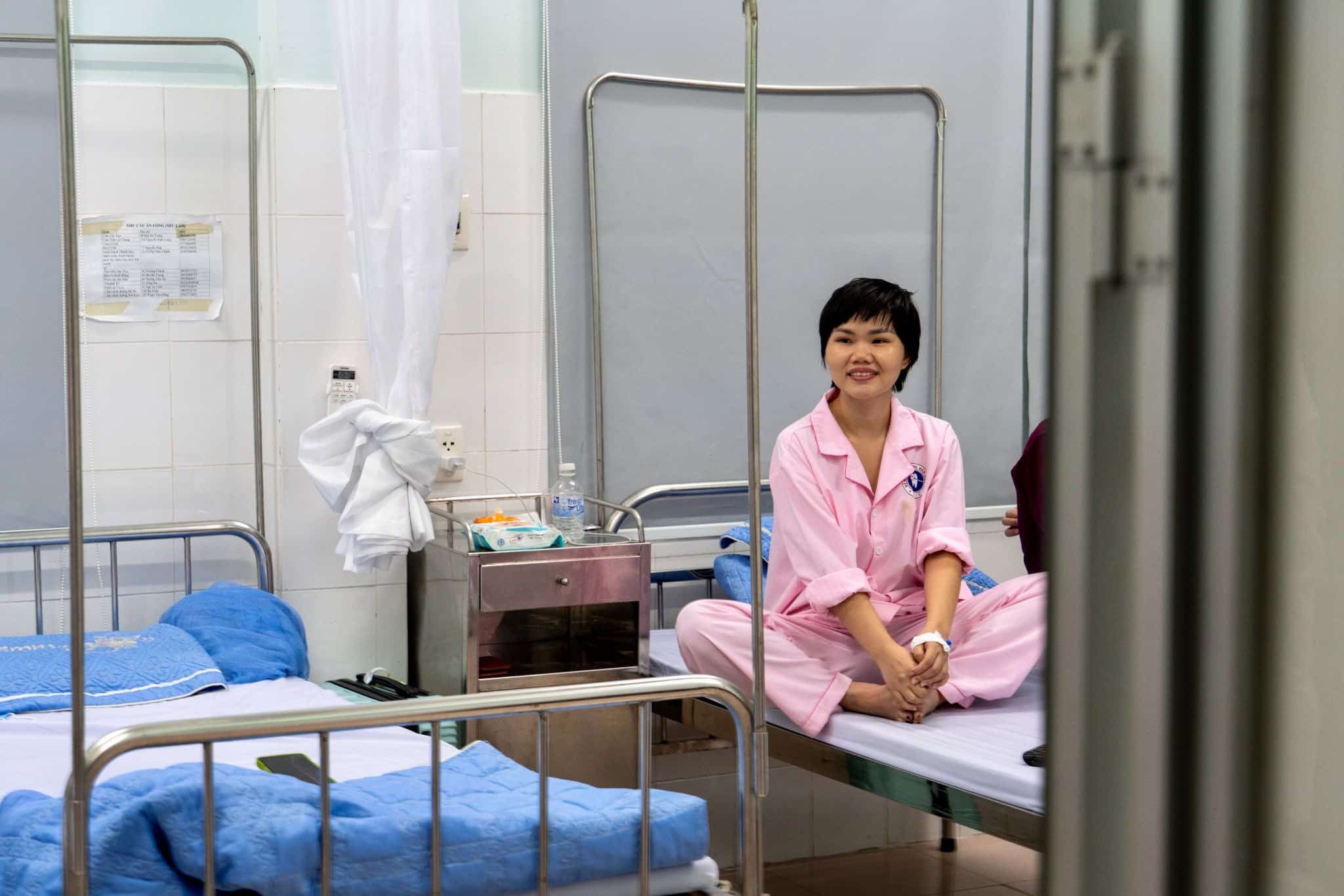
The group was inspired, in part, by Son Hoang, a ReSurge patient and breast cancer survivor who received life-changing reconstructive surgery from Dr. Trung Hau. After her procedure, Son felt transformed. But while still recovering in the hospital, she saw the pain and sorrow on the faces of other patients and their families. She encountered other women facing breast cancer while picking up her medication and found herself wondering how they were holding up. She craved a community — one that could both give and receive support.
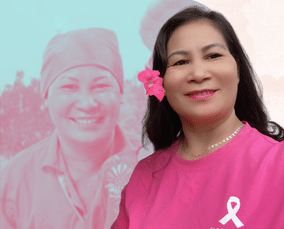
Son became a leader of the Pink Bows, channeling her own experience into collective action. The group’s vision goes beyond mutual support: they want to ensure that more women know about reconstructive surgery so that they, too, can benefit from the life-changing procedure.
Communities like the Pink Bows are a direct expression of ReSurge’s ripple effect — patients becoming advocates, survivors becoming leaders, and local movements building the awareness and demand that sustainable access requires.
ReSurge at the NYPSG Breast Cancer Summit: Bringing Vietnam’s Story to the Broader Breast Cancer Community
The work happening in Vietnam isn’t just changing lives locally — it’s drawing recognition from the broader breast cancer community as a model worth amplifying. ReSurge was proud to participate in the New York Plastic Surgical Group’s (NYPSG) Breast Cancer Summit last year, where ReSurge was highlighted for its work providing access to breast cancer care for women in Vietnam.
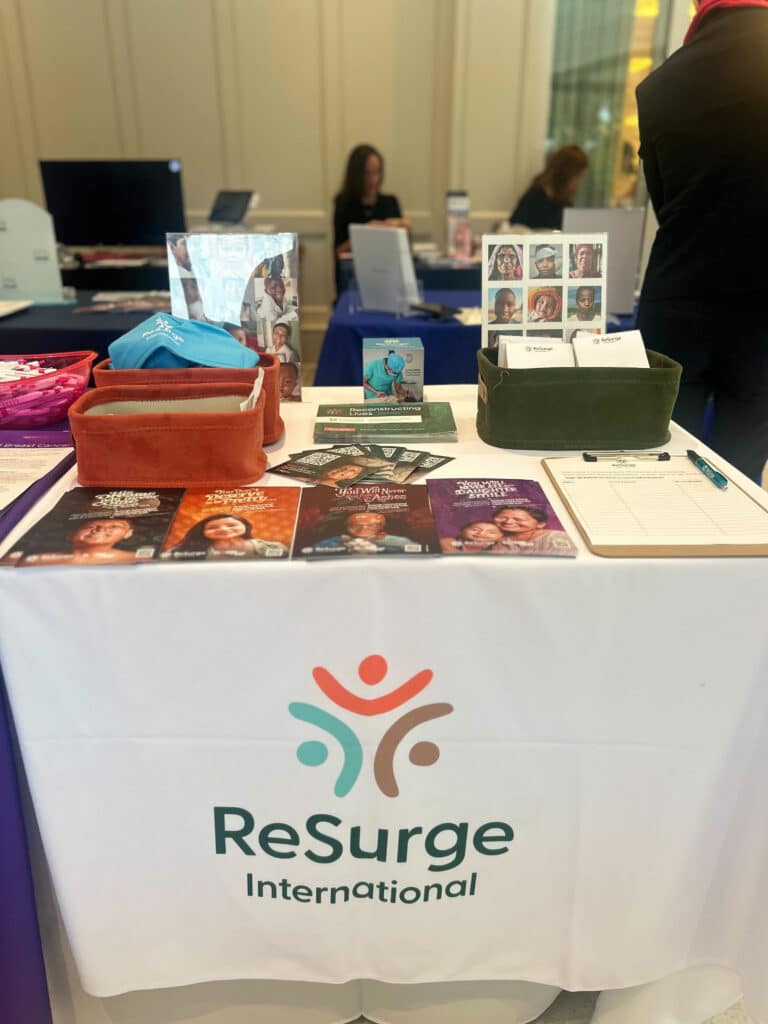
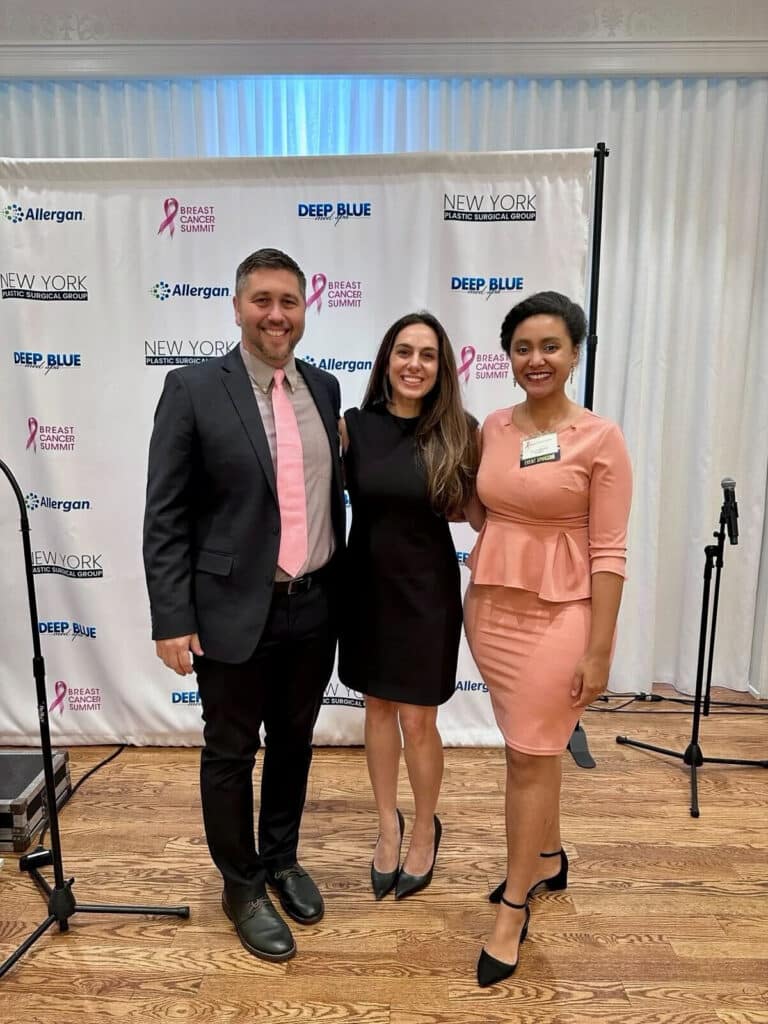
The summit brought together real-life survivor stories alongside expert presentations on topics central to the breast cancer community today, including AI and breast cancer detection, mental health and breast cancer, and access to life-changing breast reconstruction worldwide. ReSurge’s presence in that conversation alongside leading clinicians and advocates reflects how the work being built in places like Central Vietnam speaks directly to the challenges the entire breast cancer world is working to solve.
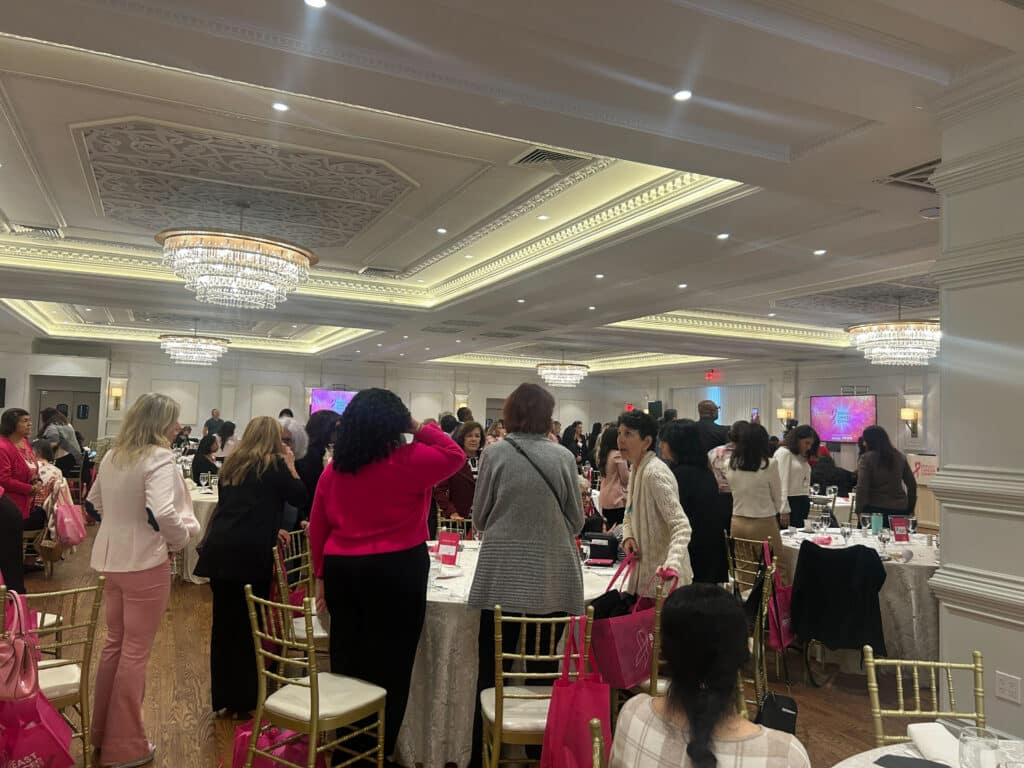
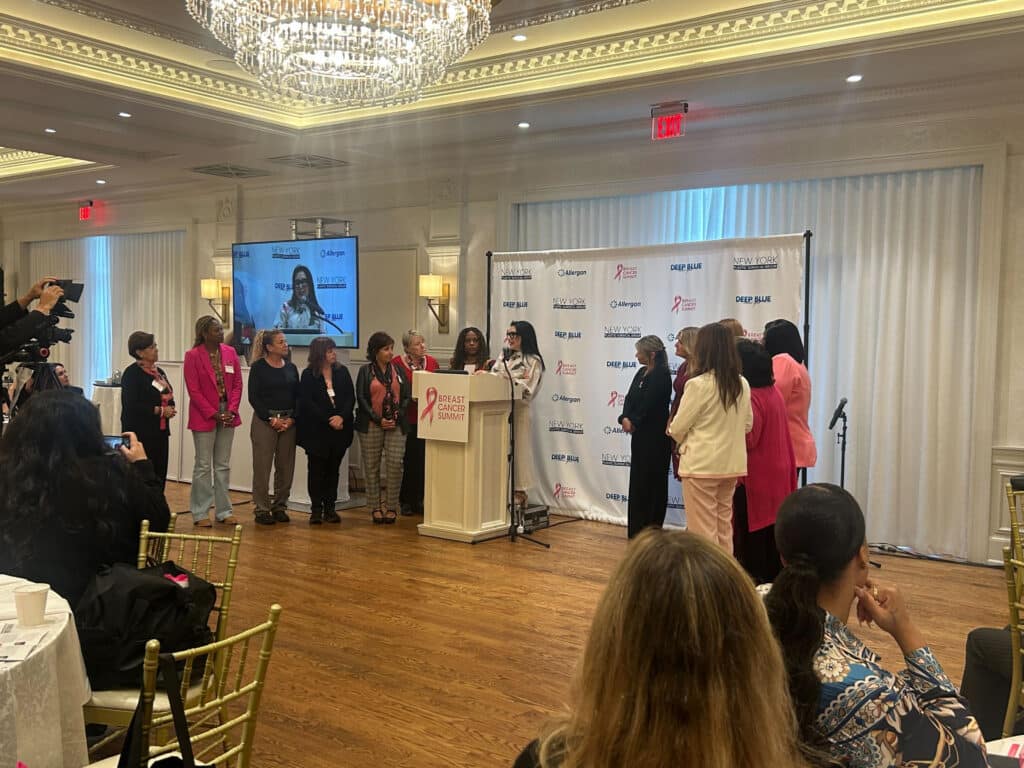
The energy in the room was unmistakable: a community of survivors, clinicians, and advocates who showed up unapologetically, in full solidarity with one another. Moments like that reinforce exactly why the NYPSG and ReSurge partner to deliver in-country access to breast cancer care in communities where it is needed most.
ReSurge at the United Nations: Taking the Case for Breast Reconstruction to the Global Stage
That recognition extends beyond the breast cancer community, all the way to one of the world’s most visible global health and advocacy stages.
In March 2025, ReSurge hosted an in-person panel at the 70th Session of the United Nations Commission on the Status of Women (UNCSW) in New York City — for the third consecutive year. In partnership with the University of Global Health Equity based in Rwanda, and facilitated by Natalie Meyers, ReSurge’s Executive Vice President of Programs and Partnerships, the panel convened policymakers, global health advocates, and women’s rights leaders to examine one central question: why is breast reconstruction still treated as a luxury?
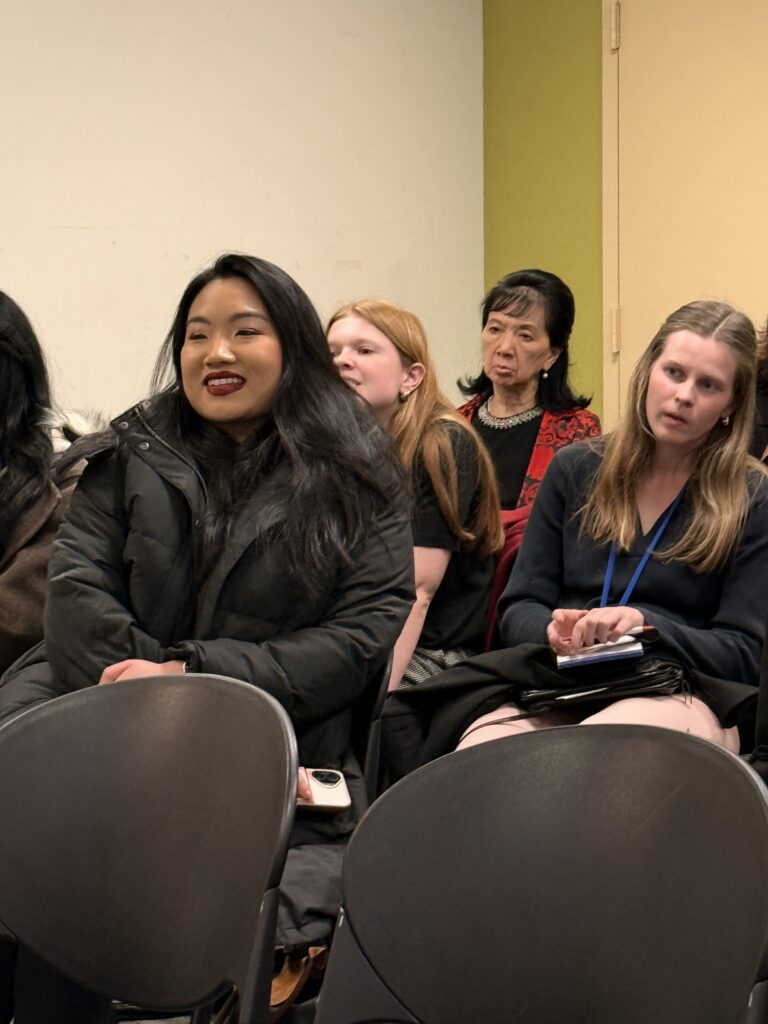
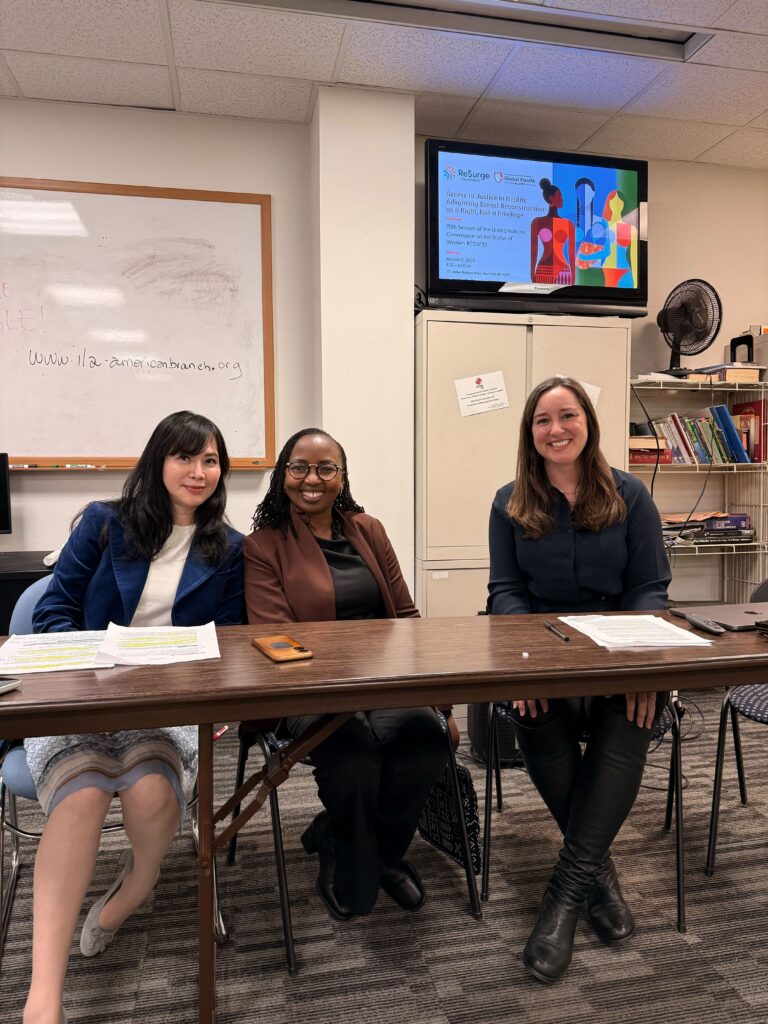
The answer came from two voices who together captured both sides of the crisis.
Dr. Dung Nguyen, ReSurge volunteer and Director of the Stanford Breast Reconstruction Center, spoke to the clinical reality — the surgeon shortages, the training gaps, and what it takes to build sustainable access to reconstructive care in low-resource settings. His presence connected the room’s policy conversation directly to the operating rooms where that work actually happens.
Muthoni Mate, an epidemiologist, breast cancer survivor, and founder of The Cancer Café in Kenya, brought what no data point can capture alone: lived experience. Her story of navigating breast cancer in a system that offered no path to reconstruction put a human face on a global equity crisis — and made the stakes impossible to ignore.
Together, they charted actionable pathways toward comprehensive post-cancer treatment for women everywhere, reframing reconstruction not as a cosmetic afterthought but as a core component of dignified cancer care.
“The passion with which the speakers shared their stories was so genuine and humbling… I couldn’t be prouder to be part of this organization.” — Ingrid Crocco, ReSurge Nurse Volunteer and Supporter
ReSurge’s presence at the UN for three consecutive years is a signal: this is not a one-time moment. It is a sustained commitment to making breast reconstruction a recognized global health equity issue — one that belongs in the same policy conversations as access to treatment, early detection, and cancer survivorship. This work was also recognized in Devex, which featured ReSurge’s approach to framing breast reconstruction as a matter of equity in global cancer care.
From Vietnam to Africa: How ReSurge Is Expanding Access to Breast Reconstruction Globally
The model ReSurge built in places like Vietnam is now crossing continents.
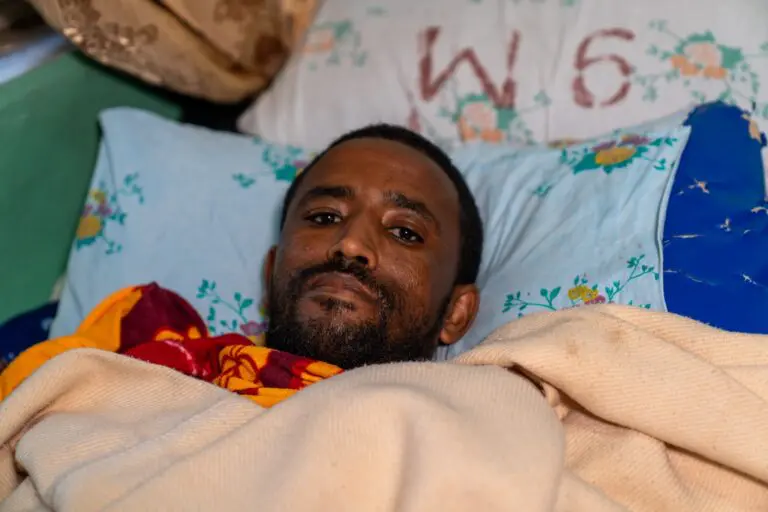
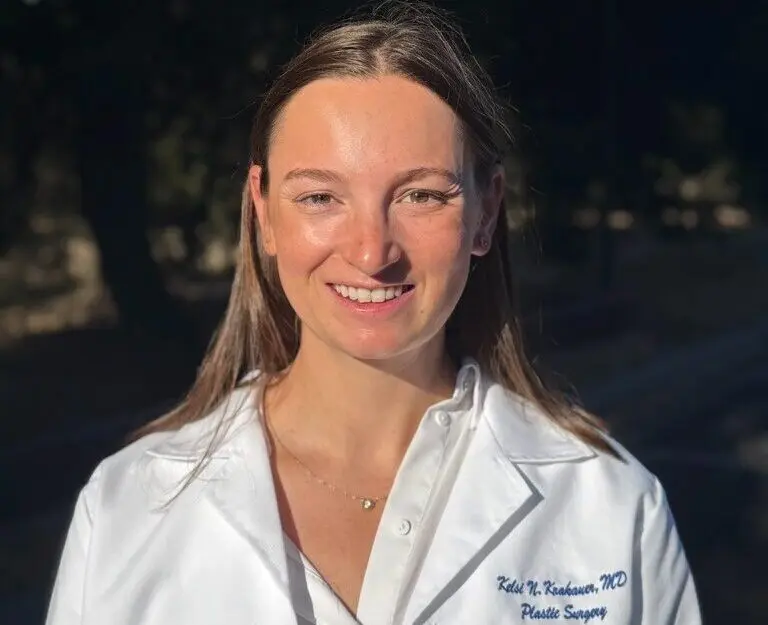
Dr. Hellina Legesse Mamo, a reconstructive surgeon at ALERT Hospital in Addis Ababa and a member of ReSurge’s Pioneering Women in Reconstructive Surgery (PWRS) program, has seen this multiplier effect firsthand. One of her patients, Abeba, survived breast cancer; her tumor was caught, she had a double mastectomy, and she was sent home. No one mentioned reconstruction. No one told her it was even an option.
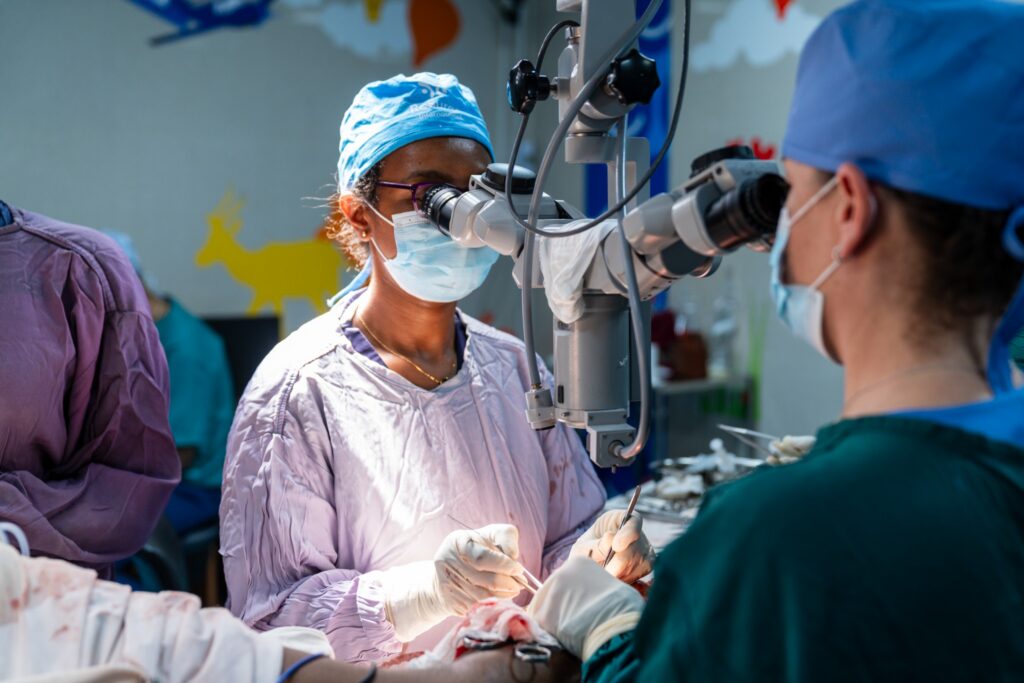
When Abeba found out it was, she came forward. She became the first patient at ALERT Hospital — possibly the first in Ethiopia — to undergo autologous breast reconstruction, a procedure that rebuilds the breast using the patient’s own living tissue. Dr. Hellina was part of that surgery.
“I co-authored a piece on this for Devex recently, arguing that reconstruction is a matter of equity in cancer care and that Vietnam’s model could become Africa’s future. That’s not a distant hope. It’s already starting.” — Dr. Hellina Legesse Mamo, ReSurge Surgical Partner, ALERT Hospital, Addis Ababa, Ethiopia
Dr. Hellina trained alongside ReSurge volunteer surgeons at ALERT Hospital, and is now helping build what could be the first center in Ethiopia to offer breast reconstruction, so women like Abeba have a real choice after cancer, not just survival.
What Is ReSurge’s Vision for the Future of Breast Cancer Care?
ReSurge International’s vision is a world where every woman who needs breast reconstruction after mastectomy can access it, regardless of where she lives, how much she earns, or what cultural barriers she faces.
The mission is twofold: provide critical, no-cost care to breast cancer survivors who cannot afford or access reconstructive surgery today, and train a new generation of local surgeons who will deliver and expand that care tomorrow. From the operating rooms of Central Vietnam to the chambers of the United Nations, every piece of this work is connected — ground-level impact that informs global advocacy, and global advocacy that creates the conditions for ground-level impact to grow.
With a first-of-its-kind breast cancer care program in Vietnam, a growing network of trained surgeons and women surgical pioneers through PWRS, and a consistent presence at the UN Commission on the Status of Women, ReSurge is demonstrating that sustainable access to breast reconstruction is not only possible — it is already being built.
One surgery. One surgeon. One community at a time.