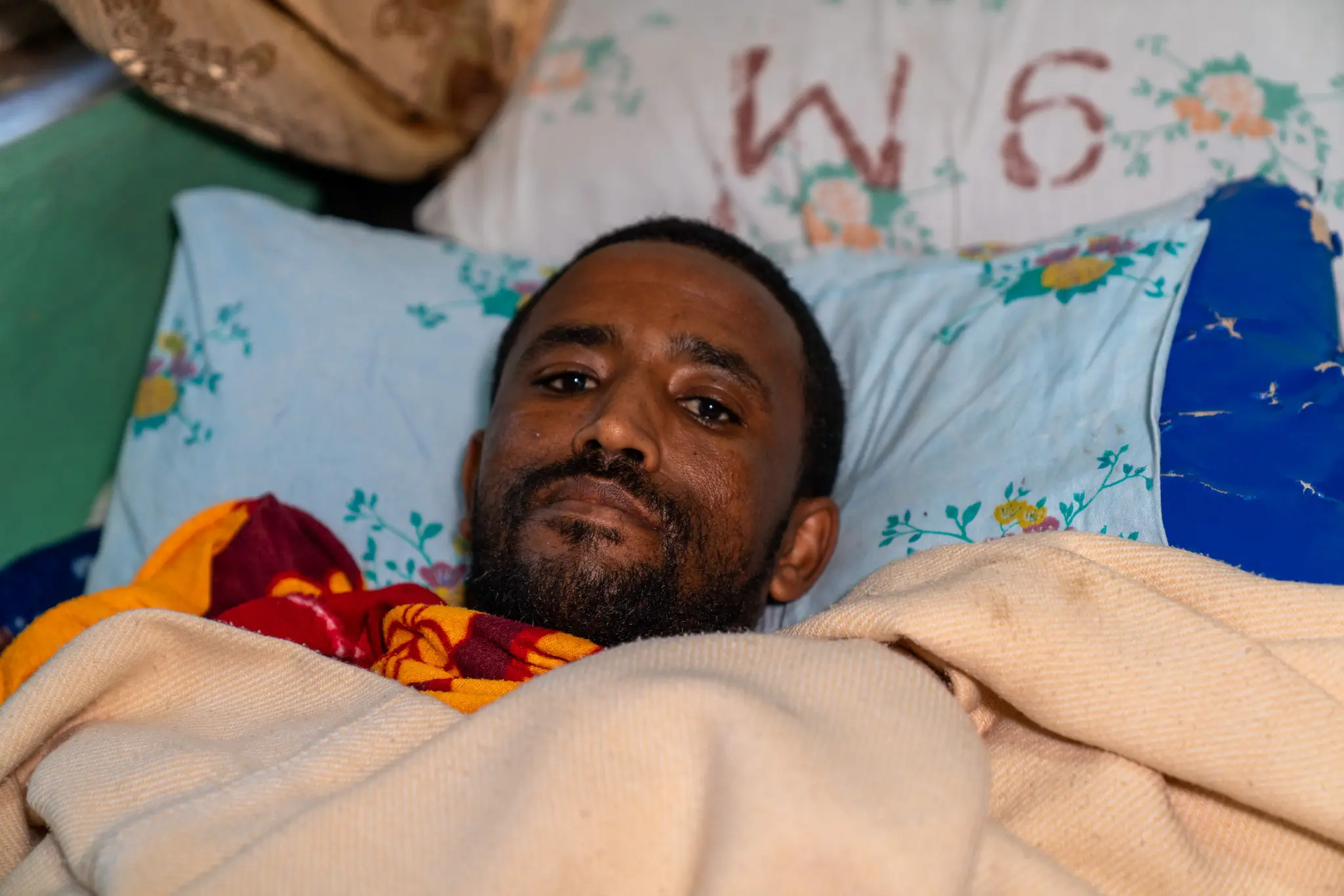
A garment worker from Addis Ababa. A devastating accident. And a surgical team that refused to give up.
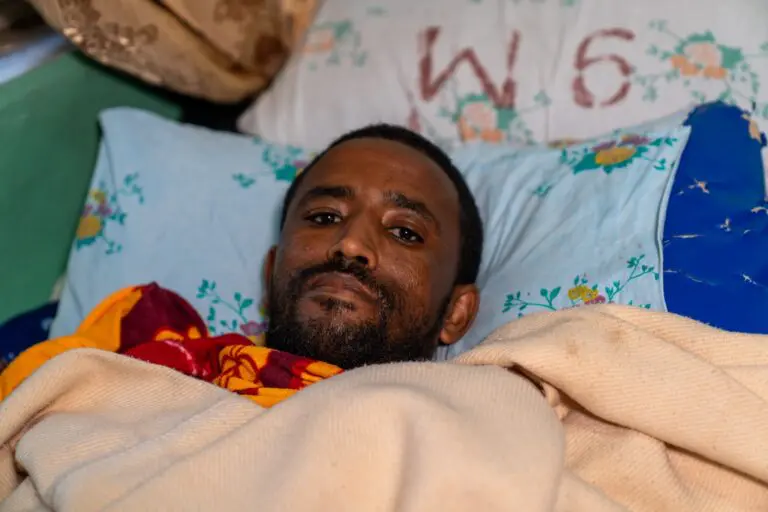
Cherugeta is a quiet man of faith, with steady hands and a strong heart. A garment worker from Addis Ababa, Ethiopia, he spent years stitching women’s clothing — cutting fabric, sewing hems, and turning raw materials into finished beauty. In his own way, he was a kind of fabric surgeon, supporting himself and his family with patience, skill, and dedication.
But one morning, everything changed.
After attending church, Cherugeta was walking home when he attempted to cross a busy road. As a large truck barreled toward him, he stepped back to avoid a collision — only to be struck by another massive vehicle coming from the opposite direction. The impact was devastating.
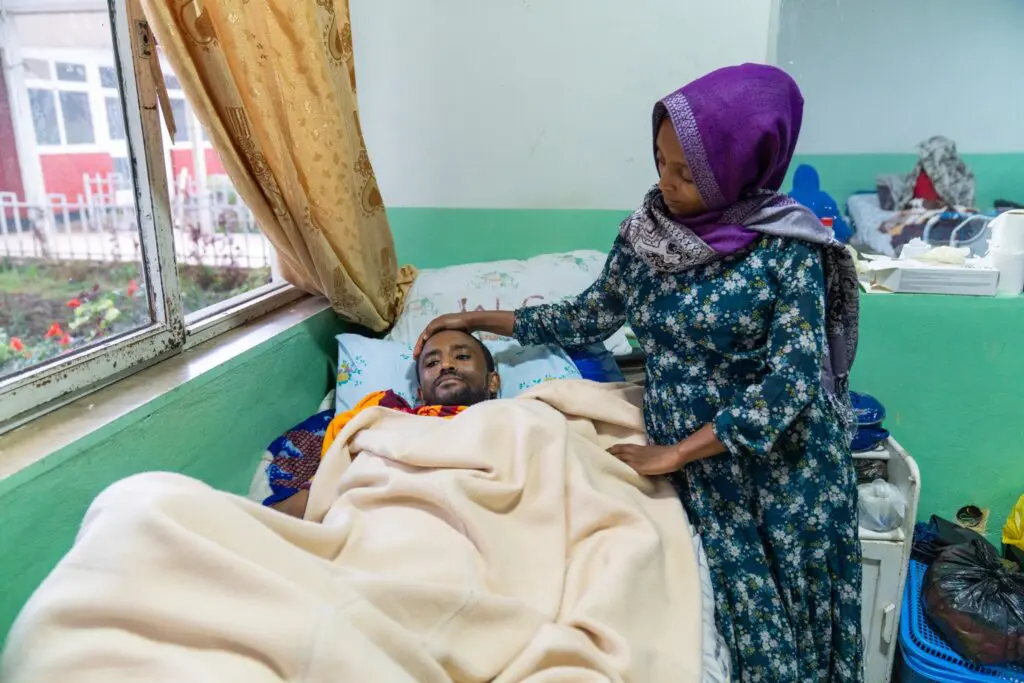
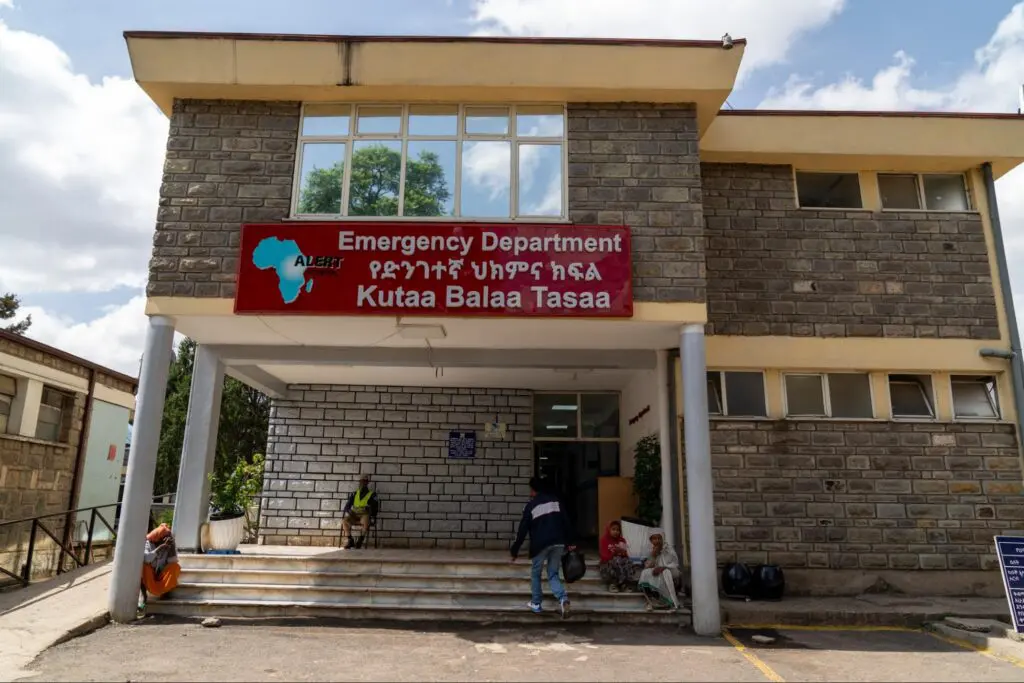
Amazingly, Cherugeta never lost consciousness. Strangers rushed to his aid, located his brother’s phone number, and brought him to a nearby clinic. From there, he was transferred to ALERT Hospital, a surgical teaching site in Addis Ababa where ReSurge International partners with local teams to expand access to advanced reconstructive care.
His injuries were severe — a complex upper leg wound that put his limb at serious risk.
Why Access to Reconstructive Surgery in Ethiopia Is So Critical
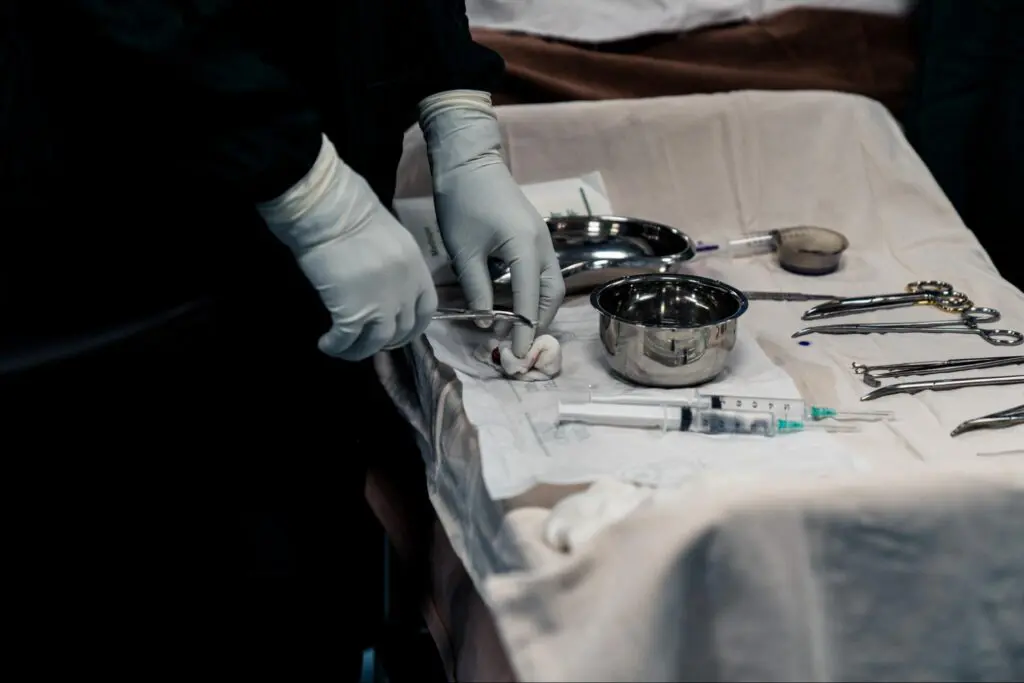
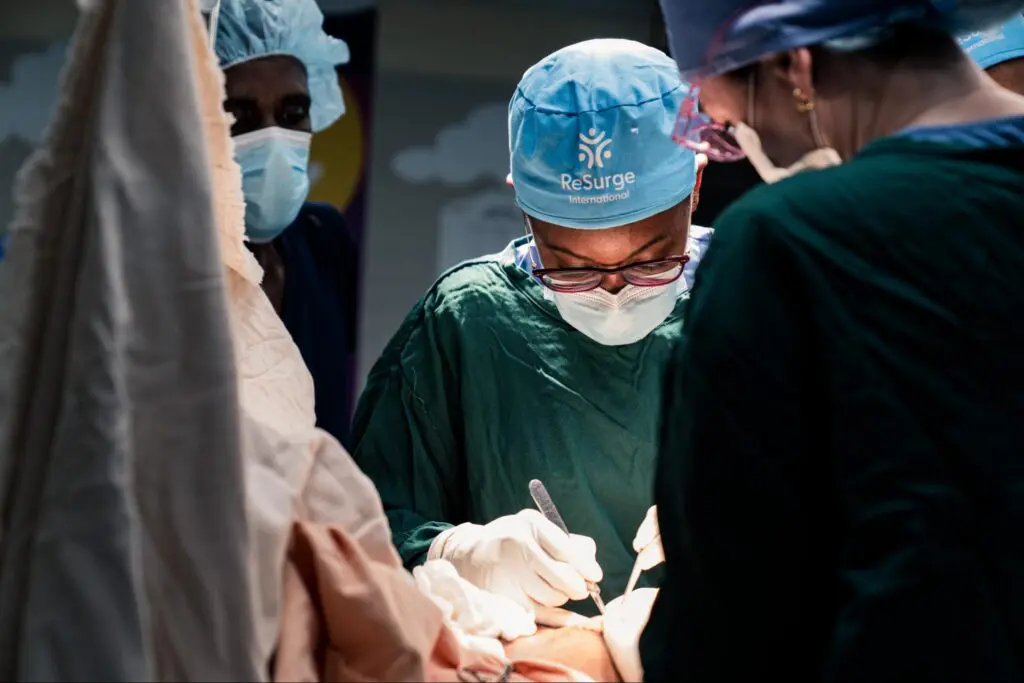
Microsurgery is among the most complex forms of surgery in the world. It involves reconnecting blood vessels and nerves that are often less than a millimeter wide, requiring immense precision and skill. In high-income countries, microsurgery is used routinely to save limbs and lives.
In Ethiopia and across sub-Saharan Africa, access is a different story. The region has roughly one reconstructive surgeon per ten million people — compared to one per fifty thousand in the United States. For patients like Cherugeta, that gap can mean the difference between keeping a limb and losing it.
ReSurge International is working to close that gap — not by flying in foreign surgeons to treat individual patients, but by training local surgical teams to provide this care themselves, permanently.
The ReSurge Model: Train While You Treat
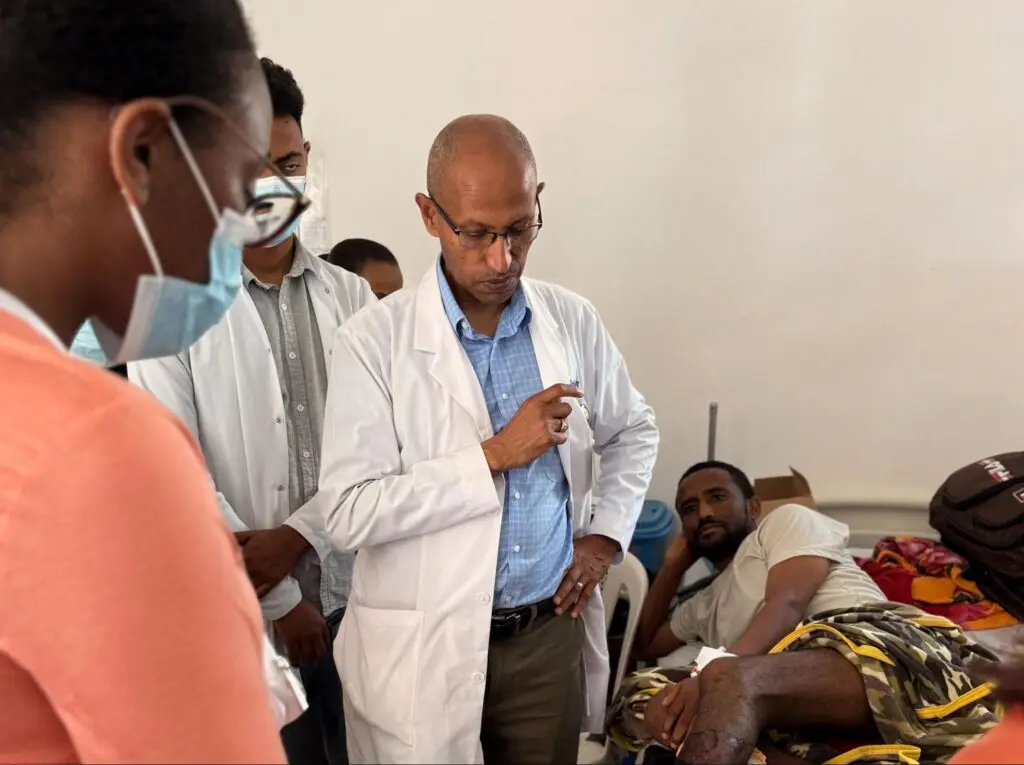
During Cherugeta’s hospitalization, a ReSurge team of expert microsurgical teaching volunteers was on-site at ReSurge’s partner site in Addis Ababa, ALERT Hospital, working directly alongside the team of Dr. Abraham Gebreegziabher, one of Ethiopia’s leading reconstructive surgeons and a key ReSurge partner. His complex case became a real-time training opportunity — the kind of hands-on, in-country learning that builds lasting surgical capacity in ways that short-term medical missions cannot.
Cherugeta’s path to recovery required persistence from both patient and surgical team. When an initial free flap procedure did not take, his care team adapted quickly, performing a skin graft that ultimately allowed him to heal and return home.
To ensure this knowledge transfer extends to as many local surgeons as possible, ReSurge uses Proximie — an advanced surgical streaming platform that allows residents and surgical trainees to observe expert technique happening live in the OR, without crowding the operating room. This technology-enabled training means that a single expert visit can teach far more than the surgeons scrubbing in — it multiplies the learning across an entire team.
“I Just Want to Live with Purpose”
Cherugeta’s path to recovery required persistence from both patient and surgical team. When an initial free flap procedure did not take, his care team adapted quickly, performing a skin graft that ultimately allowed him to heal and return home.
To ensure this knowledge transfer extends to as many local surgeons as possible, ReSurge uses Proximie — an advanced surgical streaming platform that allows residents and surgical trainees to observe expert technique happening live in the OR, without crowding the operating room. This technology-enabled training means that a single expert visit can teach far more than the surgeons scrubbing in — it multiplies the learning across an entire team.
“I Just Want to Live with Purpose”
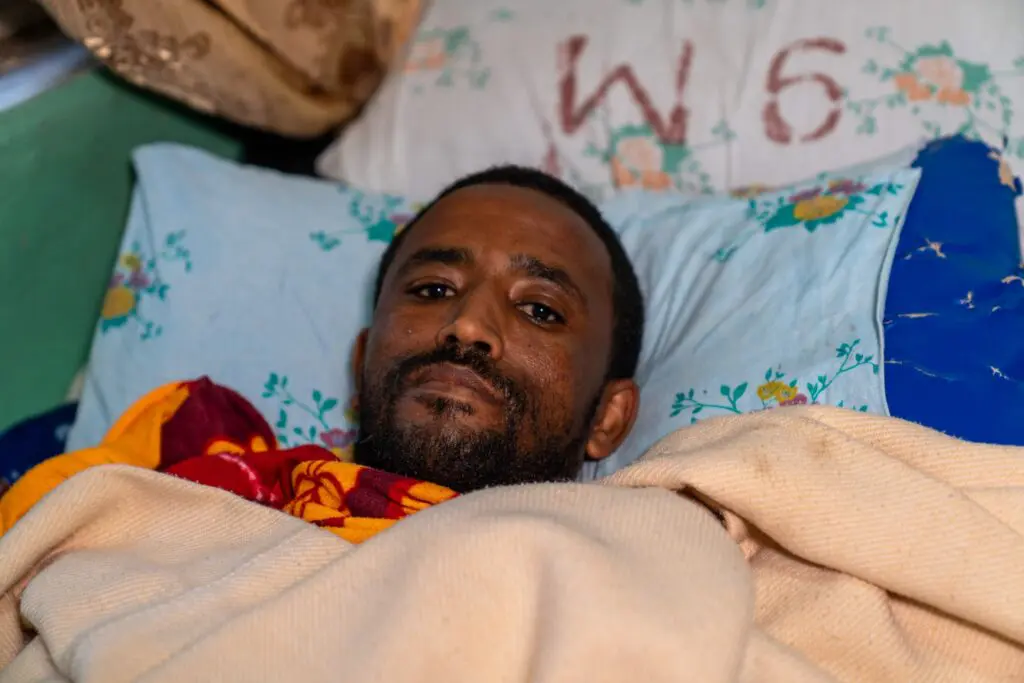
Cherugeta’s faith never wavered throughout his recovery. “Physicians are given their wisdom by God,” he said. “I wasn’t afraid. I just prayed that God would be with them and guide their hands.”
When asked about the future, his response was simple and powerful:
“Even if I had lost both legs, I would still want to work. I want to help my family. I want to help others. I just want to live with purpose.”
His life, like the fabric he once so carefully stitched together, has been rebuilt with courage, faith, and the support of a global community that believes no one should lose a limb because of where they live.
One year later, we checked in on Cherugeta. He is well — and back at work.