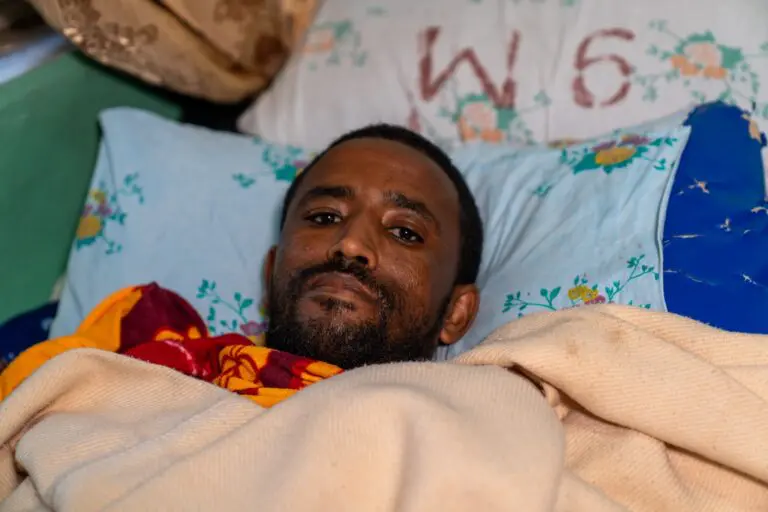
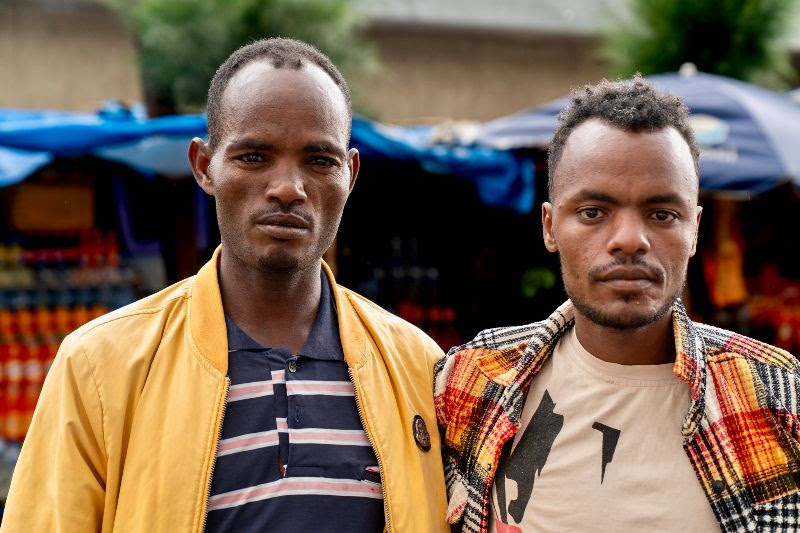
Fita was a motorcycle taxi driver in Sebata, Ethiopia, when his life changed in an instant. A devastating hit-and-run accident left him with a dislocated shoulder, a fractured upper arm, and multiple open wounds.
Having lost his parents at an early age, Fita feared not only the loss of his livelihood but also becoming a burden to his brother, Lemi, who already struggled to support his four children on a limited income.
Despite the challenges, Lemi stepped in to help without hesitation.
Through months of painful recovery, he stood by Fita’s side. What they lacked in resources, they made up for in resilience and brotherly love.
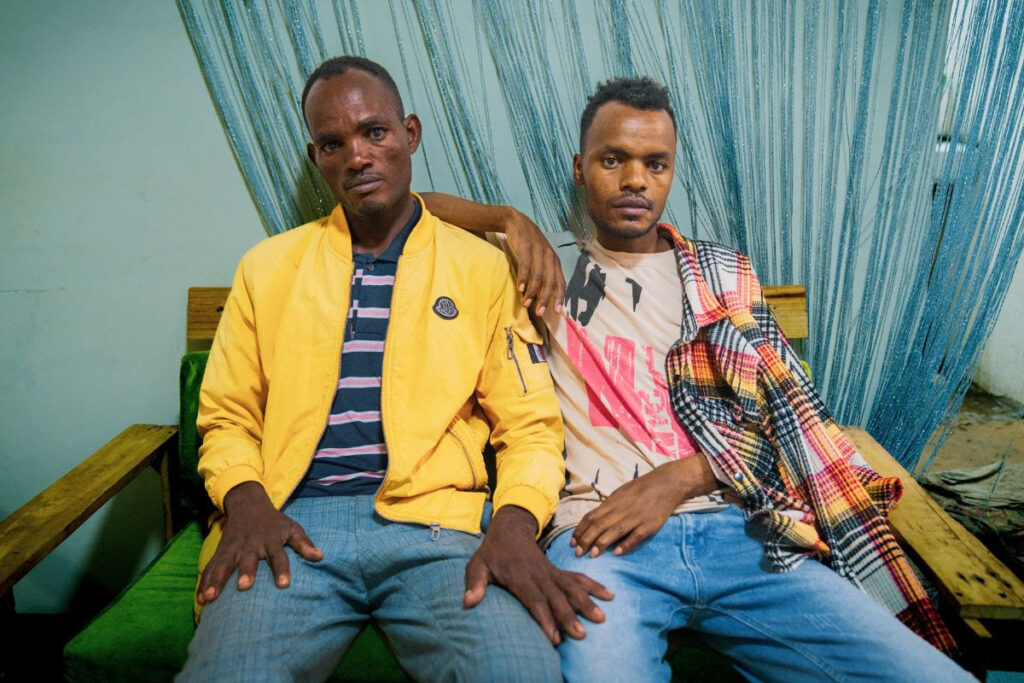
“It was very difficult. But he’s my brother. What else can I do?” – Lemi
Burns, trauma, and road traffic accidents—like the one Fita experienced—are all too common in low- and middle-income countries. In Ethiopia, limited road safety infrastructure, delayed emergency response, and overcrowded public transportation have contributed to a sharp rise in serious crashes. These injuries often have devastating consequences, leaving individuals unable to work or provide for their families, and deepening cycles of poverty.
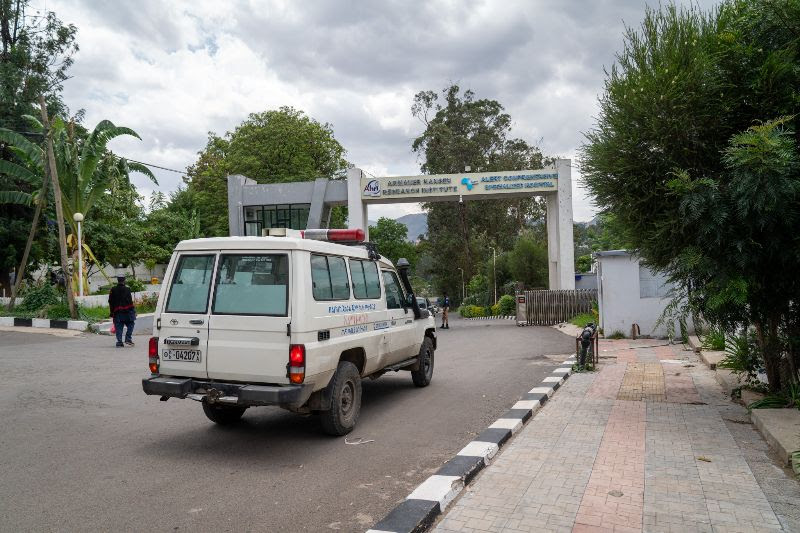
That’s where access to reconstructive surgical care comes in.
ReSurge is helping close the gap to reconstructive surgery by mentoring the next generation of Ethiopian surgeons in advanced microsurgical techniques – precision procedures that reconnect nerves, vessels, and tissues to restore mobility and dignity.
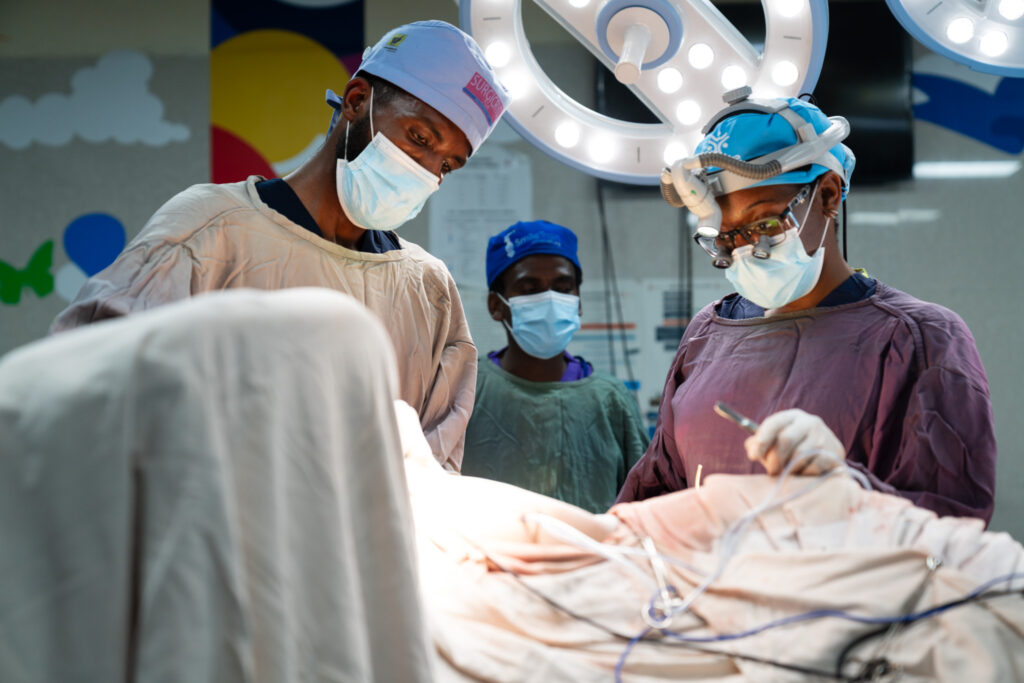
During a ReSurge Surgical Training Trip last year, Fita received a life-changing operation at no cost to him: a gracilis muscle flap, a delicate microsurgery to restore function in his arm.
Today, he has regained movement in his elbow.
“I felt hope again when I could finally flex my arm,” Fita said. “It made me believe more was possible.”
Fita not only dreams of working again, but he also dreams of helping his brother, just as Lemi helped him.