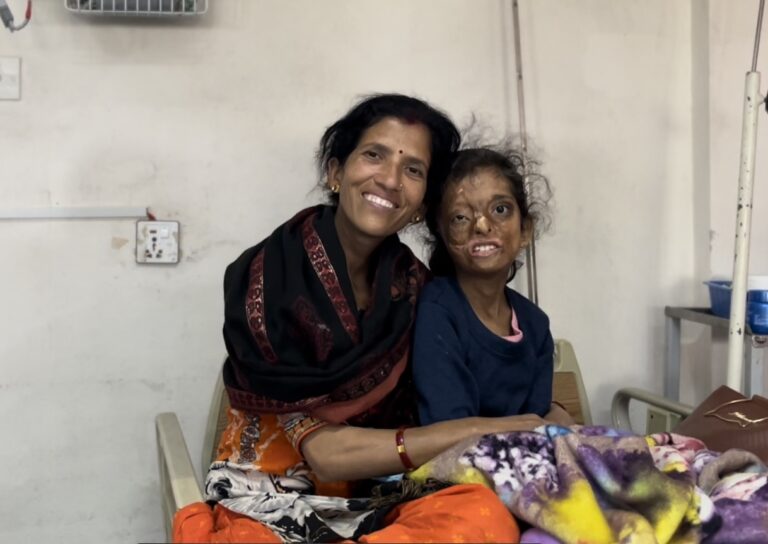
The shortage of reconstructive surgeons in low- and middle-income countries (LMICs) is a major barrier to addressing the global burden of surgical disease. This challenge is exacerbated by limited access to specialized training programs and educational resources. Although general surgery capacity in LMICs has grown in recent years, reconstructive surgery, which is essential for treating congenital anomalies, trauma, burns, and oncologic conditions, remains underrepresented.
Sub-Saharan Africa in particular has the most acute shortage of reconstructive surgeons. To put this in perspective, the U.S. has one reconstructive surgeon for every 50,000 people. Sub-Saharan Africa has only 1 reconstructive surgeon per 10 million people. ReSurge International, a global health nonprofit that has trained reconstructive surgical teams in low-income countries for more than 50 years, set out to close that gap.
The first-ever plastic and reconstructive surgery online curriculum in East, Central, and Southern Africa
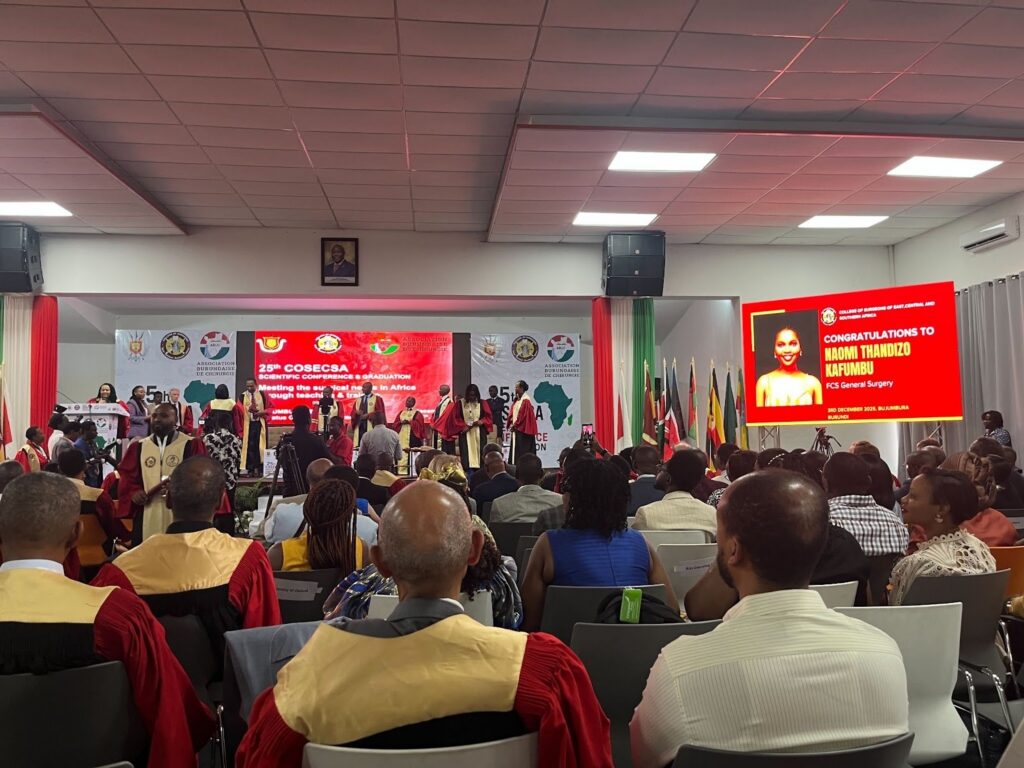
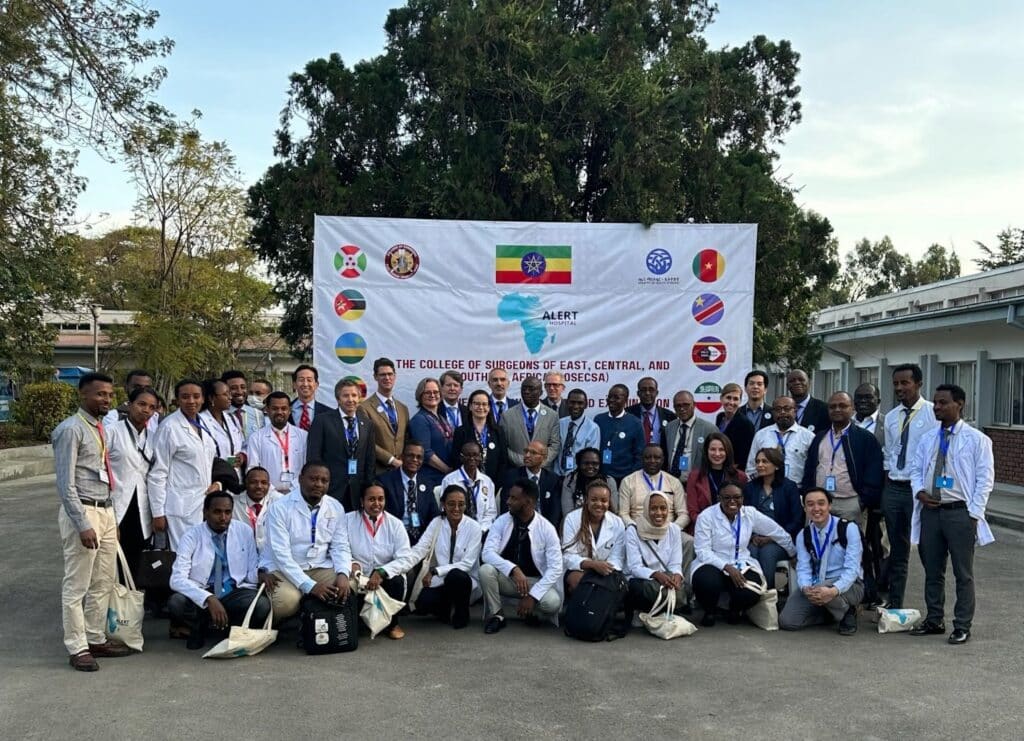
Alongside partners at the College of Surgeons of Eastern, Central, and Southern Africa (COSECSA), the largest surgical training institution in the region, and the Royal College of Surgeons of Ireland, ReSurge identified a critical unmet need: a core reconstructive surgery curriculum built specifically for low- and middle-income countries, incorporating local discussion cases from Africa.
Together, we developed COSECSA’s first-ever comprehensive reconstructive surgery curriculum and lecture series.
The resulting curriculum was designed for low-resource settings across 14 African countries. Importantly, it wasn’t exported from a Western institution. COSECSA faculty reviewed, edited, and approved every module, and contributed local clinical cases drawn from their own surgical practice, making it a resource built for East, Central, and Southern Africa, by the local surgical community. The curriculum was designed to complement in-person learning by providing structured, accessible content covering the full scope of plastic and reconstructive surgery.
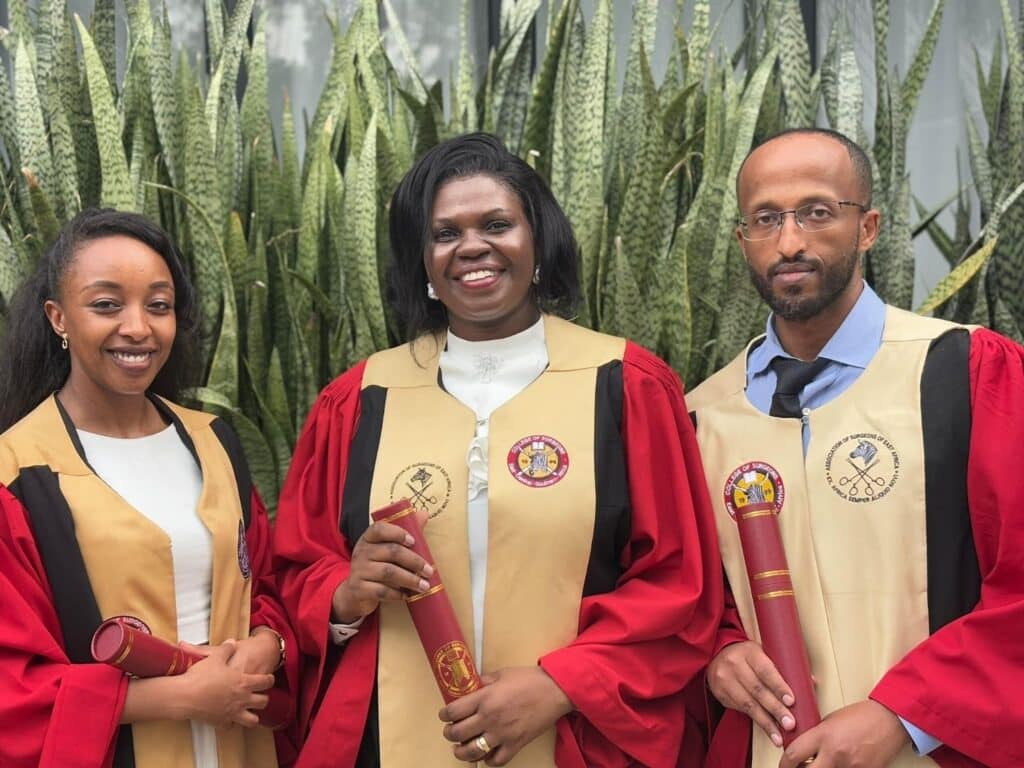
To identify the curriculum’s core content, the team drew on seminal reconstructive surgery textbooks, Stanford’s annual board exam review course, and the in-service exam content from the American Council of Academic Plastic Surgeons — ultimately distilling 26 topics that span the full head-to-toe spectrum of reconstructive surgery, from cleft lip repair to peripheral nerve injury. Each module pairs a content-expert surgeon’s 60-90 minute lecture, covering surgical anatomy, common injury patterns, and key techniques, with local case scenarios contributed by COSECSA program directors from their own clinical practice.
Evaluating the Online Curriculum
In 2026, we proudly published findings on the efficacy of this online reconstructive surgery curriculum in the Journal of Plastic, Reconstructive and Aesthetic Surgery. The study was authored by experts in the field, including ReSurge fellows, partners, volunteers, and staff: Dr. James Chang, Dr. Godfrey Muguti, Dr. Dharshan Sivaraj, Dr. Meewon Olivia Park, Dr. Rose Alenyo, Natalie Meyers, Niraj Suresh Bachheta, and Dr. Lawrence Cai.
Research Methods
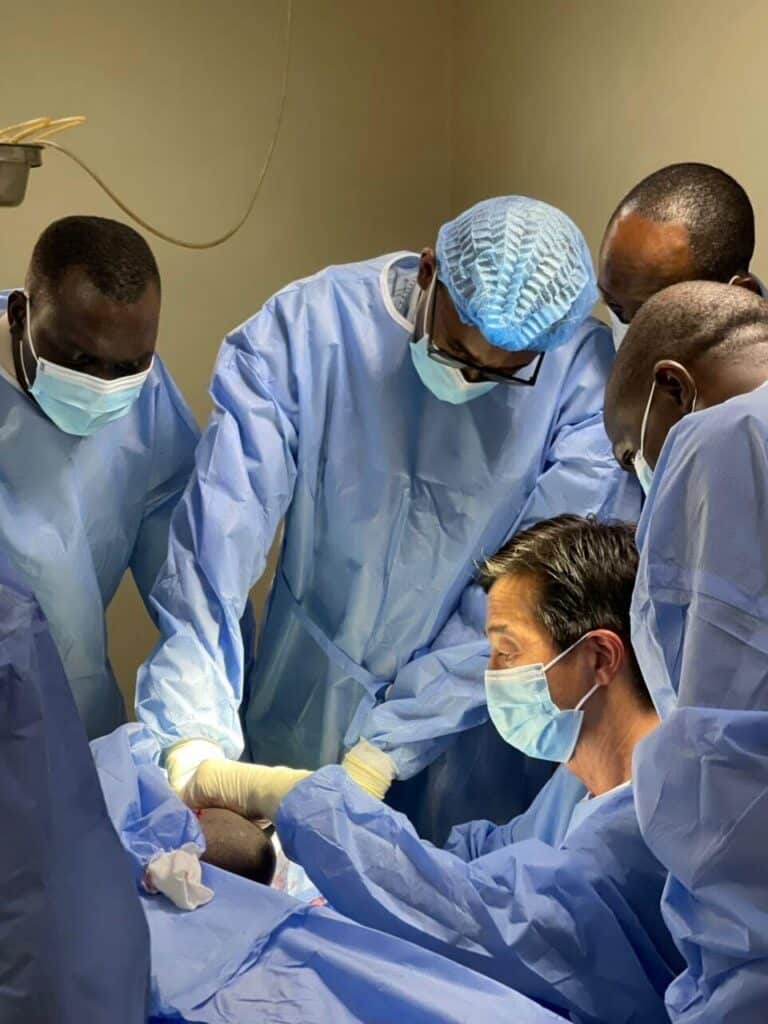
The online curriculum comprises 26 modules, each of which includes a pre-test, video lectures, reference slides, local case scenarios, and a post-test. Engagement metrics (module interactions and page views) and test scores were tracked over time. User satisfaction was assessed via feedback surveys, and knowledge improvement was gauged by comparing pre- and post-test scores. A discussion forum moderated by COSECSA faculty was also integrated to encourage peer collaboration. All learning modules are asynchronous, and trainees may engage at their own pace. A suggested three-year sequence was provided to guide learners through the modules.
Early Outcomes
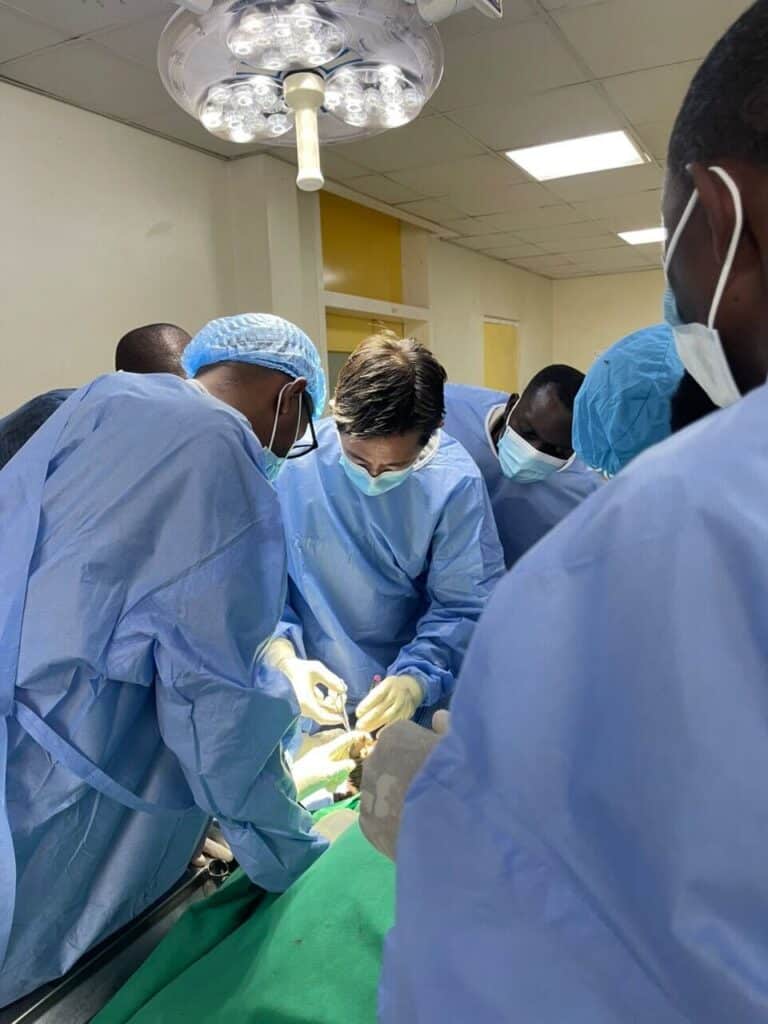
This online curriculum was associated with trainee engagement, improved knowledge, and positive user feedback, supporting its feasibility and usefulness as an educational resource in this setting. A total of 103 surgical trainees participated in the curriculum since its launch, with 68 individuals still actively enrolled at the time of analysis. Platform engagement has increased over time, with more than 29,000 cumulative module interactions and 45,000 cumulative page views recorded by month 30. The post-test scores improved significantly compared to pre-test scores across all modules.
Why this matters
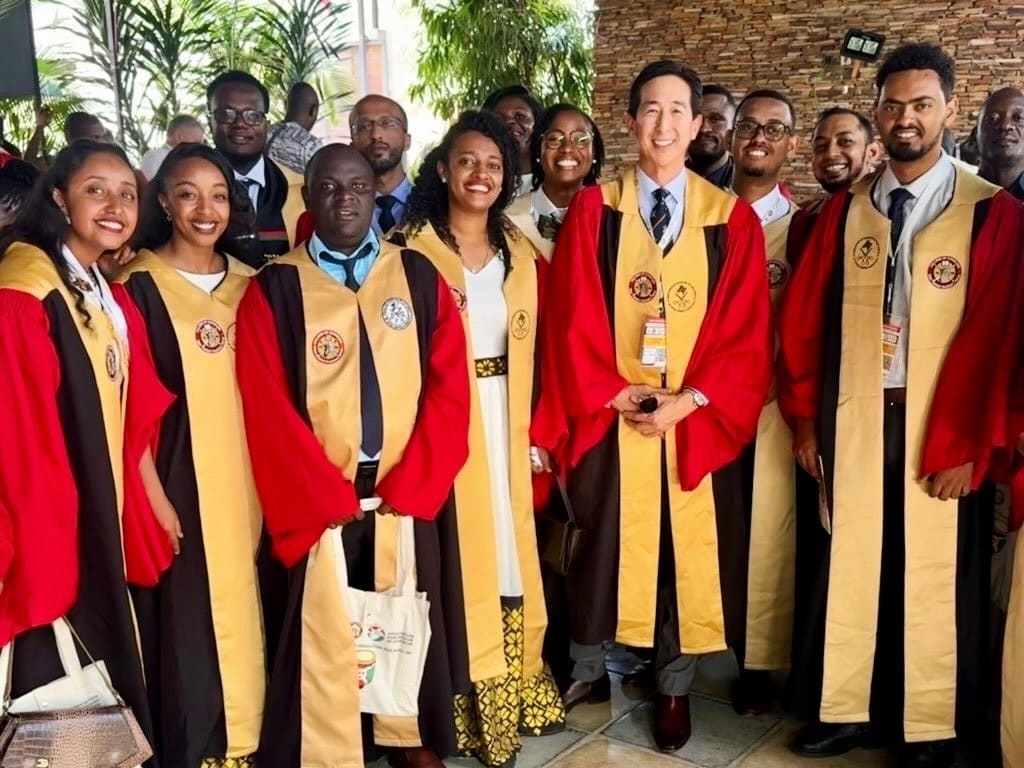
As a founder of the global surgery movement, and one of the first organizations to move away from the fly-in model in the 1990s, ReSurge international has continued to advocate for and practice the “train-the-trainer model” because it presents a more sustainable and scalable way to deliver long-term access to reconstructive surgical care in low and middle-income countries by training a new generation of local reconstructive surgeons.
This curriculum represents a useful resource to supplement the training of more plastic and reconstructive surgeons while taking into account the educational needs of low-resource settings. Training plastic and reconstructive surgeons through surgical education creates a substantial ripple effect. For example, a prior ReSurge study found that just one surgeon in a low-income country can treat 10,000 patients in their career, and if they become a full-time surgeon-trainer, they can transform over 400,000 lives in their lifetime by their succeeding trainees — creating a substantial multiplier effect across generations.