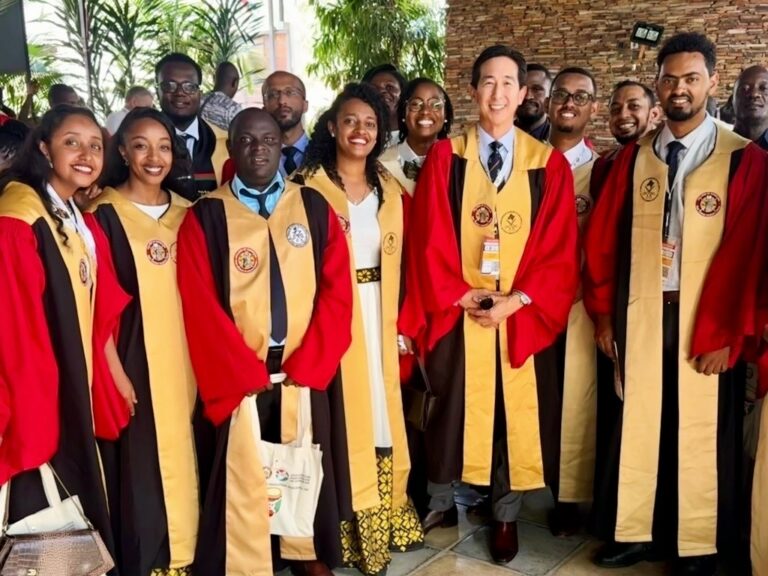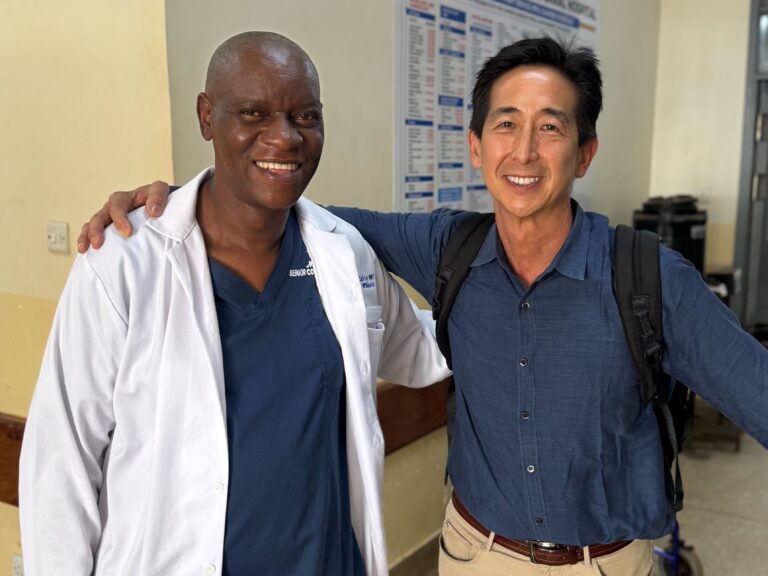
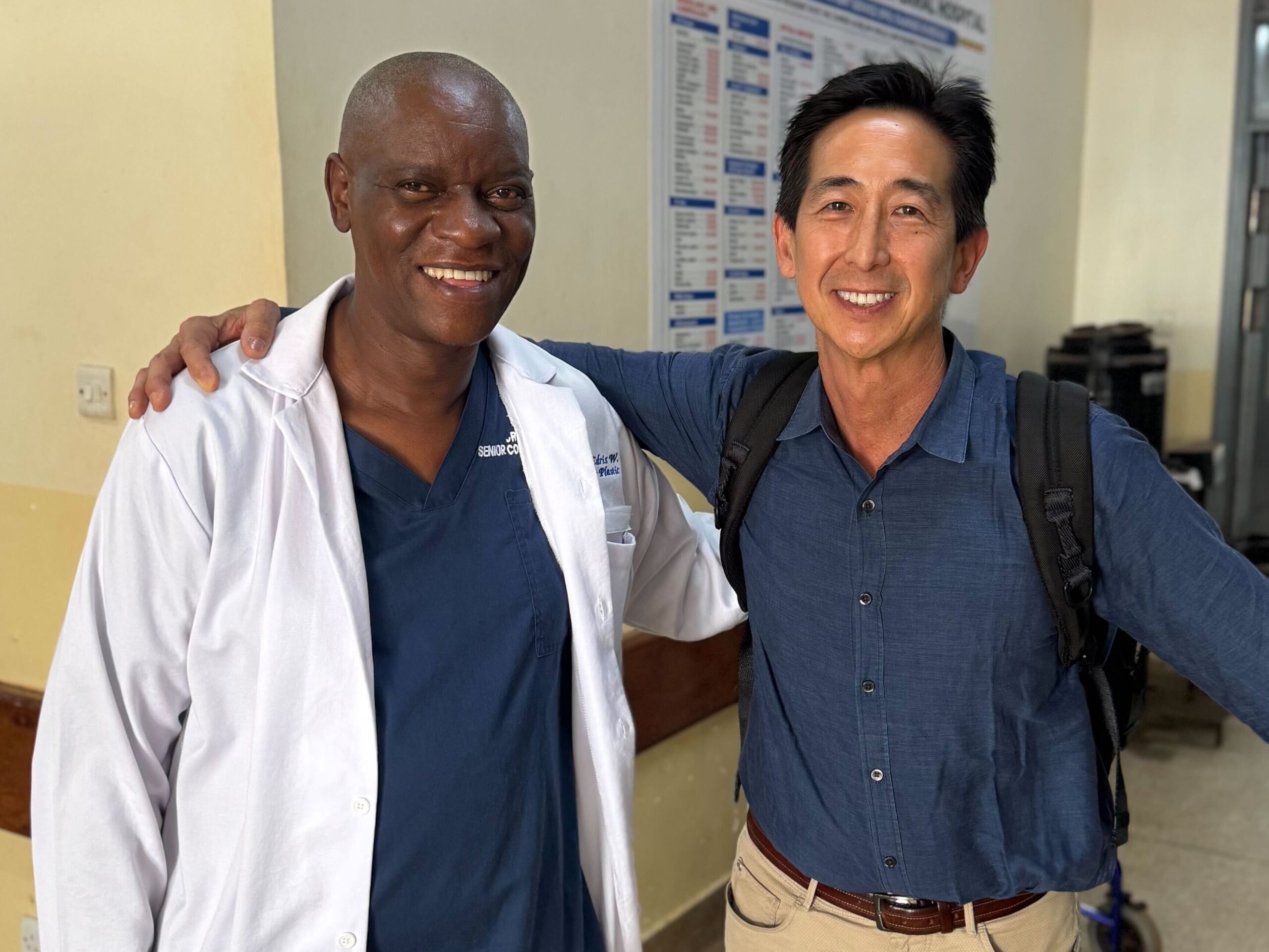
ReSurge Surgical Partner, Dr. Edris Kalanzi, is the first plastic and reconstructive surgeon in all of Uganda, a country of 50 million people, and one of the first Black surgeons to be trained in Italy.
A true pioneer, he has overcome insurmountable challenges to expand access to care globally. As a medical student, he faced racial biases, stereotypes, and global barriers while studying medicine abroad in a foreign language. He successfully obtained the skills and credibility to pioneer reconstructive surgery in Kampala, Uganda, further formalizing it as a government-recognized field and practice within the country.
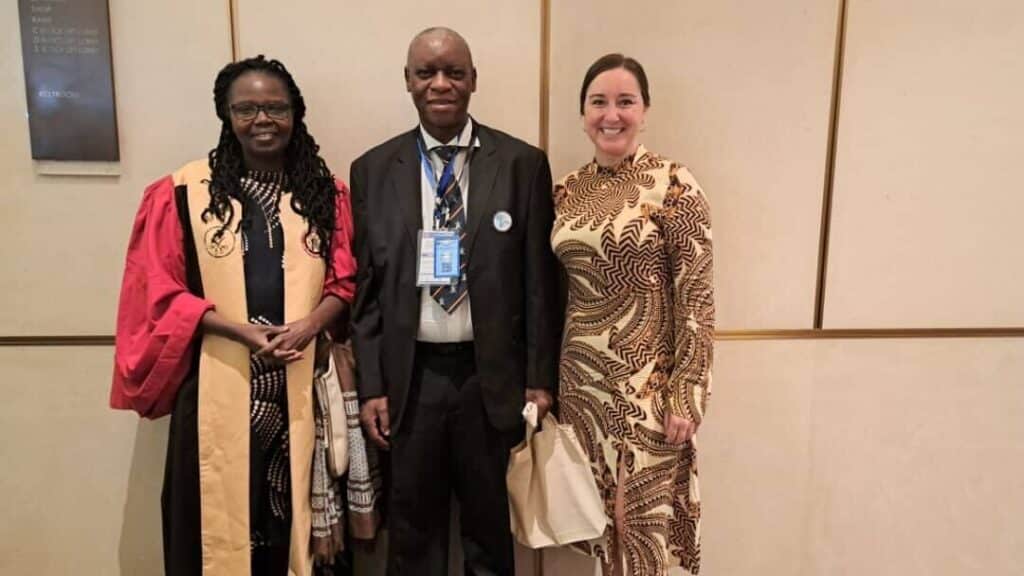
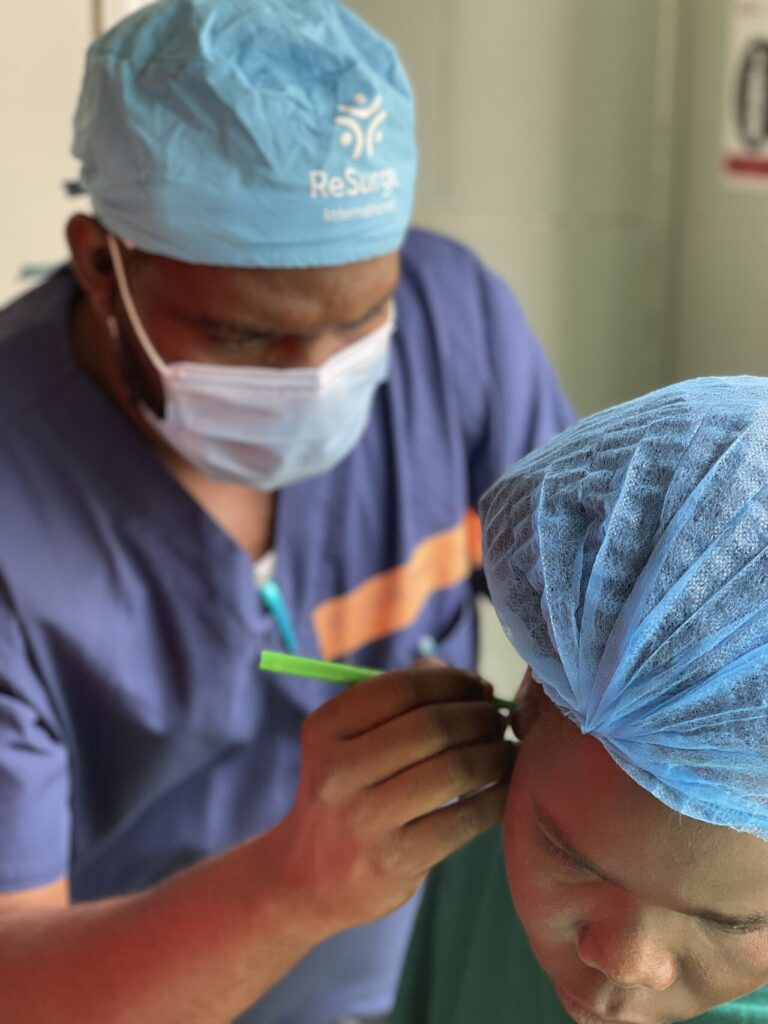
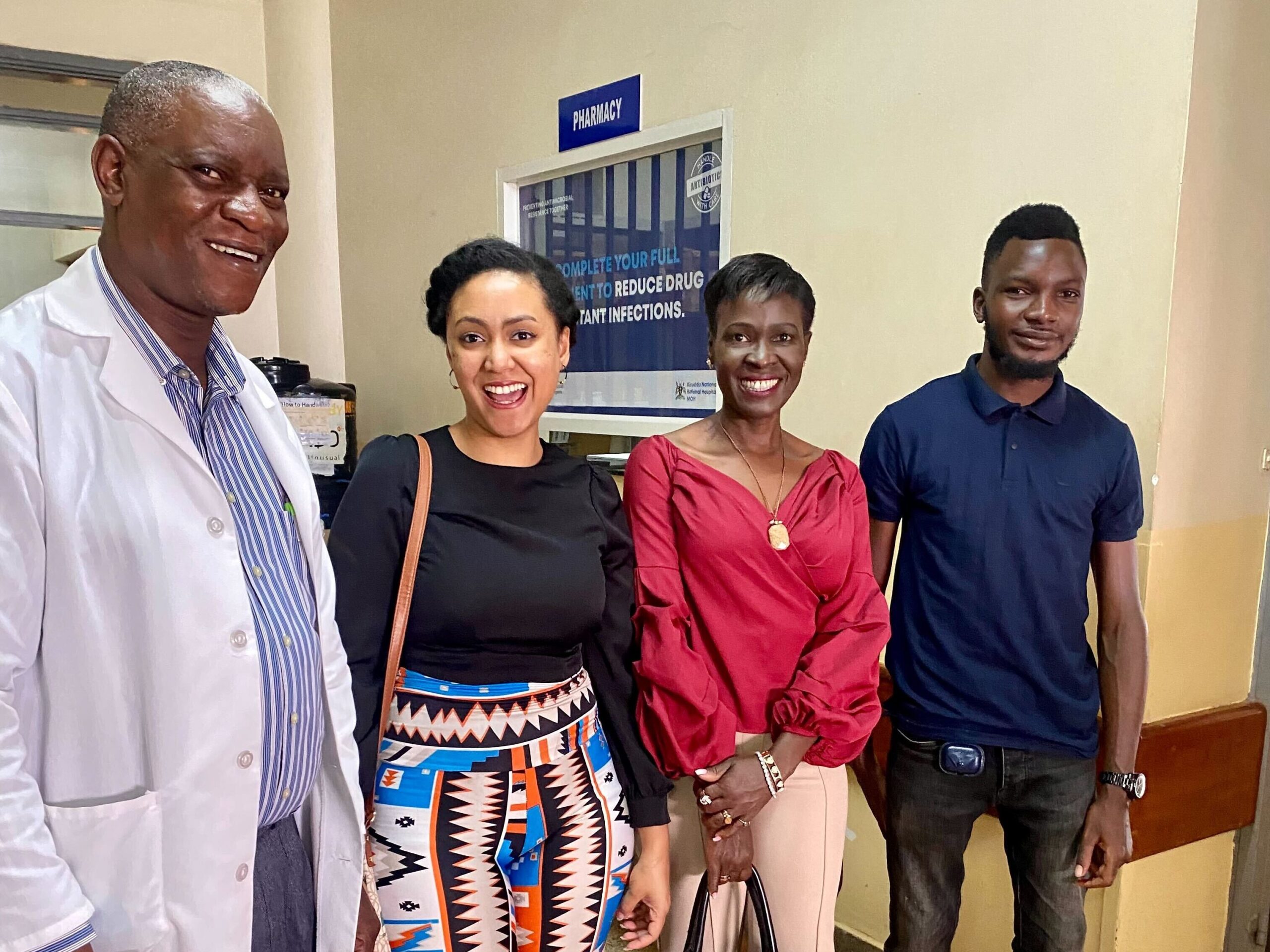
Today, Dr. Kalanzi heads the Plastic and Reconstructive Surgery department at Kiruddu Hospital, the first and largest national burn referral hospital in Uganda. When he started working at the hospital, he was the only trained plastic surgeon. He went on to build the plastic and reconstructive surgery department from the ground up, growing it into a team of more than 25 surgeons. As a result, he has helped expand access to specialty care for the entire country and region, changing lives for patients who were living unnecessarily with treatable disabilities, because no one was trained to take care of them.
We had the honor of interviewing Dr. Kalanzi and learning more about his journey. Read the full interview below.
Tell us a little bit about yourself.
I am Dr. Edris Kalanzi. I have been a plastic and reconstructive surgeon for 25 years. I was born in 1967 in Rubaga, Kampala, Uganda. I come from a large family of about 35 children, and my father was a businessman. I was fortunate to study in the capital city and received a Bachelor of Medicine from Makerere University.
What inspired you to pursue a career in plastic and reconstructive surgery?
Before leaving to study in Italy, I worked in the emergency unit at Mulago Hospital for one year. We received so many burn and trauma patients. But no one was caring for them. Due to the need, I realized my role would be better leveraged in plastic and reconstructive surgery and discovered scholarships available that would enable me to pursue a career in the field.
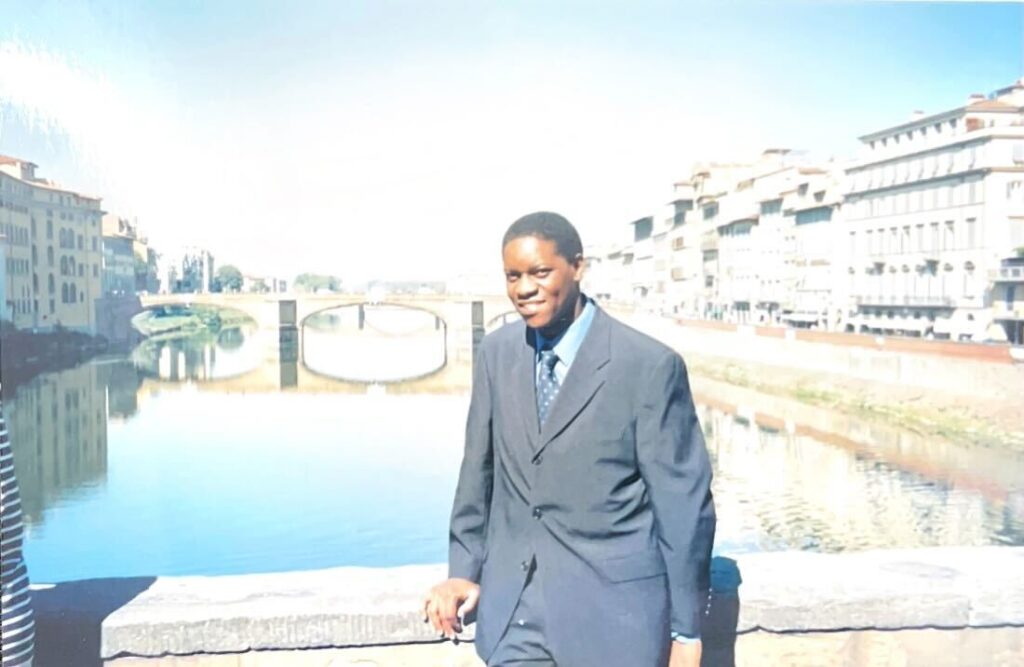
I earned a scholarship to study in Italy. I studied there for six years at the University of Milan. While I was there, I met a professor who had completed his visiting year in Northern Uganda. Given my desire to go back to Uganda and care for patients locally, he suggested I study at the University of Pavia instead – so I continued my studies there.
What was your experience training to become a surgeon?
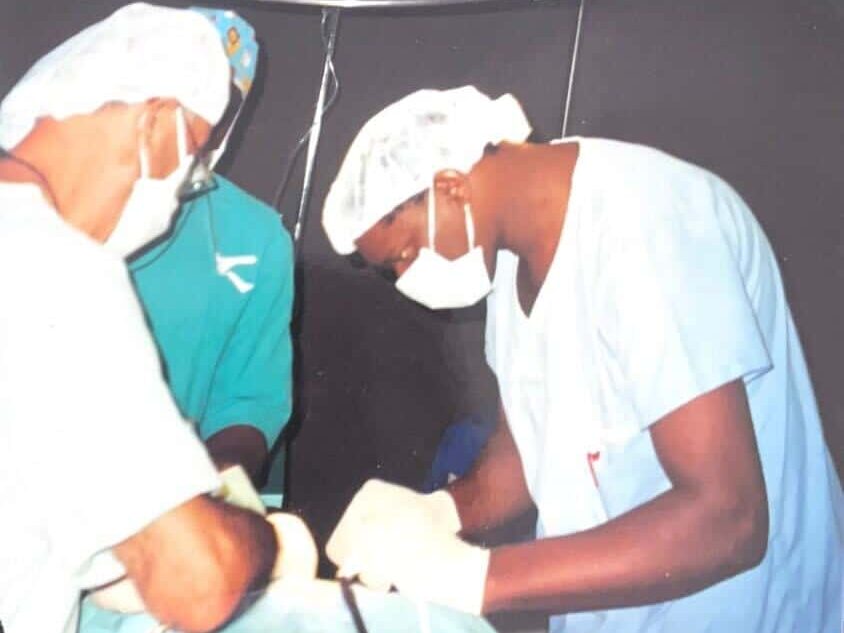
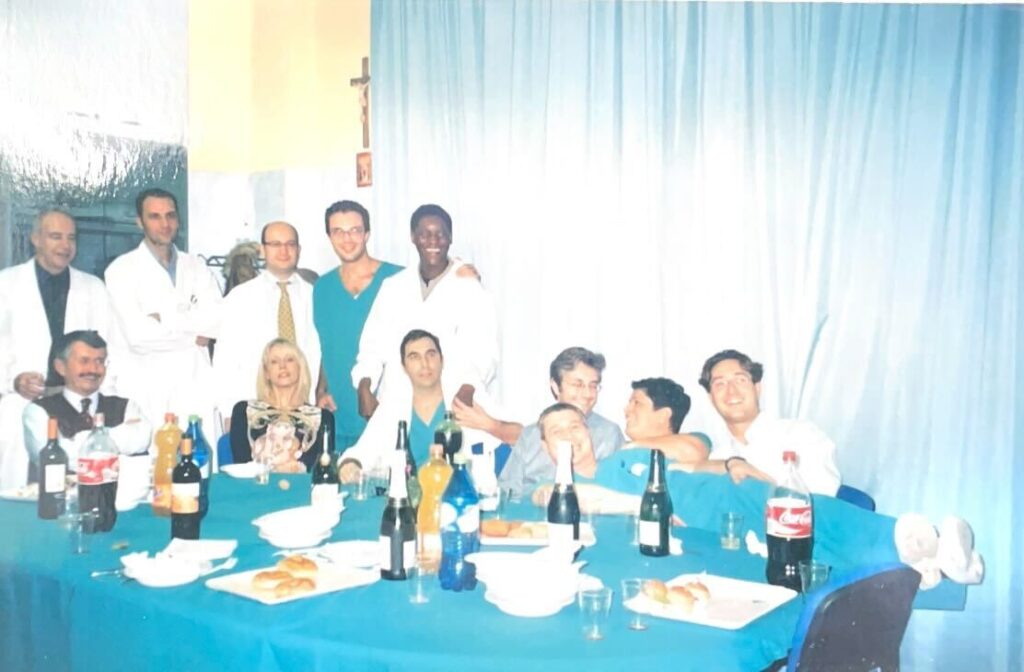
It was tough. I was the first Black surgeon to be trained in Italy. At the time, they did not understand the relevance of practicing plastic and reconstructive surgery in Africa. It was challenging to convince people that it would make sense for me to care for patients in Kampala. For example, they assumed I would be working on cosmetics, but I had to explain to them the need for reconstruction since we have a lot of cases related to trauma, burns, cleft lip, and malformations. Luckily, Interplast Italy —an organization that grew out of the original Interplast, now ReSurge International— had a program to come to Zambia to treat patients. During my training, I was able to go to Zambia to care for patients in need. This was a remarkable moment, where I had the opportunity to work in a context similar to my home country, where I aspired to return and care for patients locally.
What were some of the challenges you had to overcome?
When I was in Milan, I dealt with several people-related challenges due to racism. For example, while sitting on the bus or taking the train, people would intentionally seat themselves separately from me or leave the compartment altogether.
They would chant phrases like “You African go back home” or ask questions like “So you’ve come here to train, when are you going back?” They would always make me feel unwanted. Then I met a professor who had completed his visiting year in Northern Uganda. Given my desire to go back to Uganda and care for patients locally, he suggested I study at the University of Pavia instead. When I moved my studies there, people were much friendlier to me because they had been on global missions and had been exposed to life outside Italy.

What motivated you to return and practice locally in Uganda?
Plastic surgery did not even exist by the time I left. There was no one; I knew I had to bring it to the country.
How did you become involved with Kiruddu Hospital and ReSurge International?
When I finished my training and returned to Uganda in 2003, I resumed work at Mulago. At the time, there was a small unit managed by Dr. Kijambo. ReSurge Surgical Outreach Partner, Dr. Rose Alenyo, had just graduated. Together, we formed a surgical unit.
Then, many people did not know what reconstructive surgery was. It was my role to show them what it could do. Gradually, they started giving us more cases – as we fostered awareness around what plastic and reconstructive surgery was, what it treats, and what surgical outcomes look like. As a result, they convinced the Ministry of Health to spread the word to other hospitals of how life-changing the value was to the patients we treated.
The government soon enabled us to organize outreach camps with different hospitals across the country in regions, including Gulu, Lira, Masaaka, Hoima, Fort Portal, and Kabale. That way, we could care for patients who could not afford to come to Kampala. As a result, Mulago Hospital became a training center for surgeons across the country, and soon the region showed interest in the field, which quickly spread.
How is it now?
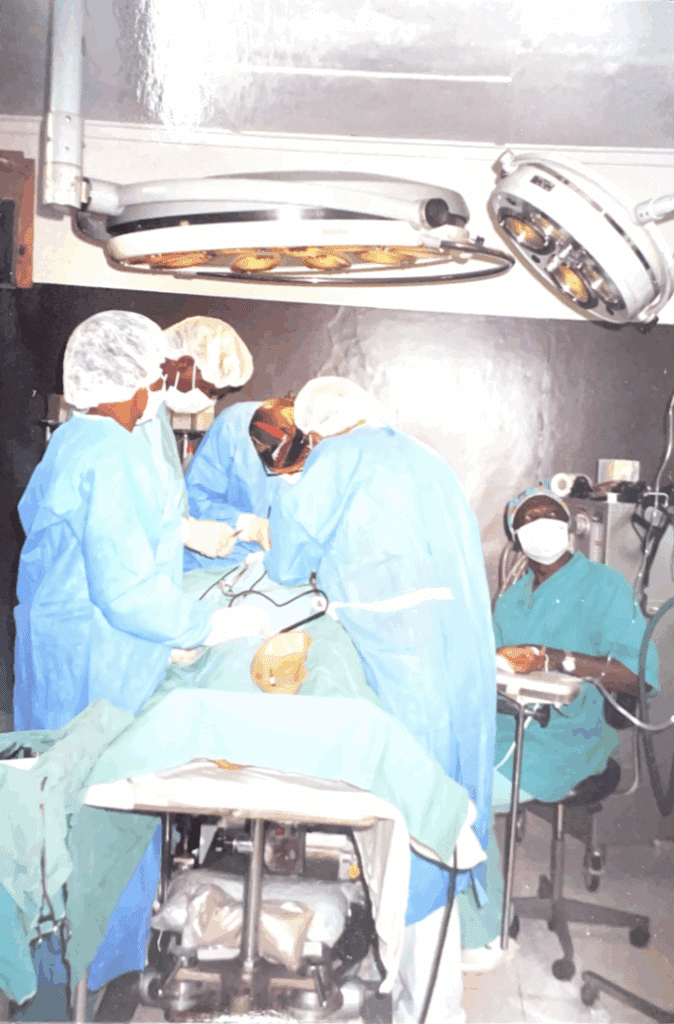
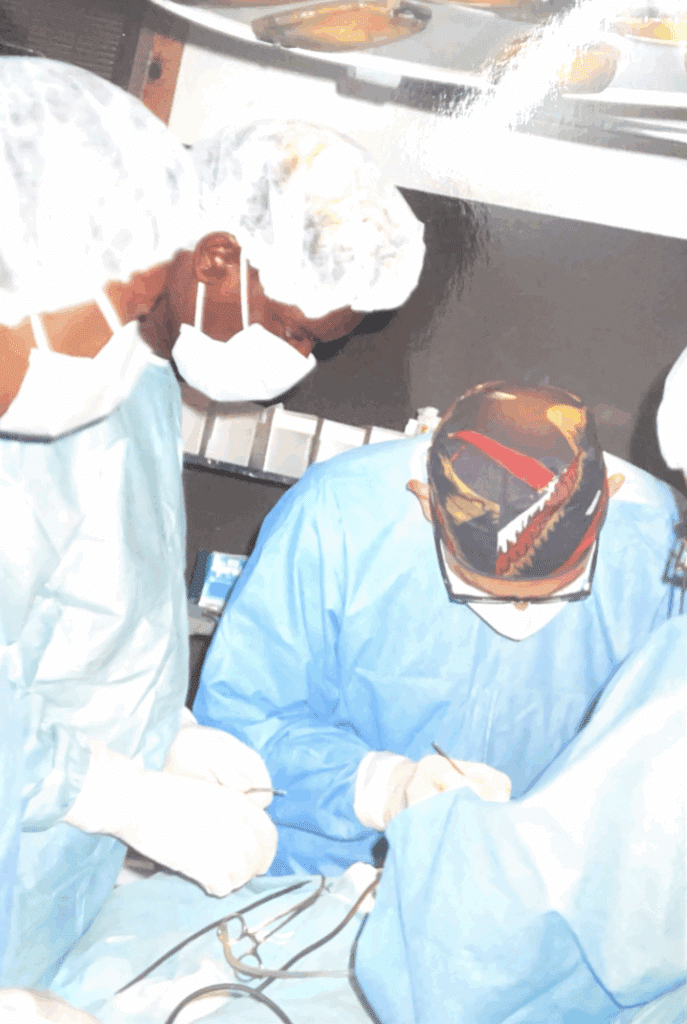
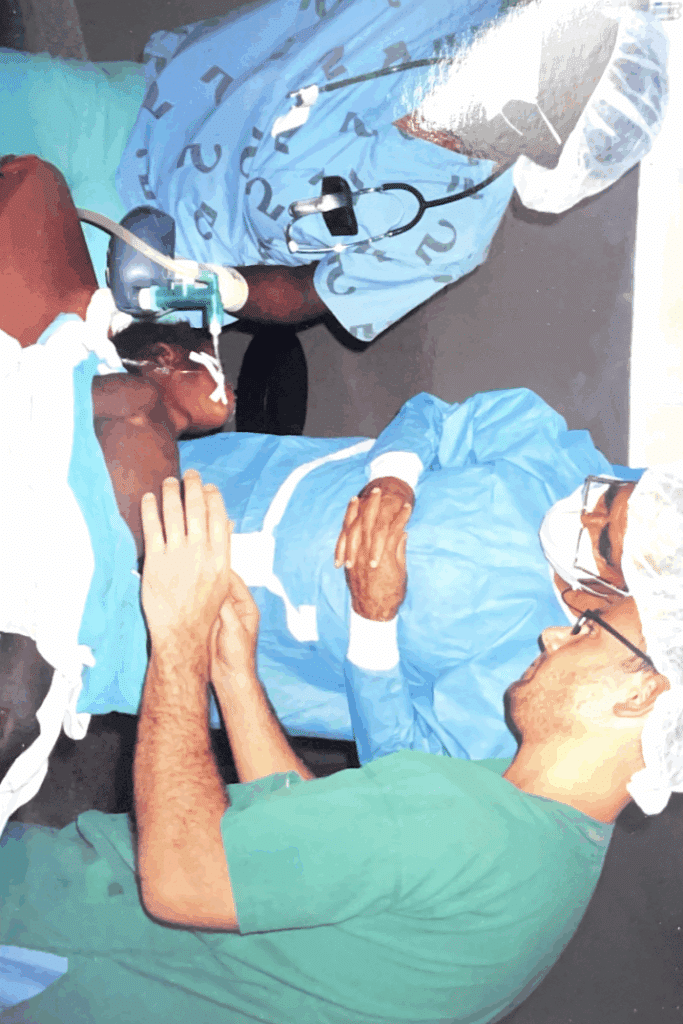
Now, we have an entire plastic and reconstructive surgery department and residency training program. Then I was the only one trained in the specialty; now we have 25 plastic surgeons, and it’s a recognized specialty. Before that, even the public service sector did not have positions. Now, it’s a recognized field with available positions, a burns unit, and a plastics department.

What are some of the challenges regarding access to reconstructive surgery in Uganda?
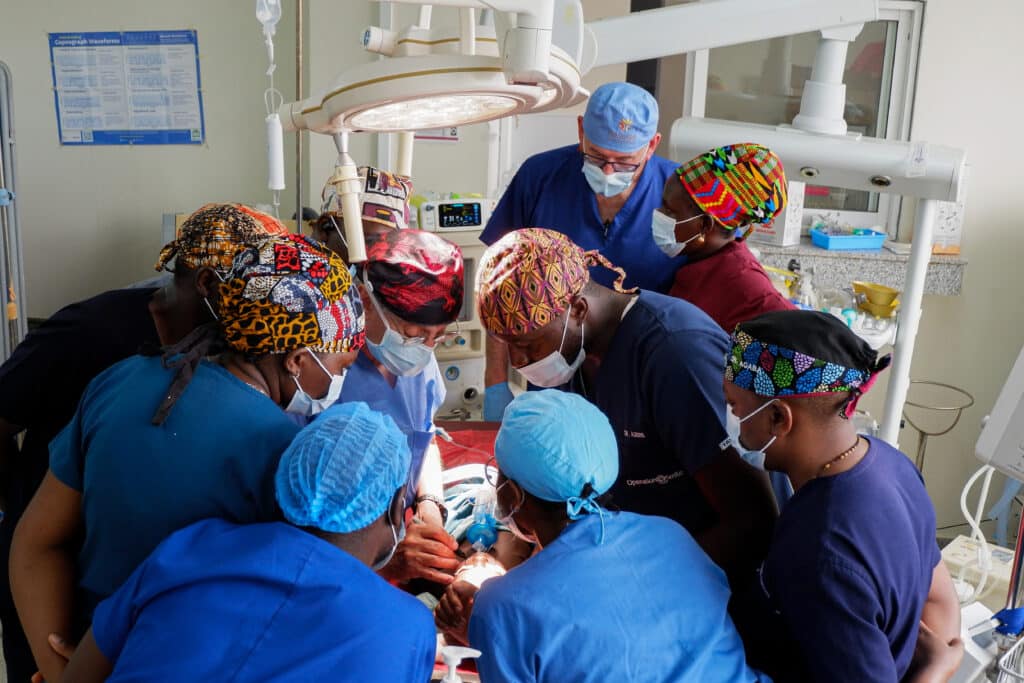
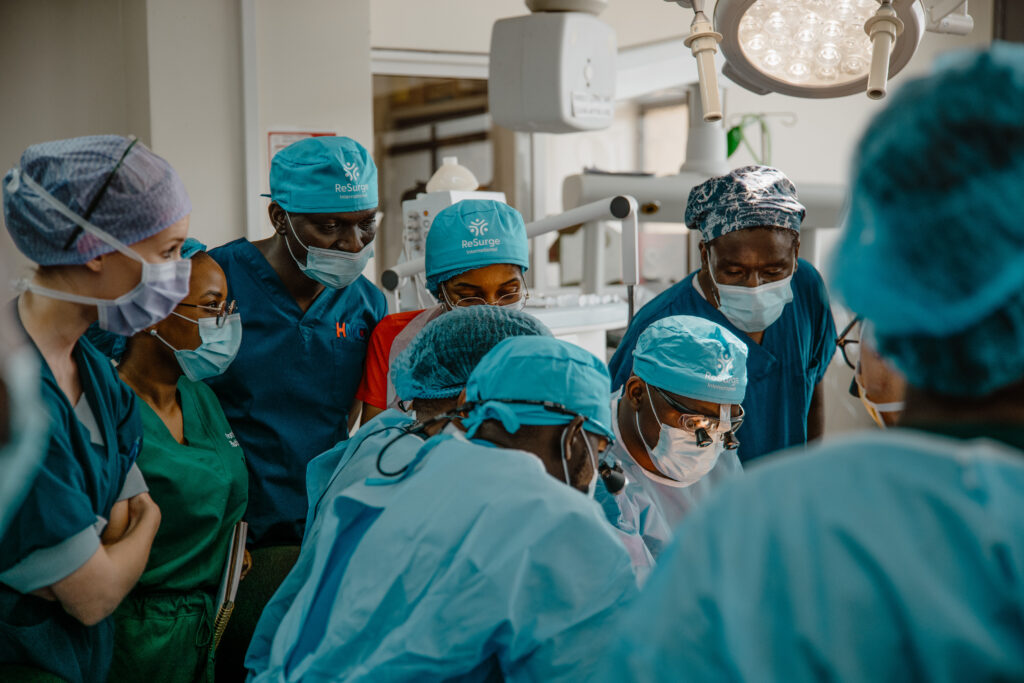
Since we are the only referral hospital, we get severe burns from all over the country. The space we work with is not enough, the staff is not enough, and the equipment is not enough. For example, we lack an ICU and a proper recovery room for post-surgery. We also want to take it a step further by having a skin bank.

What inspires you to continue building access to surgical care?
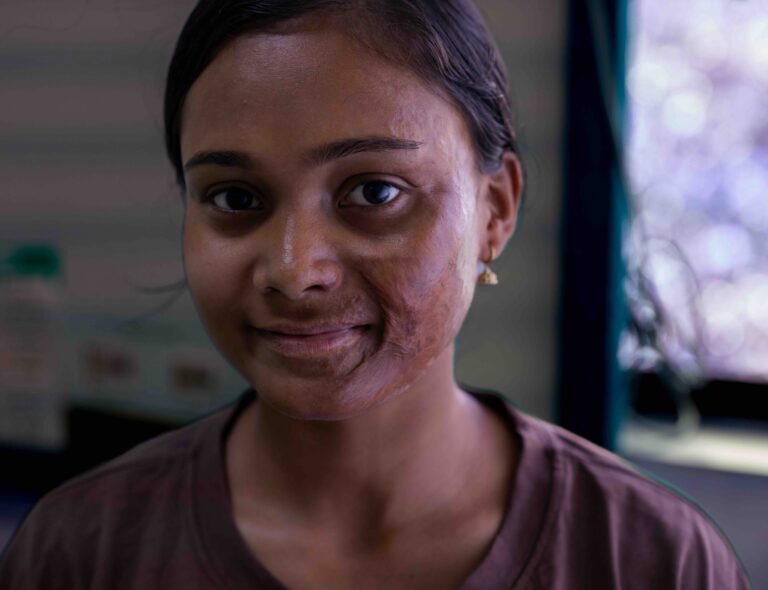
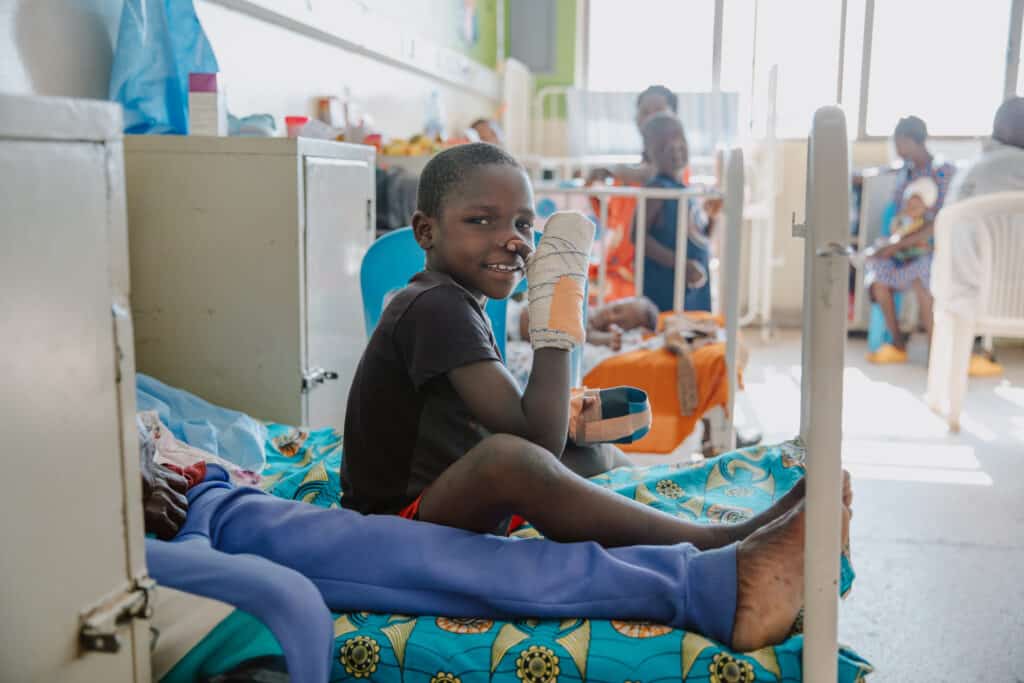
The patients I work with. I have had many encounters with parents of cleft lip and palate – mothers whose babies had been abandoned by the fathers. After reconstruction, families can reconcile. Several patients have lost function and are disfigured when we receive them. The chance to reconstruct them back to a sense of normalcy and good health is something that inspires me.


What is your hope for the future of reconstructive surgery in Uganda?
I hope that we have the capacity to do every sort of operation, especially microsurgery, hand surgery, and replicate it in other regions of the country.
Support Dr. Kalanzi’s work today. Your donation will help care for patients and support the local surgical ecosystem in Uganda, empowering surgeons to care for patients who need it most.