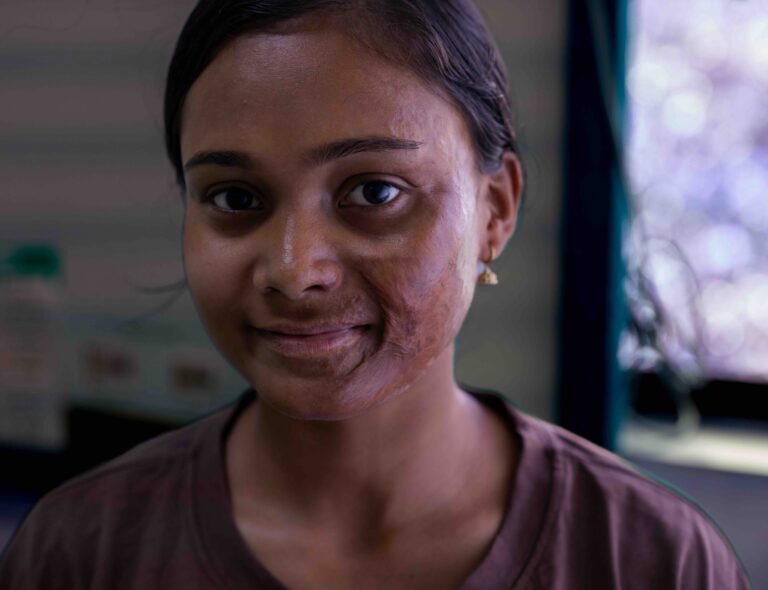
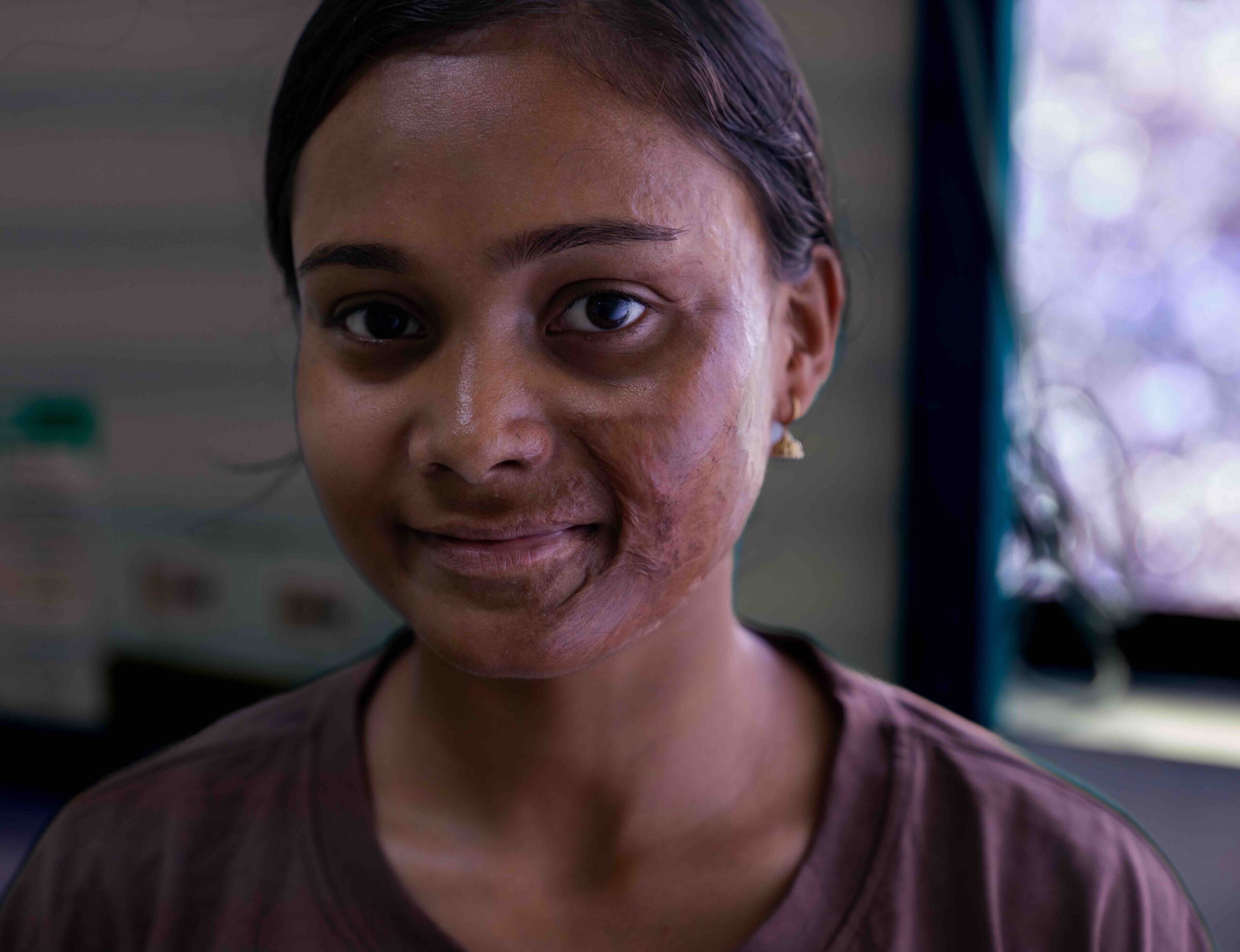
Each year, more than 11 million people worldwide suffer from burn injuries, with over 70% of injuries occurring in low and middle-income countries. Burns don’t just cause severe physical harm. Rather, they can lead to lifelong disability, financial hardship, and profound psychological and social challenges that impact a patient’s sense of self and belonging in their community. Despite the prevalence and long-lasting effects of burn injuries, high-quality research to guide burn care remains limited, particularly in resource-constrained settings.
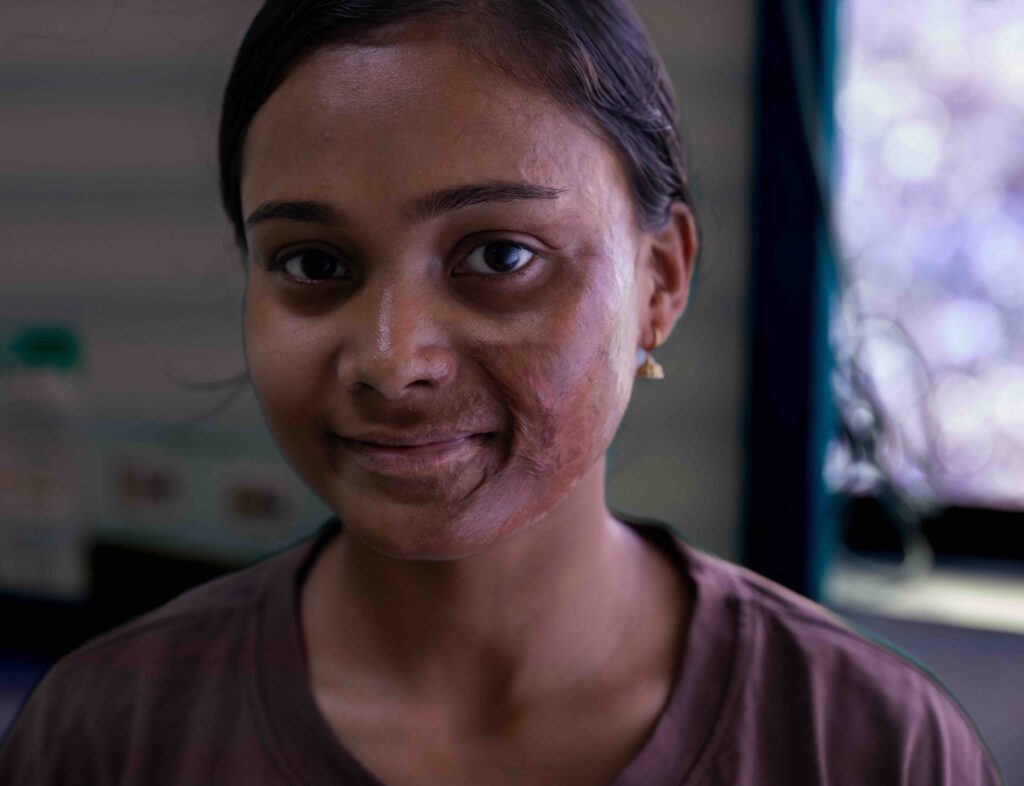
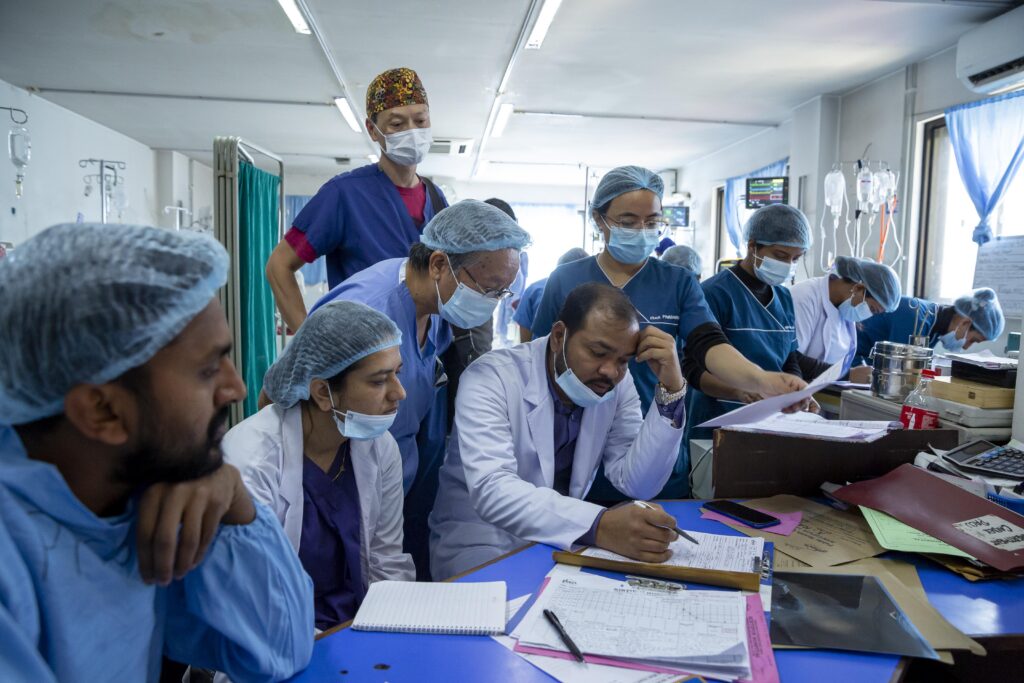
This is why a new study—published in The Lancet Global Health and supported by ReSurge International staff and partners—marks an important turning point. The study uses the James Lind Alliance (JLA) methodology, a transparent, multi-stakeholder approach that unites patients, clinicians, and caregivers to jointly identify and prioritize unanswered but high-impact questions in an area of interest. This evidence-based, inclusive process allowed physicians, researchers, and burn survivors across 88 countries to jointly determine the Top Ten Global Research Priorities in Burn Care.

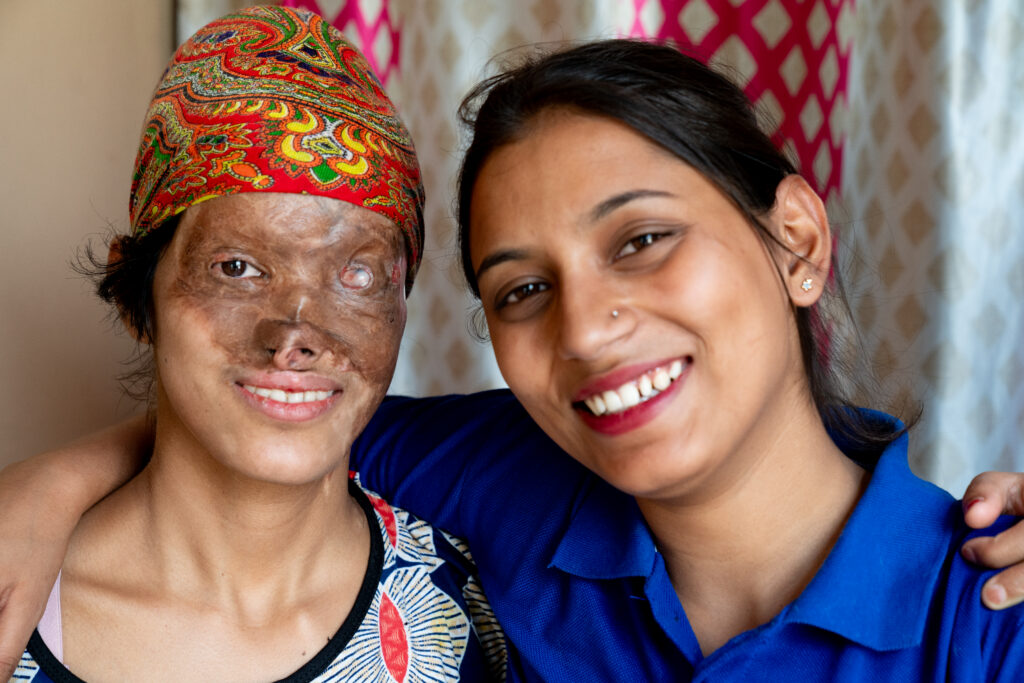

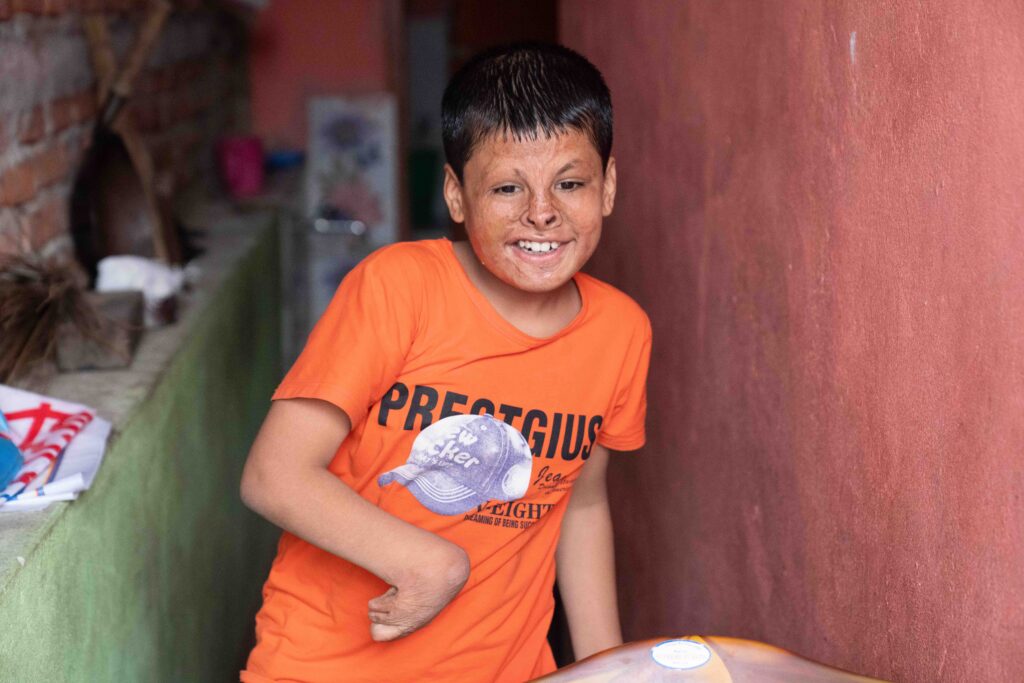
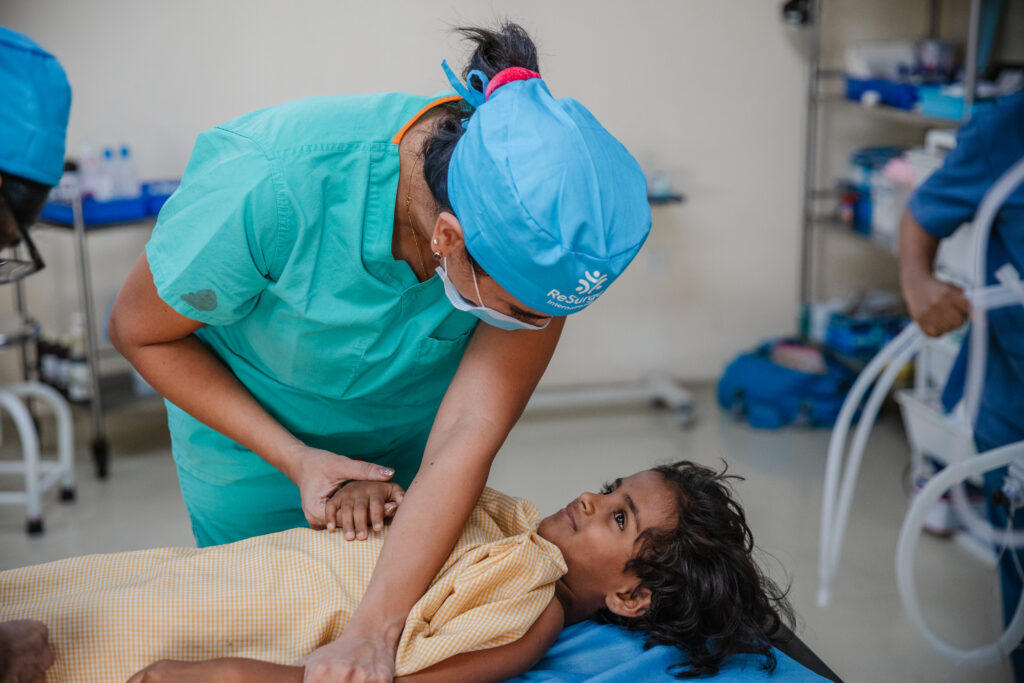
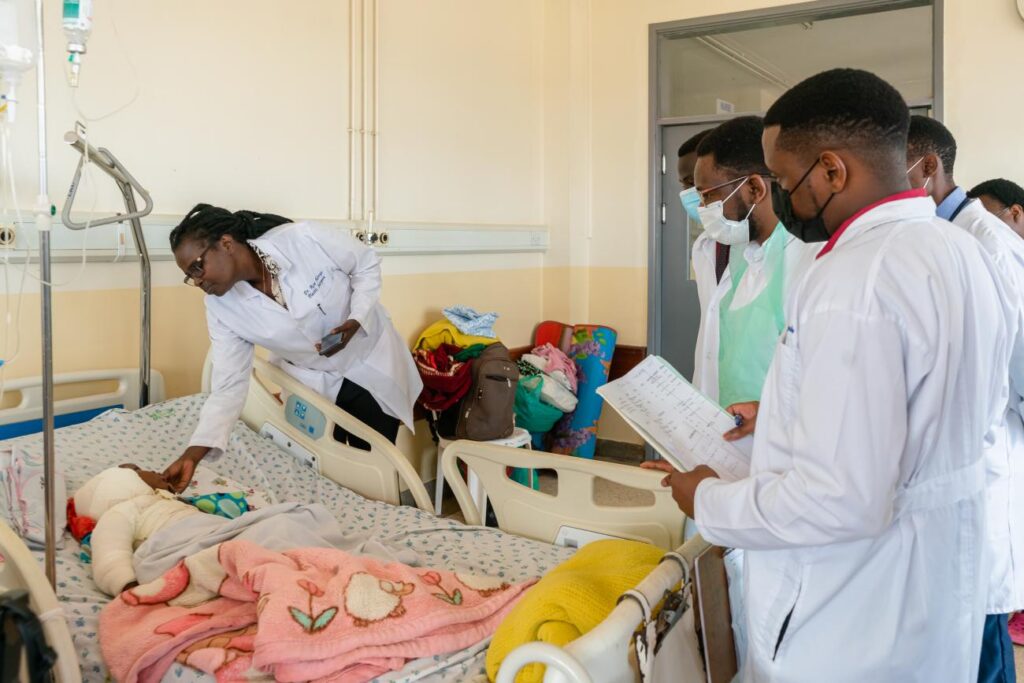
This two-year effort gathered input from over 2,200 participants through multilingual surveys, in-depth interviews, and a final international workshop. The collaborative nature of the project emphasizes inclusion of both patient and provider voices. It further succeeded in emphasizing not only clinical gaps and next steps for bettering burn care treatment, but also the lived realities of those most affected worldwide.
Top Urgent Questions in Burn Care
ReSurge International was honored to contribute to this unprecedented collaboration, which represents the most globally inclusive JLA exercise to date. The final list of ten priorities agreed upon by the thousands of participants highlights urgent unanswered questions in both clinical and psychosocial domains of burn care.
- What are the best acute treatments in early burns management for improving patient outcomes and for reducing and treating complications?
- What are the best ways to identify, measure, and treat the psychological impact of burn injuries and treatments for survivors and carers?
- What are the best ways to prevent, assess, and treat burn scars and their complications (e.g., contractures)?
- What are the best ways to understand and reduce pain and anxiety from burn injuries and treatments, including during burn dressing changes, to improve care and support for survivors and carers?
- How can the stigma of burn scars be better understood and reduced in different cultural, ethnic, and social settings?
- What are the best ways to improve the education and training of health-care professionals, and all those involved in burns care, to improve treatments and outcomes?
- What are the best and most cost-effective burn wound dressings and treatments to improve patient experiences, wound healing, and outcomes, and reduce complications?
- What are the best ways to provide effective burn treatment and support survivors and carers in resource-limited settings?
- What are the most cost-effective burn treatments that improve patient outcomes (e.g., in low-resource settings where financial cost is a barrier to treatment)?
- After initial treatment and rehabilitation, what are the best long-term treatments or types of support for improved outcomes and quality of life in survivors and carers?
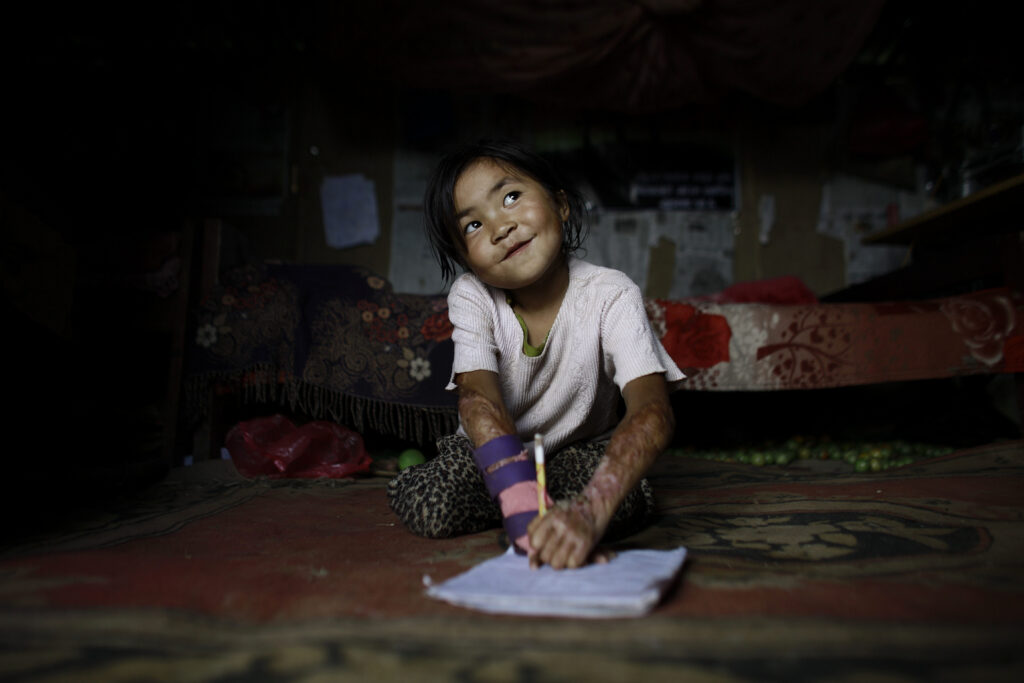
These priorities not only reflect the most immediate needs of survivors and clinicians but also provide a roadmap for funders, researchers, and policymakers committed to advancing equity in burn care.
Why It Matters
Burn care has historically been underfunded and under-researched compared to other areas of global health. The consequences are stark: mortality rates are up to ten times higher in LMICs, and survivors often face devastating barriers to reintegration into daily life that impact their livelihood, sense of identity, and place within their communities.
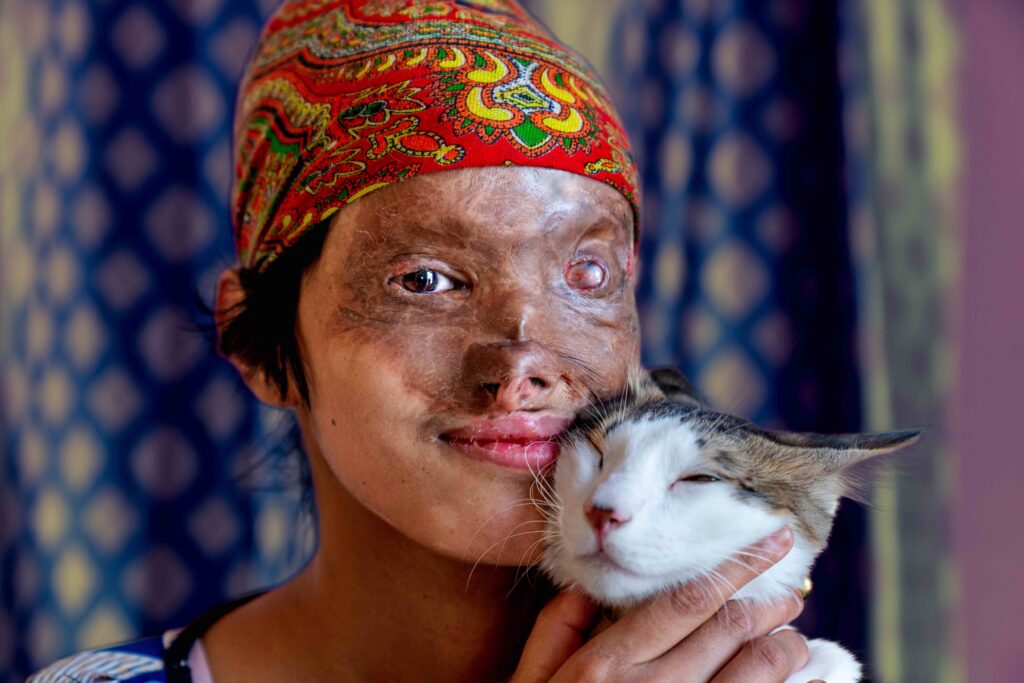
By establishing a clear, stakeholder-driven research agenda, this project ensures that future studies will address the challenges that matter most, whether it’s reducing pain during dressing changes, finding affordable treatments, or dismantling stigma around scars.
For organizations like ReSurge, which work to expand access to reconstructive surgery and burn care worldwide, these findings reinforce the urgent need for evidence-based solutions that are scalable and accessible in resource-limited settings.
Looking Ahead
While an important step, the publication of these priorities is only the beginning. Now comes the crucial task of mobilizing funders, researchers, and governments to act on this roadmap. As with previous JLA partnerships in other fields, we anticipate this work will guide investment and innovation for years to come.

ReSurge International remains committed to advancing this agenda—through advocacy, research, and partnerships with local clinicians—to ensure that every burn survivor, no matter where they live, has access to the care they deserve.